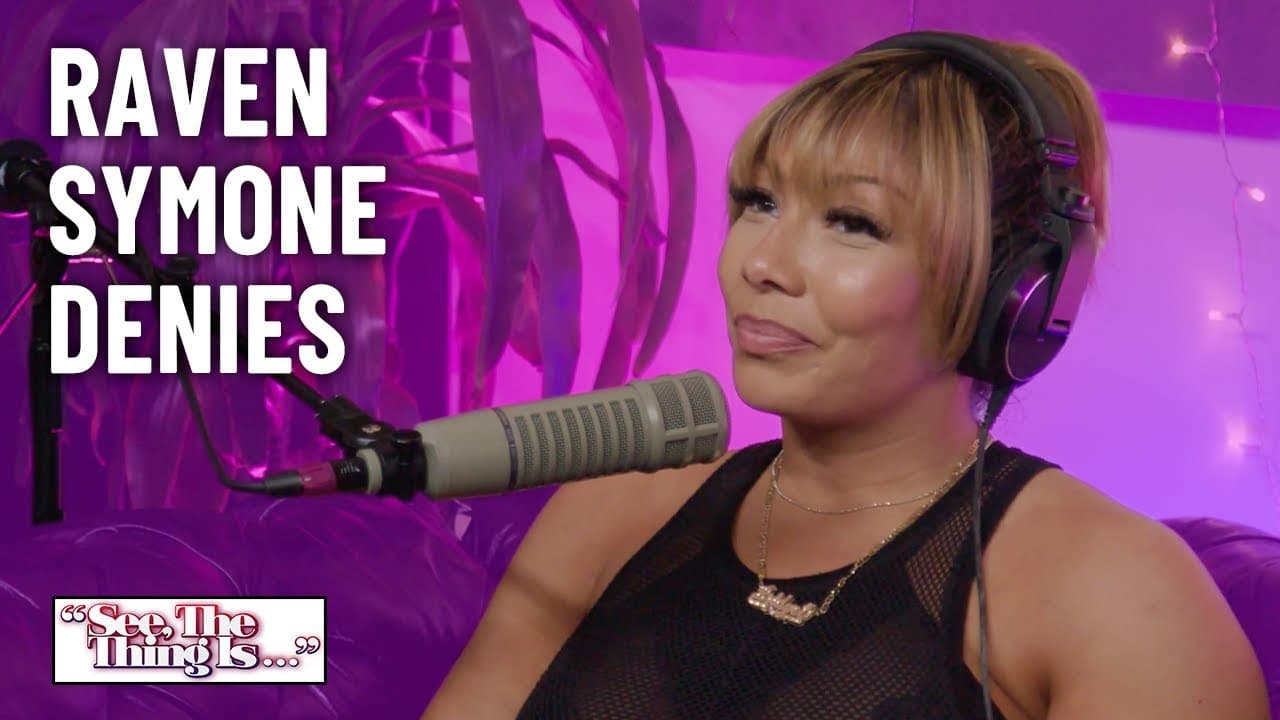
Raven Symone Denies | See, The Thing Is
TL;DR
Raven-Symoné declined Disney's offer to make her character a lesbian in the reboot of That's So Raven.
Transcript
now we're gonna get back to this show and since we're talking about tv yeah we're here now let's talk about it y'all saw it y'all know i want to talk about it because we just talked about a lot of gay [ __ ] already in this episode so let's just get into it with raven um is so raven but you know what's crazy i asked you that because here i go we we... Read More
Key Insights
- 🔉 Raven-Symoné's rejection of the lesbian storyline brings attention to the complexities of representation in entertainment and media.
- 🤨 The offer from Disney signals a willingness to embrace LGBTQ+ narratives, yet raises questions about authenticity and motivation behind such decisions.
- ⛔ The conversation reflects frustrations within the LGBTQ+ community about being tokenized in narratives, which can limit nuanced portrayals.
- 🖤 Historical absence of lesbian characters on television is evident, creating a vacuum in representation for black women.
- 🙈 The potential impact on younger audiences by simply seeing authentic LGBTQ+ identities depicted in familiar characters was emphasized.
- 🧑🏭 Discussions of personal identity and representation reveal how actors navigate public perceptions in relation to their work.
- 👾 The importance of creating safe spaces within media for diverse stories was highlighted, indicating a need for thoughtful representation.
Install to Summarize YouTube Videos and Get Transcripts
Explore YouTube Video Summarizer or Get YouTube Transcript Extractor
Questions & Answers
Q: Why did Raven-Symoné decline Disney's offer for her character to be a lesbian?
Raven-Symoné explained that she declined the opportunity offered by Disney because she may not have wanted to be characterized solely by her sexuality in the show. Despite many advocating for representation, Raven sought to avoid being pigeonholed into the role of a token lesbian character.
Q: What does the discussion reveal about representation in media?
The conversation illustrates the ongoing struggle for authentic representation in media, especially for marginalized identities. It explores how individuals may feel pressured to portray specific identities and how such roles may not reflect their true experiences, potentially detracting from their authenticity.
Q: How does this situation reflect broader cultural trends in media representation?
This situation highlights broader cultural trends regarding representation, particularly the existence of a 'gay agenda' in media that tends to focus on male characters. Women-loving-women are often depicted as bisexuals rather than having dedicated lesbian characters, showing a significant gap in visibility and nuanced storytelling.
Q: What impact could have Raven's decision had on younger audiences?
If Raven-Symoné had accepted the offer to portray a lesbian character, it could have provided a landmark representation for younger audiences, especially for black LGBTQ+ youth. It would have enabled them to see themselves reflected in a character they admired, potentially fostering greater acceptance of diverse identities.
Q: Why do some people choose not to engage in such representation?
Individuals like Raven-Symoné may choose to avoid such roles due to their complexities and the weight of representing an entire community. They might wish to navigate their identity outside the confines of a scripted character, reflecting broader struggles within the LGBTQ+ community regarding visibility and self-representation.
Q: What does the conversation say about historical context related to black LGBTQ+ representation?
The discussion brings to light the historical underrepresentation of black LGBTQ+ individuals in media, especially in the context of mainstream shows. The lack of dedicated lesbian characters has perpetuated stereotypes and left out critical experiences from the narrative, which could contribute to misunderstanding and stigma.
Q: How does Raven-Symoné’s past statements inform her current choices?
Raven-Symoné's history of controversial comments regarding race and identity has influenced perceptions of her. These past statements complicate interpretations of her decision to reject the lesbian storyline. It raises questions about her comfort with and commitment to authentic representation in her work.
Q: What are the implications of Disney making such an offer to Raven?
Disney's offer to Raven-Symoné reflects a shift in corporate attitudes toward inclusion and representation in children's media. However, it also shows the complexities involved in these decisions, as it raises questions about whether offers are genuinely supportive or merely a means to meet diversity quotas in response to societal demands.
Summary & Key Takeaways
-
Raven-Symoné disclosed during a podcast that Disney offered her the chance to make her character in Raven's Home a lesbian, which she declined.
-
This conversation sparked a debate on the importance of representation in media, discussing the challenges of being labeled as a token character.
-
The discussion also highlighted the scarcity of authentic lesbian representation on television, particularly for black women, and the implications of Raven's decision.
Read in Other Languages (beta)
Share This Summary 📚
Summarize YouTube Videos and Get Video Transcripts with 1-Click
Try YouTube Summary with ChatGPT & Claude or YouTube Transcript Generator
Explore More Summaries from Joe Budden TV 📚

Summarize YouTube Videos and Get Video Transcripts with 1-Click
Try YouTube Summary with ChatGPT & Claude or YouTube Transcript Generator