Como solucioner o conflito Israel-Palestina?
TL;DR
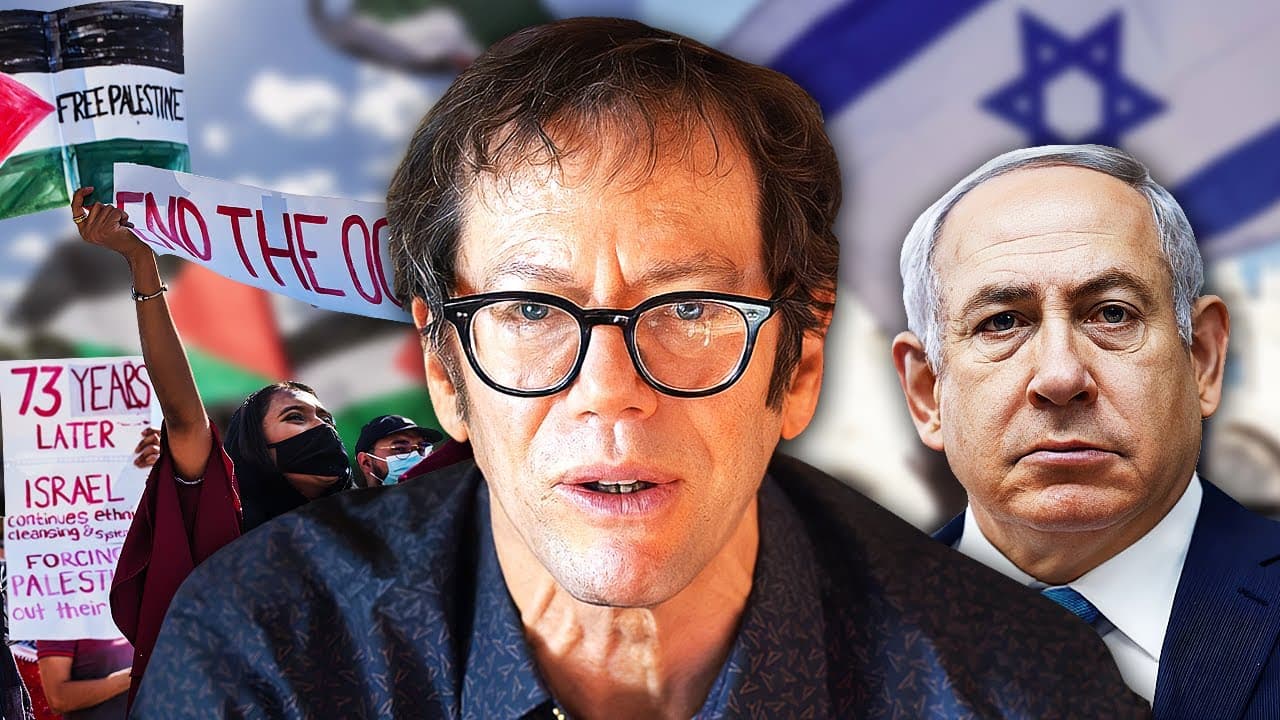
A resolução do conflito Israel-Palestina requer um entendimento profundo das aspirações e sofrimentos de ambos os povos. Robert Greene defende uma solução de dois estados como o único caminho viável, enfatizando a necessidade de diálogo e compreensão para superar a violência e o ódio.
Transcript
Read and summarize the transcript of this video on Glasp Reader (beta).
Key Insights
- The speaker emphasizes the shared heritage between Israelis and Palestinians, highlighting their common Semitic roots and the need for coexistence.
- Despite being raised Jewish, the speaker expresses no strong Zionist inclinations but acknowledges a cultural connection through Hebrew education.
- Past encounters with Palestinians have profoundly affected the speaker, providing personal insights into the Palestinian experience and suffering.
- The speaker discusses the historical context of the Holocaust and its impact on the Jewish need for a homeland, offering empathy for both sides.
- A one-state solution is deemed unrealistic by the speaker, who advocates for a viable two-state solution as the only feasible path forward.
- Human emotions and short-term thinking are seen as major obstacles to resolving the conflict, necessitating rational and long-term solutions.
- The speaker criticizes current Israeli leadership for exacerbating tensions and stresses the importance of finding a peaceful resolution.
- The speaker highlights the educational and peace-loving nature of many Palestinians, suggesting a middle ground could be reached with rational discourse.
Install to Summarize YouTube Videos and Get Transcripts
Explore YouTube Video Summarizer or Get YouTube Transcript Extractor
Questions & Answers
Q: What is Robert Greene's personal connection to the Israel-Palestine conflict?
Robert Greene's connection to the Israel-Palestine conflict stems from his Jewish upbringing and cultural education, which included learning Hebrew. Although not a staunch Zionist, he feels a cultural connection to Israel. His encounters with Palestinians have also given him a personal understanding of their experiences, providing a balanced perspective.
Q: How does Greene view the possibility of a one-state solution?
Greene views a one-state solution as unrealistic in the current context. He believes that the deep-seated emotions and historical grievances between Israelis and Palestinians make coexistence under a single government unfeasible. Instead, he advocates for a viable two-state solution as the only realistic path to peace.
Q: What historical context does Greene provide regarding the Jewish need for a homeland?
Greene provides the historical context of the Holocaust, highlighting the profound impact it had on the Jewish need for a homeland. He recounts personal experiences, such as meeting a concentration camp survivor, which helped him understand the deep-seated desire for a safe and secure Jewish state post-Holocaust.
Q: How does Greene describe his encounters with Palestinians?
Greene describes his encounters with Palestinians as deeply impactful, providing him with personal insights into their suffering and aspirations. He shares stories of meeting a Palestinian woman and reading a book by a young Palestinian, both of which highlighted the personal and collective tragedies faced by Palestinians.
Q: What are the main obstacles to resolving the Israel-Palestine conflict according to Greene?
According to Greene, the main obstacles to resolving the conflict are human emotions, short-term thinking, and current political leadership. He believes these factors hinder rational decision-making and long-term solutions, emphasizing the need for rationality and dialogue to achieve a peaceful resolution.
Q: What solution does Greene advocate for the Israel-Palestine conflict?
Greene advocates for a viable two-state solution as the most realistic and feasible path to resolving the Israel-Palestine conflict. He believes that establishing two separate states for Israelis and Palestinians would address the core issues and help achieve a peaceful coexistence, despite the challenges involved.
Q: How does Greene view the role of current Israeli leadership in the conflict?
Greene criticizes the current Israeli leadership, particularly the prime minister, for exacerbating tensions and worsening the conflict. He believes that the leadership's actions create more resentment and violence, hindering efforts to find a peaceful resolution and prolonging the intractable nature of the issue.
Q: What potential does Greene see for a peaceful resolution to the conflict?
Greene sees potential for a peaceful resolution through rational discourse and understanding. He highlights the educational and peace-loving nature of many Palestinians and Israelis, suggesting that a middle ground could be reached with rational dialogue and a commitment to long-term solutions, despite the current challenges.
Summary & Key Takeaways
-
Robert Greene reflects on his personal connection to the Israel-Palestine conflict, shaped by his Jewish upbringing and encounters with Palestinians. He stresses the shared heritage between the two groups and the need for a peaceful coexistence, advocating for a viable two-state solution.
-
Greene recounts his experiences with Palestinians, which have provided him with a deeper understanding of their suffering and aspirations. He discusses the historical context of the Holocaust and its impact on the Jewish need for a homeland, expressing empathy for both sides.
-
While acknowledging the complexities of the conflict, Greene criticizes current Israeli leadership and emphasizes the importance of rationality and long-term thinking in resolving the issue. He highlights the potential for a peaceful resolution through dialogue and understanding.
Read in Other Languages (beta)
Share This Summary 📚
Summarize YouTube Videos and Get Video Transcripts with 1-Click
Try YouTube Summary with ChatGPT & Claude or YouTube Transcript Generator
Explore More Summaries from Robert Greene 📚

Summarize YouTube Videos and Get Video Transcripts with 1-Click
Try YouTube Summary with ChatGPT & Claude or YouTube Transcript Generator