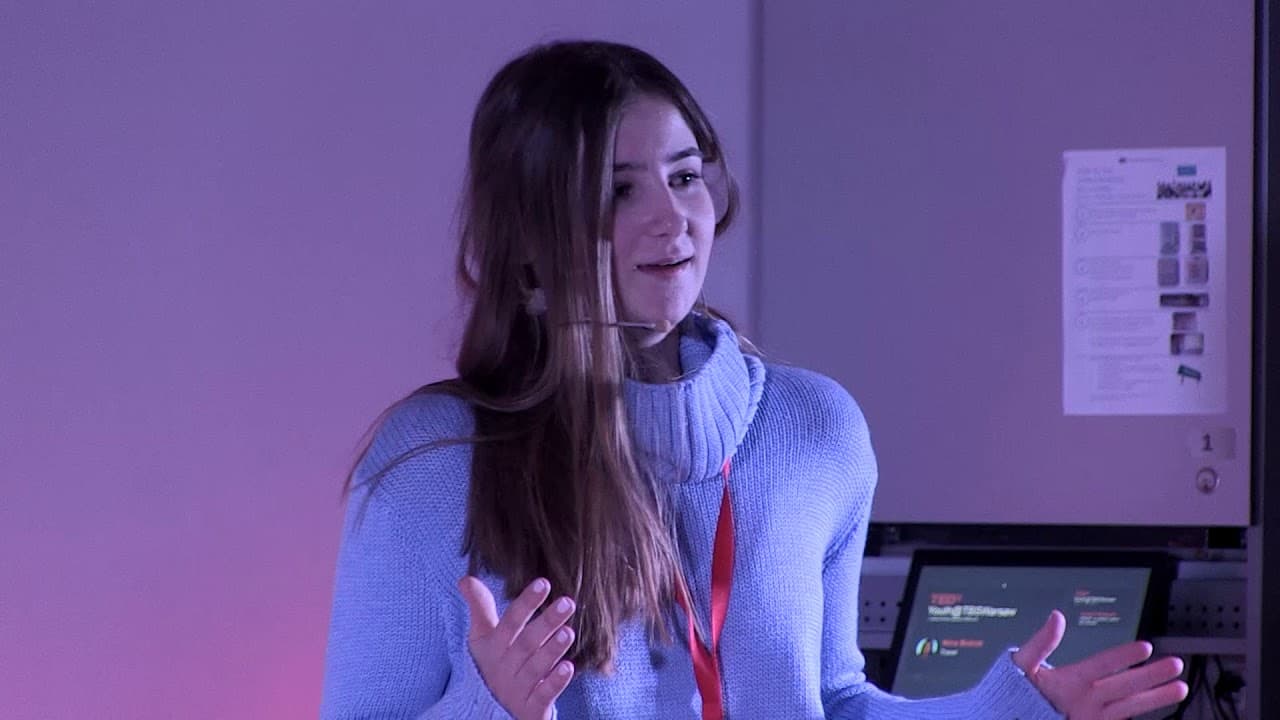
How we should travel | Nina Butruk | TEDxYouth@TBSWarsaw
TL;DR
Travel to connect with people, not just visit attractions.
Transcript
ever since I was a little girl my parents would take me to distant places around the world we would go to places names I can't even pronounce places I didn't know existed I loved our adventures I saw myself as a world citizen whenever we go anywhere I would insist we saw all the tourist attractions I dragged my parents from the them... Read More
Key Insights
- The speaker's early travel experiences were focused on visiting attractions, treating travel like a checklist, which limited deeper cultural understanding.
- An unplanned trip to Japan shifted the speaker's perspective, emphasizing the importance of spontaneity and personal interactions over rigid itineraries.
- The speaker realized that true cultural understanding comes from engaging with local people, not just visiting famous landmarks or reading guidebooks.
- Traveling without a strict plan allowed the speaker to experience authentic interactions and learn about different lifestyles, enriching the travel experience.
- The speaker emphasizes that travel should be about meeting new people and understanding their lives, which adds depth and emotion to the experience.
- The speaker suggests that travel is more meaningful when it includes personal stories, exchanges of opinions, and observing local customs.
- Meeting diverse people during travel acts as a mirror, offering insights into one's own life and broadening personal perspectives.
- The speaker advocates for a travel mindset that values human connections and experiences over merely ticking off tourist attractions.
Install to Summarize YouTube Videos and Get Transcripts
Explore YouTube Video Summarizer or Get YouTube Transcript Extractor
Questions & Answers
Q: What was the speaker's initial approach to travel?
The speaker initially approached travel with a checklist mentality, determined to visit all tourist attractions to ensure a complete experience. This approach involved setting a strict itinerary before each trip, aiming to not miss any significant sights and treating travel as a task-oriented activity.
Q: How did the unplanned trip to Japan change the speaker's perspective on travel?
The unplanned trip to Japan shifted the speaker's perspective by highlighting the value of spontaneity and personal interactions over strict itineraries. The speaker learned that engaging with locals and experiencing their culture firsthand provided a richer, more meaningful travel experience than merely visiting famous attractions.
Q: Why does the speaker believe that meeting people is important during travel?
The speaker believes that meeting people during travel is crucial because it allows for a deeper understanding of the culture and adds emotional depth to the experience. Personal interactions provide insights and stories that can't be found in guidebooks, making the travel experience more enriching and memorable.
Q: What does the speaker mean by saying travel is like a series of postcards without people?
By saying travel is like a series of postcards without people, the speaker means that travel experiences become shallow and superficial when they focus solely on sights and attractions. Without personal interactions, travel lacks the emotional and cultural depth that comes from engaging with the people who inhabit those destinations.
Q: How can travel act as a mirror for self-reflection, according to the speaker?
Travel can act as a mirror for self-reflection by exposing individuals to diverse cultures and lifestyles, prompting them to reconsider their own beliefs and behaviors. Meeting different people allows travelers to see themselves from new perspectives, leading to personal growth and a broader understanding of the world.
Q: What role do emotions play in the speaker's revised travel philosophy?
In the speaker's revised travel philosophy, emotions play a central role by transforming travel from a checklist of attractions to a meaningful journey of personal connections. Emotions, derived from interactions with locals, enrich the travel experience, providing insights and memories that resonate more deeply than mere sightseeing.
Q: Why does the speaker no longer create detailed itineraries for trips?
The speaker no longer creates detailed itineraries because they believe that spontaneity leads to more authentic and enriching travel experiences. By allowing for unplanned interactions and discoveries, the speaker finds greater joy and cultural understanding than when adhering to a rigid schedule focused solely on tourist attractions.
Q: What is the speaker's main message about how we should travel?
The speaker's main message is that travel should focus on connecting with people and understanding their cultures, rather than just visiting attractions. By prioritizing personal interactions and being open to spontaneous experiences, travelers can gain deeper insights and create more meaningful memories that transcend traditional sightseeing.
Summary & Key Takeaways
-
The speaker initially approached travel with a checklist mentality, focusing on seeing all tourist attractions to gain a complete experience. However, this method lacked depth and personal engagement with the culture.
-
An unexpected trip to Japan, without a pre-planned itinerary, transformed the speaker's travel philosophy. Emphasizing spontaneity and personal connections, the speaker discovered the value of engaging with locals.
-
The speaker now believes that travel should prioritize meeting people and understanding their lives, which enriches the experience. Authentic interactions and cultural exchanges provide deeper insights than visiting famous landmarks.
Read in Other Languages (beta)
Share This Summary 📚
Summarize YouTube Videos and Get Video Transcripts with 1-Click
Try YouTube Summary with ChatGPT & Claude or YouTube Transcript Generator
Explore More Summaries from TEDx Talks 📚


Summarize YouTube Videos and Get Video Transcripts with 1-Click
Try YouTube Summary with ChatGPT & Claude or YouTube Transcript Generator