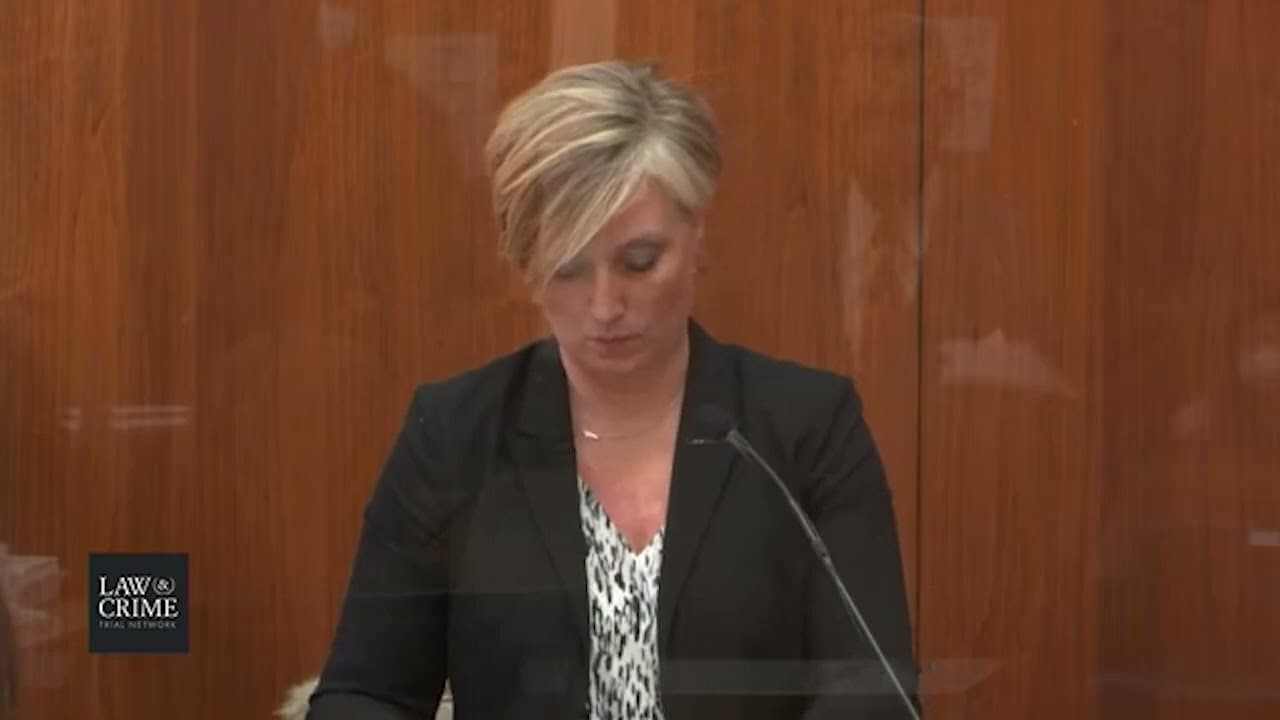
WI v. Theodore Edgecomb Trial Day 5 - Sarah Schreiber - Toxicologist
TL;DR
The court case involves the testimony of a toxicologist and a medical examiner in a trial. The toxicologist provides information about blood alcohol concentration and the estimation chart used in Wisconsin, while the medical examiner discusses death and the physiological processes that occur in the body after death.
Transcript
morning your honor theodore edgecombe appearing in person with anika mod diavi lamar all right we discussed a number of things at the end of the day yesterday hopefully the defense witnesses are ready who's the next defense witness judge the defense would call toxicologist sarah scheiber fine you can never put understand i'm gonna bring the jury in... Read More
Key Insights
- ☠️ Estimating blood alcohol concentration remains a complex process due to individual variations in factors such as metabolism and absorption rates.
- 🧑🏭 The estimation chart used for BAC calculations provides a rough estimate but does not consider individual circumstances or environmental factors.
- 🤘 Death is confirmed by the absence of vital signs and reflexes that indicate the cessation of the body's natural responses.
- 😷 The medical examiner explains that determining the exact time of death and predicting body temperature after death are subjective tasks and can vary between individuals.
Install to Summarize YouTube Videos and Get Transcripts
Explore YouTube Video Summarizer or Get YouTube Transcript Extractor
Questions & Answers
Q: How does the toxicologist estimate blood alcohol concentration?
The toxicologist uses an estimation chart that takes into account a person's weight and the number of standard drinks consumed. However, it does not consider individual factors such as absorption rates and other environmental factors, making it an estimate rather than an exact measurement.
Q: Can the toxicologist determine the specific drinks consumed by an individual?
No, the toxicologist can only determine the presence of alcohol in a person's blood, not the specific drinks consumed. The toxicology report provides information on the concentration of ethanol in the blood.
Q: What factors affect a person's blood alcohol concentration?
Factors such as weight, metabolism, absorption rates, and the content of the alcoholic beverage can all impact an individual's blood alcohol concentration. The estimation chart provides a general guideline but does not account for these individual variables.
Q: How does the medical examiner determine if a person has died?
The medical examiner confirms death by assessing various factors, including the absence of pulse, respiration, and response to painful stimuli. These responses are indicators that the body's natural functions have ceased.
Summary & Key Takeaways
-
The court case includes the testimony of a toxicologist, who explains her role as a forensic technical director and the procedures conducted in the toxicology laboratory.
-
The toxicologist discusses the use of the estimation chart for blood alcohol concentration and the assumptions made in estimating a person's BAC based on weight and number of drinks.
-
The medical examiner provides insight into determining death and the physiological processes that occur in the body after death.
Read in Other Languages (beta)
Share This Summary 📚
Summarize YouTube Videos and Get Video Transcripts with 1-Click
Try YouTube Summary with ChatGPT & Claude or YouTube Transcript Generator
Explore More Summaries from Law&Crime Network 📚





Summarize YouTube Videos and Get Video Transcripts with 1-Click
Try YouTube Summary with ChatGPT & Claude or YouTube Transcript Generator