How to Build Quads & Speed Up Muscle Recovery
TL;DR
To effectively build quads and recover from soreness, prioritize compound movements like squats and incorporate active recovery techniques. Movement is key for alleviating soreness, as it promotes blood flow and nutrient delivery to muscles. Consistent squatting and active recovery can significantly enhance muscle growth and recovery.
Transcript
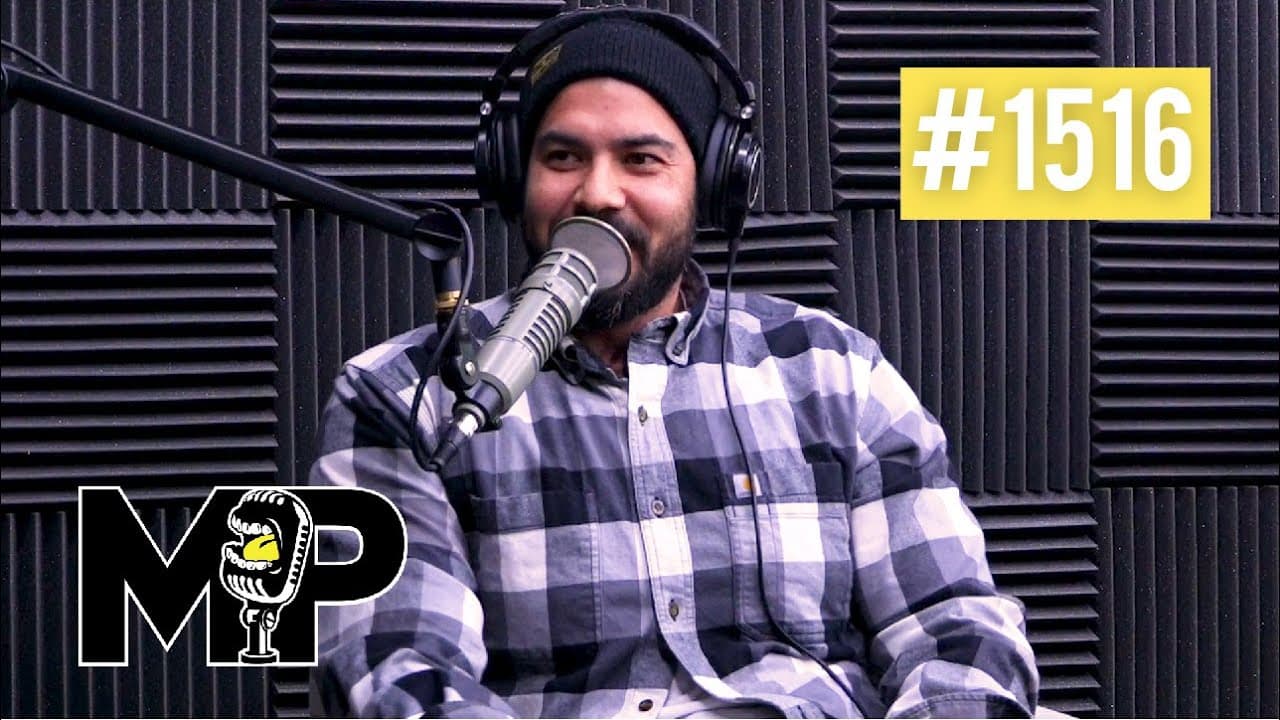
boom you just found the world's number one fitness health and entertainment podcast on youtube this is mind pump all right we got a giveaway for you today you're gonna love this one uh if you win the contest you get a free program you get maps aesthetic access for free it's a great workout program it's built some pretty amazing bodies here's how yo... Read More
Key Insights
- Squats are a highly effective exercise for building quad muscles.
- Active recovery, such as light exercise, is crucial for reducing muscle soreness.
- Movement increases blood flow, aiding in muscle recovery and nutrient delivery.
- Reverse dieting should be stopped when you reach a sustainable calorie intake.
- Running can be incorporated into weightlifting routines but should be aligned with fitness goals.
- For endurance focus, run before lifting; for strength, run after or on rest days.
- The trajectory of human fertility is declining due to chemical exposure.
- Market demand influences the investment in men's versus women's sports.
Install to Summarize YouTube Videos and Get Transcripts
Explore YouTube Video Summarizer or Get YouTube Transcript Extractor
Questions & Answers
Q: What are the best exercises to build mass in the quads?
The best exercises for building quad mass are compound movements like squats. They engage multiple muscle groups, providing a comprehensive workout for the quads. Variations such as front squats and Bulgarian split squats can also be beneficial. These exercises allow for progressive overload and full range of motion, which are essential for muscle growth.
Q: What's the quickest way to recover from muscle soreness?
The quickest way to recover from muscle soreness is through active recovery, which involves light exercises that increase blood flow to the affected areas. This helps deliver nutrients and remove waste products, accelerating recovery. Techniques such as stretching, mobility work, and trigger sessions can effectively reduce soreness and improve muscle repair.
Q: How do I know when to stop a reverse diet?
Stop a reverse diet when you've reached a calorie intake that feels sustainable and supports your activity level without unwanted weight gain. Signs include improved energy, balanced hormones, and an intake that allows for future cutting without severe restriction. Aim for a point where eating feels plentiful yet manageable.
Q: Is it better to run before or after weightlifting?
It depends on your primary goal. If endurance is your focus, run before weightlifting to prioritize cardiovascular improvements. If strength and muscle gains are the priority, run after lifting or on rest days to ensure energy and strength are available for resistance training. Consider the intensity and duration of runs to balance both goals.
Q: What are the benefits of incorporating running into a weightlifting routine?
Running can enhance cardiovascular health, improve endurance, and aid in fat loss when combined with weightlifting. It provides a balance to strength training, promoting overall fitness. However, it's important to manage the intensity and volume to prevent interference with muscle gains, especially if strength is a primary goal.
Q: How does chemical exposure affect human fertility?
Chemical exposure, particularly to endocrine disruptors, is linked to declining fertility rates. These chemicals can affect hormone levels, reduce sperm counts, and impair reproductive health. They are prevalent in many everyday products, leading to widespread exposure and raising concerns about long-term impacts on human reproduction.
Q: Why is there a disparity in investment between men's and women's sports?
The disparity in investment between men's and women's sports is largely driven by market demand. Men's sports typically generate higher viewership and revenue, influencing the level of investment and resources allocated. This economic factor often dictates the facilities, exposure, and support provided to different sports categories.
Q: What role does movement play in muscle recovery?
Movement plays a crucial role in muscle recovery by enhancing blood circulation, which helps deliver essential nutrients to the muscles and remove metabolic waste. Light exercises, stretching, and mobility work can alleviate soreness, improve flexibility, and accelerate the recovery process, leading to faster muscle repair and growth.
Summary & Key Takeaways
-
Squats are unparalleled for quad development due to their compound nature, engaging multiple muscle groups for maximum growth. Incorporating different squat variations, like front squats, can further enhance results. Additionally, active recovery is paramount for reducing soreness and accelerating muscle repair, with movement facilitating blood flow and nutrient distribution.
-
To optimize recovery from soreness, engage in light exercises that promote circulation without overloading the muscles. Techniques like stretching, mobility work, and trigger sessions can significantly reduce soreness and enhance recovery. These practices, when combined with adequate hydration and nutrition, can improve overall muscle recovery.
-
When incorporating running into a weightlifting routine, consider your primary fitness goals. Running before lifting can enhance endurance, while running afterward or on rest days can preserve strength gains. Balance is key to integrating cardiovascular training without compromising muscle development.
Read in Other Languages (beta)
Share This Summary 📚
Summarize YouTube Videos and Get Video Transcripts with 1-Click
Try YouTube Summary with ChatGPT & Claude or YouTube Transcript Generator
Explore More Summaries from Mind Pump Show 📚

Summarize YouTube Videos and Get Video Transcripts with 1-Click
Try YouTube Summary with ChatGPT & Claude or YouTube Transcript Generator