Decorative Painting Techniques : How to Paint Bubbles on Walls
TL;DR
Learn how to paint realistic bubbles using interference paints, creating transparent, shiny, and iridescent effects.
Transcript
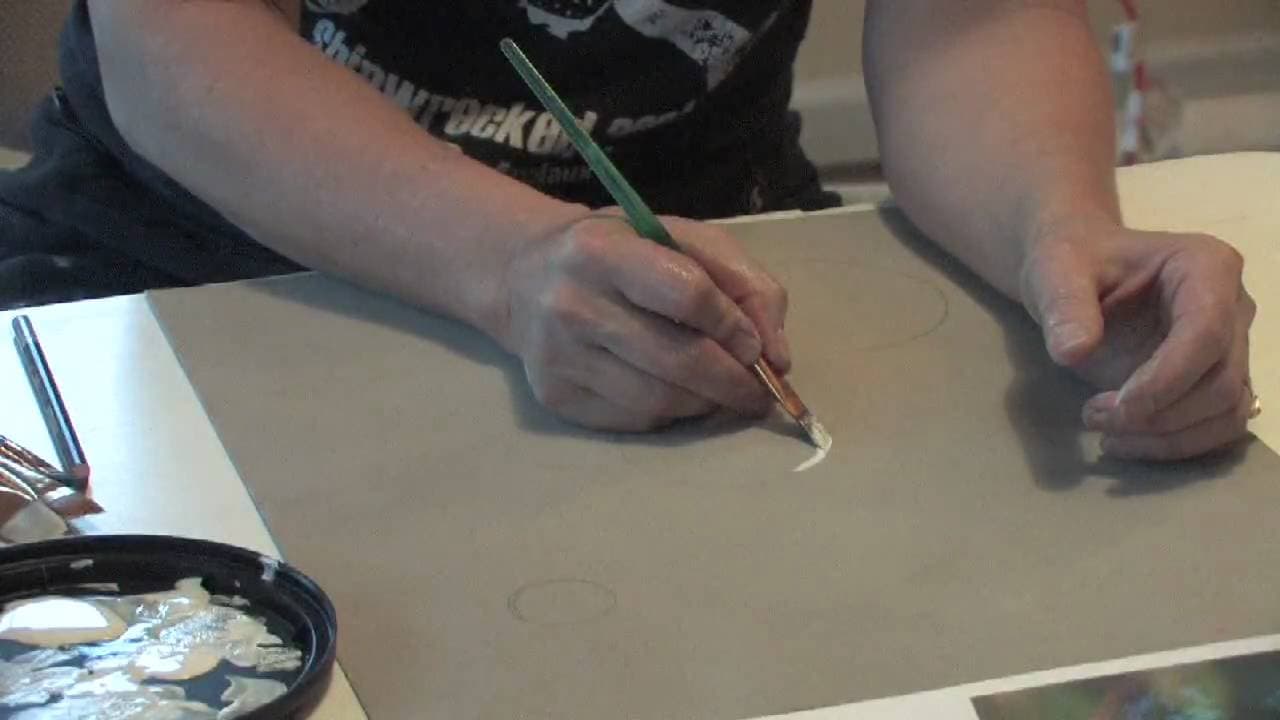
how to paint bubbles the first thing to do is to find a reference for your bubbles for instance go online and Google Bubbles and there you have them uh the thing about bubbles is that they're clear they're shiny and they're iridescent is a good word for them the next thing to do is to decide your bubble sizes and find some random circles let's make... Read More
Key Insights
- 👁️🗨️ Bubbles can be painted realistically by studying reference images and following their characteristics.
- 👨🎨 Transparent and iridescent effects can be achieved using interference paints.
- 👁️🗨️ Soft brush strokes and blending techniques help create a more realistic representation of bubbles.
- 😒 Consider the size of the bubbles and use different brush sizes accordingly.
- 👨🎨 Interference paints offer a versatile option as they can be both transparent and iridescent.
- 👁️🗨️ Maintaining transparency is crucial to showcase the see-through qualities of bubbles in the painting.
- 🪜 Adding a white highlight, known as refraction, adds depth and realism to the bubbles.
Install to Summarize YouTube Videos and Get Transcripts
Explore YouTube Video Summarizer or Get YouTube Transcript Extractor
Questions & Answers
Q: How can I find a reference for painting bubbles?
The easiest way is to search online and use search engines like Google to find reference images of bubbles. Look for images that showcase clear, shiny, and iridescent qualities.
Q: Why is it important to use interference paints for painting bubbles?
Interference paints have a unique property where they are visible only when the light hits them at the right angle. This simulates the refractions and iridescent effects seen in real bubbles.
Q: How do I achieve transparency in my bubble paintings?
To make the bubbles transparent, mix white tint and glazing liquid in a dish. Apply this mixture to create the outside white edge of the bubble, gently softening it. Use lighter brush strokes and consider using a sponge for blending.
Q: Can I use different colors for painting bubbles?
Yes, you can experiment with different colors, but for a realistic approach, observe your reference image and note the predominant colors. In the case of bubbles, blue, green, and violet colors are commonly seen.
Summary & Key Takeaways
-
Find a reference for your bubbles and decide on bubble sizes.
-
Use interference paints to create the transparent and iridescent qualities of bubbles.
-
Add blue, green, and violet colors based on the reference, keeping the paint transparent and using soft brush strokes.
Read in Other Languages (beta)
Share This Summary 📚
Summarize YouTube Videos and Get Video Transcripts with 1-Click
Try YouTube Summary with ChatGPT & Claude or YouTube Transcript Generator
Explore More Summaries from ehow 📚

Summarize YouTube Videos and Get Video Transcripts with 1-Click
Try YouTube Summary with ChatGPT & Claude or YouTube Transcript Generator