How Are Emotions Constructed by the Brain?
TL;DR
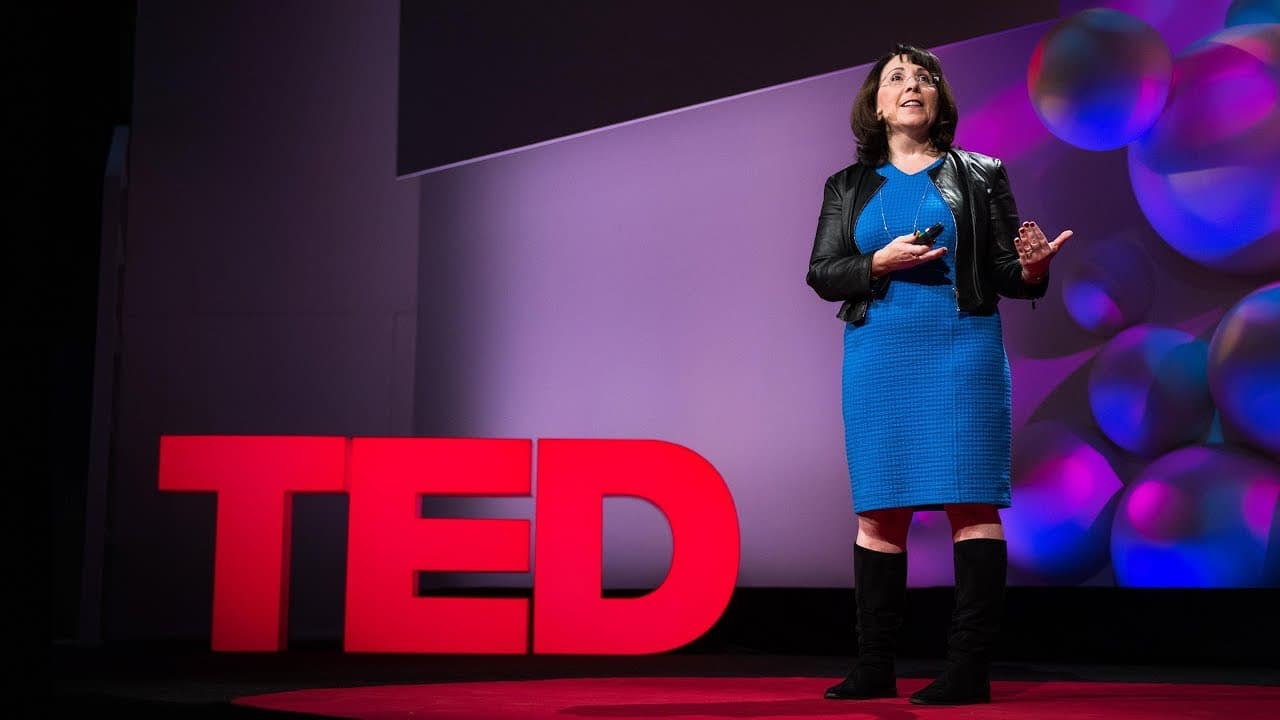
Emotions are not hardwired responses but guesses that our brain constructs based on billions of neurons working together. Understanding this gives individuals more control over their emotional experiences, allowing them to change their emotional responses by shifting the ingredients that inform these predictions.
Transcript
My research lab sits about a mile from where several bombs exploded during the Boston Marathon in 2013. The surviving bomber, Dzhokhar Tsarnaev of Chechnya, was tried, convicted and sentenced to death. Now, when a jury has to make the decision between life in prison and the death penalty, they base their decision largely on whether or not the defen... Read More
Key Insights
- 😮 Jurors cannot accurately detect remorse or any other emotion in anyone, including notorious criminals. Emotions are not universally expressed and recognized, challenging common beliefs about their nature.
- 🔬 Emotional research conducted in labs has consistently shown that emotions are not hardwired brain reactions, but rather guesses that the brain constructs in the moment based on billions of neurons working together.
- 🤔 Emotions are not built into the brain at birth, but are rather constructed based on past experiences and predictions. Humans do not have emotion circuits in their brains.
- 🧠 Emotions are not solely reactions to the world, but rather predictions and constructions made by the brain. Predictions are the basis of every experience and action.
- 🎭 The way emotions are perceived in others is also deeply rooted in predictions made by the brain based on past experiences and similar situations.
- 💻 Tech companies attempting to develop emotion-detection systems are asking the wrong question because emotions are not physically represented in the face and body. Emotions require interpretation and context to be meaningful.
- 💡 The process of experiencing one's own emotions is also based on predictions constructed by the brain. By changing the ingredients used to make these predictions, individuals can transform their emotional lives.
- 💪 Individuals have more control over their emotions than they may realize. Learning to construct experiences differently can lead to emotional intelligence and the ability to better navigate and transform emotions.
- 🎙️ More videos with Lisa Feldman Barrett:
Install to Summarize YouTube Videos and Get Transcripts
Explore YouTube Video Summarizer or Get YouTube Transcript Extractor
Questions & Answers
Q: What is the basis for the decision between life in prison and the death penalty in a jury trial?
According to the video, the decision between life in prison and the death penalty in a jury trial is largely based on whether or not the defendant feels remorseful for their actions.
Q: Can jurors detect remorse or any other emotion in defendants?
No, jurors cannot detect remorse or any other emotion in defendants. The speaker explains that emotions are not universally expressed and recognized, and that jurors, like anyone else, cannot detect or perceive emotions in others.
Q: What are emotions, according to the speaker?
The speaker states that emotions are guesses that the brain constructs in the moment, based on billions of brain cells working together. Emotions are not hardwired brain reactions that are uncontrollable, but rather, they are constructed by the brain using past experiences and making predictions.
Q: Can individuals change their emotions?
Yes, individuals have more control over their emotions than they may think. The video suggests that individuals can change the ingredients their brain uses to make emotions, thereby transforming their emotional life. By changing their brain's predictions, individuals can have more control over their emotions.
Q: What does the speaker mean by being the "architect of your experience"?
Being the "architect of your experience" refers to the idea that individuals can have control over their emotions by actively shaping and constructing their experiences. By changing their brain's predictions and actively participating in their emotional life, individuals can take control and influence their emotional states and reactions.
Summary & Key Takeaways
-
Jurors base their decision between life in prison and the death penalty on whether or not the defendant feels remorseful for their actions, but jurors cannot accurately detect remorse or any other emotion.
-
Emotions are not hardwired reactions in the brain and are not universally expressed or recognized.
-
Emotions are guesses constructed by the brain in the moment and can be influenced and controlled by individuals, offering the potential for emotional intelligence and empowerment.
Read in Other Languages (beta)
Share This Summary 📚
Summarize YouTube Videos and Get Video Transcripts with 1-Click
Try YouTube Summary with ChatGPT & Claude or YouTube Transcript Generator
Explore More Summaries from TED 📚


Summarize YouTube Videos and Get Video Transcripts with 1-Click
Try YouTube Summary with ChatGPT & Claude or YouTube Transcript Generator