Traps on the Land (Clip) | Alaska: The Next Generation
TL;DR
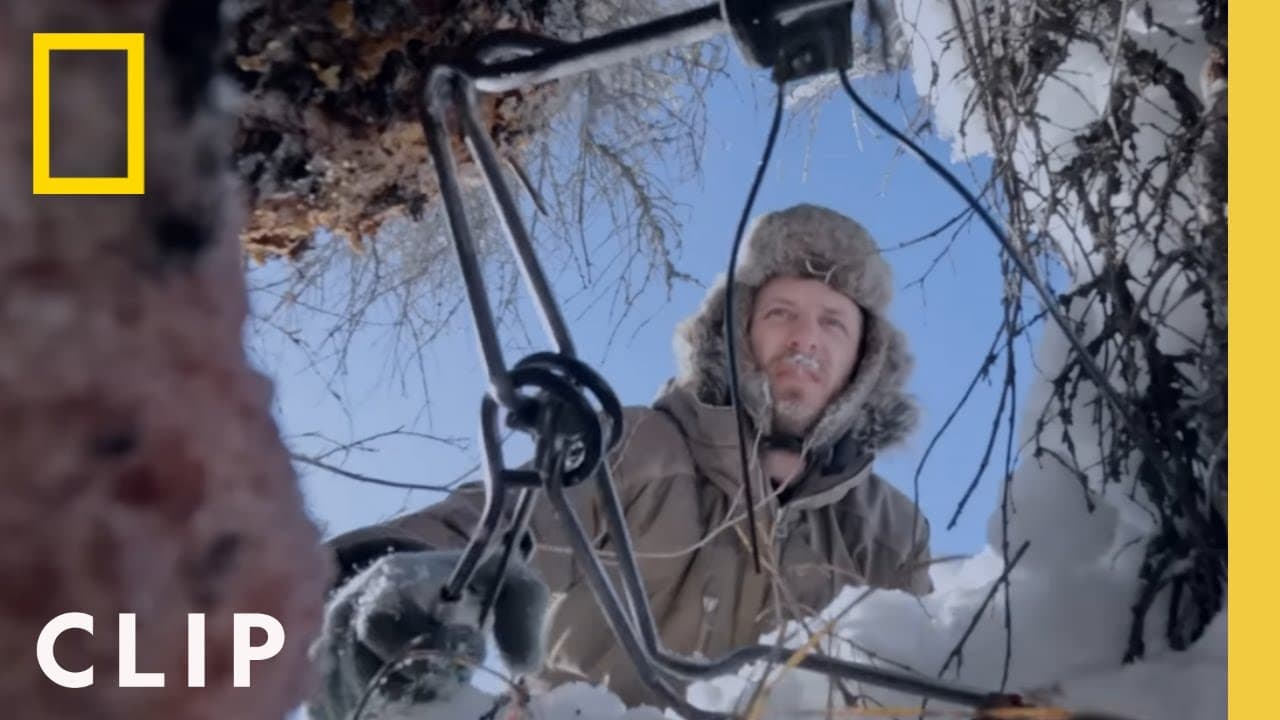
Successful winter trapping here depends on finding natural game trails, funneling animals toward a body-gripping trap, and placing bait behind it. The trapper connects a snowshoe trail to a game path, uses lake-bank alders and an enclosed cubby to control access, and baits the setup with frozen caribou stomach. Read on for the trap choice, placement method, safety precautions, and reason the middle of winter is preferred.
Transcript
It's a hard life out here. So a goal is to go out trapping and get some fur. And the animals out here that are growing with the land will make garments that are meant to be on this land. This is what I'm looking for right here. I got a natural game trail. The animals, they continue to use this because the snow is so deep, they take advantage of any... Read More
Key Insights
- 🏝️ The narrator's goal is to trap animals for their fur, which will be used to make garments suitable for the land.
- 🪤 Natural game trails and strategic trap placement in areas with cubbies and natural cover increase trapping success.
- ⌛ Winter is the prime time for trapping due to the thick fur and increased activity of animals.
- 🥺 Snowshoes are used to create trails leading to the traps and guide animals towards them.
- 🪤 Body gripping traps are the narrator's preferred choice due to their humane nature.
- 🍵 Confidence and comfort are essential when handling traps to avoid injuries.
- 🪤 Bait, such as frozen caribou stomach, is used to attract scavengers and increase the chances of trapping animals.
Install to Summarize YouTube Videos and Get Transcripts
Explore YouTube Video Summarizer or Get YouTube Transcript Extractor
Questions & Answers
Q: How does the trapper set traps on the land in Alaska: The Next Generation?
The trapper finds a natural game trail beside a lake and builds a connecting snowshoe trail to the front of a trap. The trap is placed in a natural cubby where alders funnel animals toward the front and the enclosed back prevents them from stealing the bait.
Q: Why is the middle of winter the prime time to trap?
The middle of winter is preferred because the animals’ fur is at its thickest. That is the type of fur the trapper wants for garments meant to be used on the land.
Q: Why does the trapper look for natural game trails?
Animals continue using natural game trails because the snow is deep and those paths make travel easier. Finding one along the lake bank gives the trapper access to natural cubbies where traps can be placed.
Q: How do snowshoes help guide animals toward the trap?
Walking in snowshoes creates a defined trail through the snow. The trapper connects that trail to an existing game path and leads it to the front of the planned trap.
Q: How does the cubby keep animals from stealing the bait?
The cubby’s back is naturally enclosed, so an animal cannot easily enter from behind and take the bait. Alders and six available branches help funnel it toward the easier access point at the front.
Q: What bait does the trapper use for wolverines, foxes, and scavengers?
The trapper uses the frozen stomach from the last caribou he shot, describing it as technically fresh. He throws it into the back of the cubby because wolverines, foxes, and other scavengers like to eat it.
Q: What type of trap does the trapper prefer?
He prefers body-gripping traps over the leg-hold traps he has used in the past. He calls body-gripping traps the most humane option because they close before the animal reaches the bait and, in his description, cause no suffering or pain.
Q: What safety precautions matter when setting the body-gripping trap?
A rope is used to compress the springs, and a small clip holds them in place as a safety. The trapper warns that the trap could easily break his arm, so he says the person setting it must feel confident and comfortable to avoid getting hurt.
Summary & Key Takeaways
-
The narrator aims to trap animals in the winter to obtain fur for garments that are suitable for the land.
-
Identifying natural game trails and using them to set traps proves beneficial in trapping animals in deep snow.
-
The narrator utilizes snowshoes to create trails leading to the traps, increasing the chances of animals approaching them.
Read in Other Languages (beta)
Share This Summary 📚
Summarize YouTube Videos and Get Video Transcripts with 1-Click
Try YouTube Summary with ChatGPT & Claude or YouTube Transcript Generator
Explore More Summaries from National Geographic 📚

Summarize YouTube Videos and Get Video Transcripts with 1-Click
Try YouTube Summary with ChatGPT & Claude or YouTube Transcript Generator