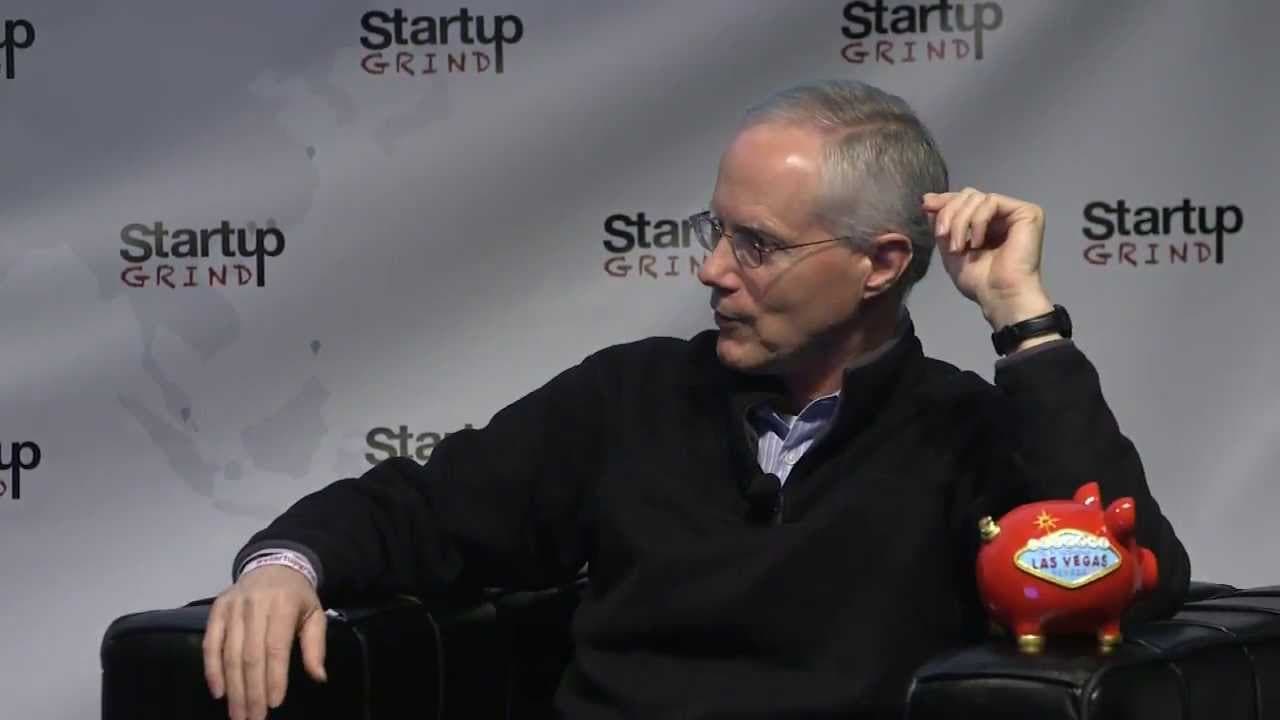
Scott Cook (Intuit) at Startup Grind 2014
TL;DR
Quicken succeeded by making personal-finance software fast, easy, and intuitive instead of matching competitors’ long feature lists. Scott Cook’s team studied how households handled basic tasks, tested the software with people who had never touched a PC, and redesigned screens to resemble checks and check registers. Intuit still endured rejected funding pitches, failed distribution efforts, and six months without salaries. Read on for the product and survival lessons behind its rise.
Transcript
welcome to the startup grind thank you Mike um thank you everybody and thank you Scott for joining us um let's start at the beginning tell us how you went from working at a big company like proor and gamble to deciding to start a company to make PC software which was sort of I that was like deciding to start a web start up today uh well my wife and... Read More
Key Insights
- 🏛️ Successful entrepreneurship involves identifying important and unsolved problems, creating innovative solutions, and building a competitive advantage.
- 👤 Understanding customer behaviors and needs is crucial for creating user-friendly and intuitive products.
- 🤑 Word-of-mouth advertising and user recommendations can significantly contribute to a product's success.
- 🛩️ Entrepreneurial success can come from adapting and integrating smaller startups and leveraging their innovative ideas.
- 🥺 The experimentalist approach, focusing on rapid testing and learning, can lead to breakthrough product developments and business growth.
Install to Summarize YouTube Videos and Get Transcripts
Explore YouTube Video Summarizer or Get YouTube Transcript Extractor
Questions & Answers
Q: Why did Quicken succeed in the personal-finance software market?
Quicken focused on the few financial tasks most households actually performed: paying bills and determining how much money they had. While competitors built complicated, slow products packed with features, Intuit made Quicken fast, easy, and single-minded about saving users time.
Q: How did Scott Cook get the idea for Quicken?
Cook’s wife complained that paying bills was a repetitive clerical hassle, even though she was good at it. He realized that PCs could automate calculations and dates, then investigated whether this was a widespread problem worth solving.
Q: How did Scott Cook research customers before building Quicken?
Cook called households and asked what people actually did with their finances and which parts caused pain or hassle. He learned that most people performed only basic tasks and wanted to complete them quickly and easily.
Q: What set Quicken apart from competing personal-finance software?
Competing products emphasized features such as balance sheets, graphs, budgets, assets, liabilities, and investments. Quicken instead prioritized simplicity, speed, and the basic financial activities customers used most often.
Q: How did Intuit make Quicken intuitive for first-time computer users?
The team invited nonusers who had never touched a PC to try tasks such as writing and printing a check. They observed where participants became stuck, redesigned the software, and tested it again a week later.
Q: Why did Quicken’s screens resemble real financial documents?
Intuit designed the data-entry screen to look like a check and the database screen to look like a check register. Cook said this approach used design to make the software understandable and intuitive, even on an 80-character green screen.
Q: What early distribution and funding problems did Intuit face?
Software distributors would not take the product, while competing products were already available in stores. More than two dozen local venture-capital firms turned Cook down, leaving the company without the money needed to secure distribution.
Q: How close did Intuit come to failing?
Intuit returned rented computers and furniture, used card tables as desks, and placed printers on crates of unsold products. The company stopped paying salaries, and four of its seven people stayed through six months without pay.
Summary & Key Takeaways
-
Scott Cook explains his transition from working at a large corporation to starting a PC software company after realizing the potential of using technology to solve everyday problems.
-
Quicken succeeded in the personal finance software market by focusing on customer needs and creating a simple and intuitive product, unlike their competition that loaded up on features but lacked usability.
-
Intuit faced near-death experiences and struggled to find distribution for their product, but eventually found success through word-of-mouth advertising and addressing the biggest problem customers had.
Read in Other Languages (beta)
Share This Summary 📚
Summarize YouTube Videos and Get Video Transcripts with 1-Click
Try YouTube Summary with ChatGPT & Claude or YouTube Transcript Generator
Explore More Summaries from Startup Grind 📚





Summarize YouTube Videos and Get Video Transcripts with 1-Click
Try YouTube Summary with ChatGPT & Claude or YouTube Transcript Generator