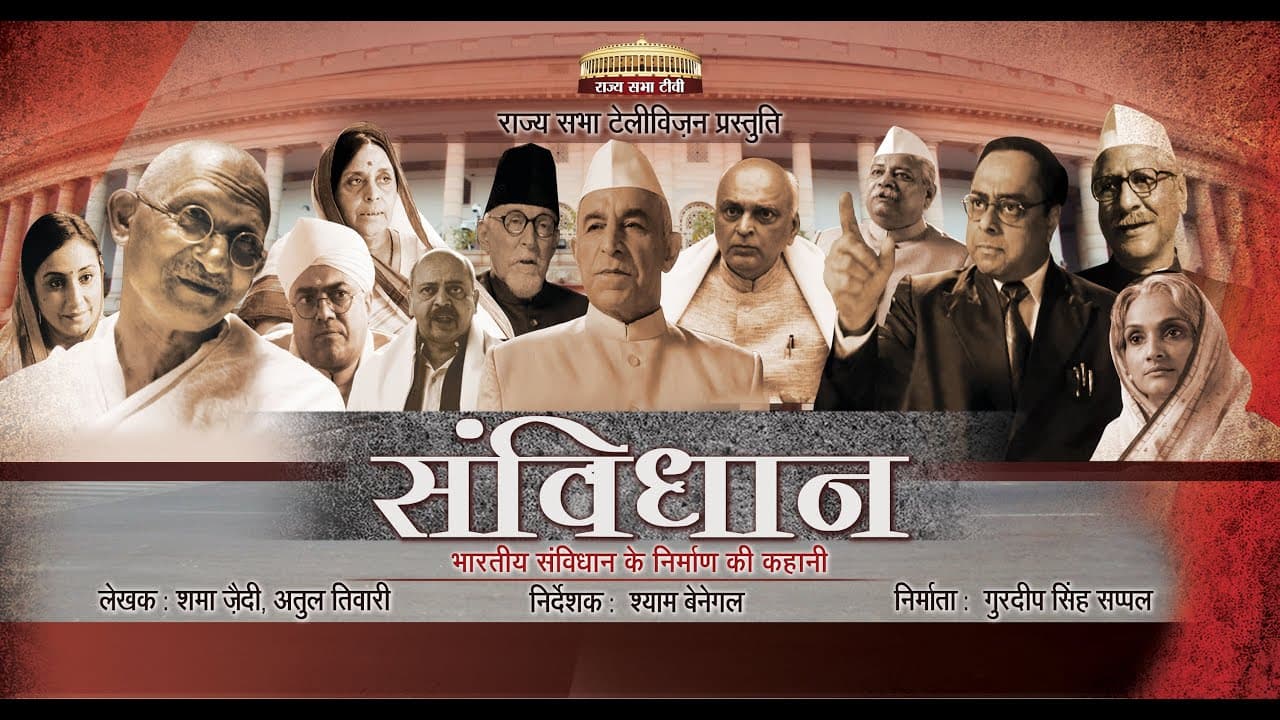
Samvidhaan - Episode 1/10
TL;DR
The journey of creating India's Constitution amidst political challenges.
Transcript
Read and summarize the transcript of this video on Glasp Reader (beta).
Key Insights
- The Constitution of India is a symbol of national unity, created to represent the diverse cultures, languages, and religions of the Indian subcontinent.
- The creation of the Constitution was a monumental task involving three years of labor and imagination, led by key figures like Nandalal Bose and Prem Behari Narain Raizada.
- The desire for an Indian Constitution began with the 1857 War of Independence and intensified during the freedom movement under Mahatma Gandhi's leadership.
- The Nehru Report of 1928 and the Government of India Act 1935 were significant steps towards self-rule, though they fell short of Indian aspirations.
- The Cabinet Mission of 1946 aimed to resolve political tensions and lay the groundwork for India's Constitution, but faced challenges from the Muslim League and Congress.
- The interim government formed in 1946 was unstable, reflecting the complex political landscape and communal tensions of the time.
- Gandhi's principles of non-violence and unity were central to the discussions, despite disagreements with leaders like Jinnah on the need for separate Constituent Assemblies.
- The Constituent Assembly, convened in December 1946, marked a significant step towards drafting the Constitution, with key figures like Nehru presenting foundational proposals.
Install to Summarize YouTube Videos and Get Transcripts
Explore YouTube Video Summarizer or Get YouTube Transcript Extractor
Questions & Answers
Q: What is the significance of the original copy of the Constitution of India?
The original copy of the Constitution of India is significant as it represents the culmination of efforts by the Constituent Assembly members who worked tirelessly for three years to complete it. It is not just a legal document but a symbol of India's identity and unity, reflecting the diverse cultures, languages, and religions of the nation.
Q: How did the idea of an Indian Constitution originate?
The idea of an Indian Constitution originated during the 1857 War of Independence when revolutionaries attempted to draft their own Constitution. Although the revolt was crushed, the aspiration for a Constitution persisted, gaining momentum during the freedom movement led by Mahatma Gandhi. The demand for self-rule and an Indian Constitution became more vocal, leading to significant political developments.
Q: What role did the Nehru Report play in the formation of the Constitution?
The Nehru Report, prepared by Pandit Motilal Nehru in 1928, played a crucial role in the formation of the Constitution by outlining a proposal for self-rule and a framework for India's governance. It was one of the first major steps towards a formal Constitution, advocating for a united India with a democratic government, despite its limitations in fully addressing Indian aspirations.
Q: What were the challenges faced by the Cabinet Mission of 1946?
The Cabinet Mission of 1946 faced several challenges, primarily the political tensions between the Congress and the Muslim League. The mission aimed to resolve these tensions and lay the groundwork for India's Constitution. However, disagreements over the structure of the government and the demand for separate Constituent Assemblies by the Muslim League led to a complex and contentious negotiation process.
Q: How did the interim government of 1946 come into existence?
The interim government of 1946 came into existence as a result of the Cabinet Mission's efforts to establish a framework for India's governance while the Constitution was being drafted. Despite its formation, the government was unstable due to political disagreements and communal tensions. Key figures like Nehru and Patel took on leadership roles, but the government struggled to maintain stability amidst ongoing challenges.
Q: What was Gandhi's role in the discussions about the Constitution?
Gandhi played a significant role in the discussions about the Constitution by advocating for unity and non-violence. Despite disagreements with leaders like Jinnah, Gandhi emphasized the importance of a single Constituent Assembly and the need to consider the welfare of all citizens. His principles and guidance were influential, even though he was not directly involved in the Constituent Assembly's proceedings.
Q: What was the significance of the Constituent Assembly convened in December 1946?
The Constituent Assembly convened in December 1946 was significant as it marked a crucial step towards drafting India's Constitution. It brought together elected representatives from various regions to discuss and shape the future governance of India. The Assembly's work laid the foundation for the Constitution, with key figures like Nehru presenting proposals that emphasized unity, equality, and fundamental rights.
Q: What was Nehru's contribution to the drafting of the Constitution?
Nehru's contribution to the drafting of the Constitution was pivotal, particularly through his presentation of the Aims and Objectives Resolution. This document laid the foundation for the Constitution by outlining key principles such as independence, unity, sovereignty, and fundamental rights. Nehru's vision for a democratic India was instrumental in guiding the Assembly's discussions and shaping the future governance of the nation.
Summary & Key Takeaways
-
The Constitution of India was crafted as a unifying symbol for a diverse nation, requiring three years of dedicated effort from various artists and leaders. Its creation was driven by the desire for self-rule, sparked by earlier independence movements and intensified under Gandhi's leadership.
-
Significant political developments, such as the Nehru Report and the Government of India Act, paved the way for the Constitution. The Cabinet Mission of 1946 attempted to address political tensions but faced challenges, particularly from the Muslim League and Congress.
-
Despite the interim government's instability, the Constituent Assembly's convening in December 1946 marked a crucial step in drafting the Constitution. Key figures, including Nehru, laid the groundwork for India's future governance, emphasizing unity and fundamental rights.
Read in Other Languages (beta)
Share This Summary 📚
Summarize YouTube Videos and Get Video Transcripts with 1-Click
Try YouTube Summary with ChatGPT & Claude or YouTube Transcript Generator
Explore More Summaries from Sansad TV 📚





Summarize YouTube Videos and Get Video Transcripts with 1-Click
Try YouTube Summary with ChatGPT & Claude or YouTube Transcript Generator