How Do You Tell a Good Career Story on Your Resume and LinkedIn?
TL;DR
A good career story clearly connects your choices, measurable accomplishments, promotions, and transitions to work an employer needs done. Keep your LinkedIn profile current and accurate, use a simple chronological resume, and explain what you did, for whom, the results, and what happened afterward. Read on to see why promotions, credible moves, and choosing strong people and companies make that story convincing.
Transcript
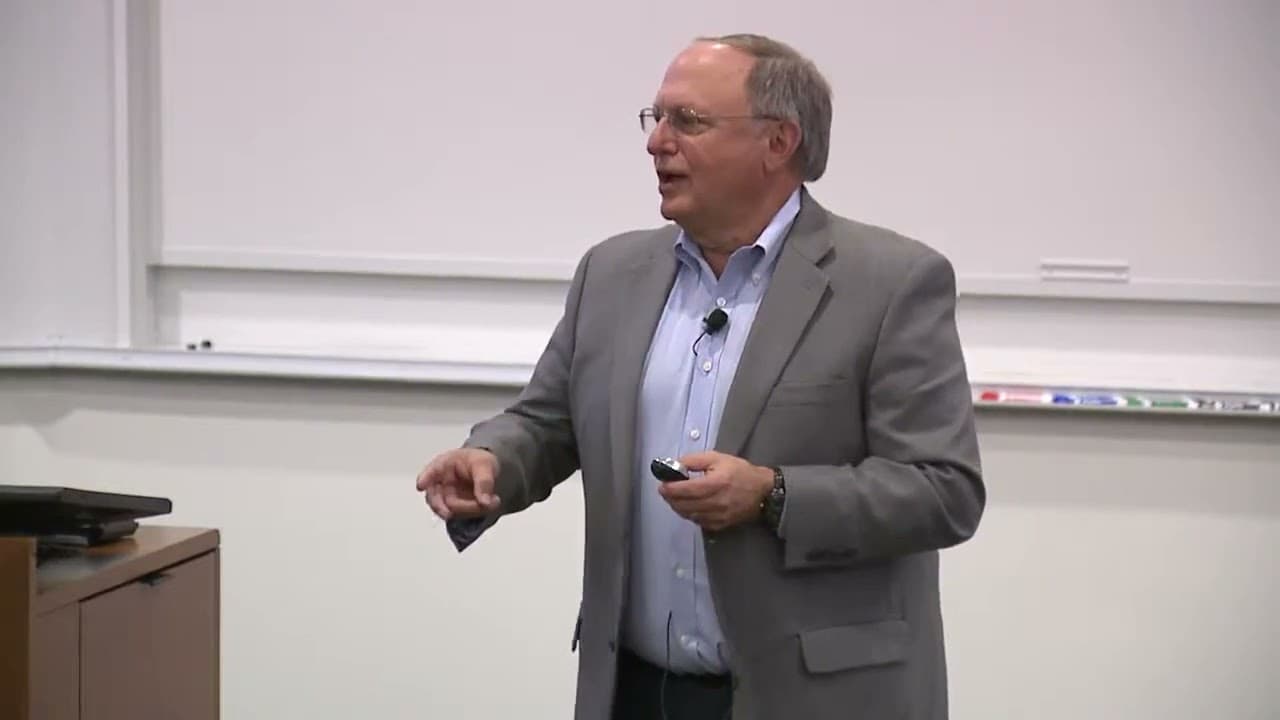
[MUSIC] What about resumes? I'm asked a lot of times about resumes, and I probably pay less attention to resumes than most people do. You got to have one? Maybe. I mean, frankly today, your LinkedIn profile may be good enough for most of the things that you've got to do. If you don't have a LinkedIn profile, you got to get one, and do that quick, m... Read More
Key Insights
- 🥇 Resumes and LinkedIn profiles both have their place in the job market, with LinkedIn profiles becoming increasingly important.
- ❓ Crafting a compelling story is vital in interviews, emphasizing logical choices and measurable accomplishments.
- 🧑🏭 Company culture and the people you work with are often more important factors in career success than the product or compensation.
- 👣 Promotions and growth within a company demonstrate a track record of success and should be highlighted on resumes and profiles.
- 💄 Focusing on credible transitions and moves ensures that your career path makes sense and can be explained convincingly.
- 🛄 Avoid misrepresentations and vague claims on resumes or profiles, as hiring managers value honesty and clarity.
- 💪 Having a clear and credible path to your career goals is essential in storytelling and building a strong case for your abilities.
Install to Summarize YouTube Videos and Get Transcripts
Explore YouTube Video Summarizer or Get YouTube Transcript Extractor
Questions & Answers
Q: How do you tell a good career story on your resume or LinkedIn profile?
Present a clear, logical account of your choices, accomplishments, promotions, and career moves. Explain what you did, when you did it, who you did it for, what results you achieved, and what happened to you as a result.
Q: Is a resume still necessary if you have a LinkedIn profile?
A current LinkedIn profile may be sufficient for most things you need to do, according to the speaker, though you may still need a resume. Your LinkedIn profile should always be current and accurate because it also helps you tell your career story.
Q: What makes a career story convincing to an employer?
A convincing story uses logical explanations for your choices and shows accomplishments you can legitimately claim in full or in part. It must ultimately persuade the employer that you can successfully perform work they actually need done.
Q: What should a simple chronological resume include?
It should state what you did, when you did it, who you did it for, and what the results were. It should also explain what happened to you afterward, such as receiving a promotion.
Q: Why are measurable accomplishments important in a career story?
Measurable accomplishments provide facts and figures that people can recognize instead of vague or fluffy claims. You should clearly distinguish between results for which you deserve full credit and those for which you deserve only partial credit.
Q: Why do promotions matter when employers review a career history?
A promotion shows that the people or company you worked for believed you performed well enough to receive a bigger job. The speaker looks closely at where and when candidates were promoted, rather than judging career progress only by increasingly impressive titles at different companies.
Q: Should you leave a job when you are close to completing a major project or earning a promotion?
The speaker advises thinking long and hard before leaving just short of finishing a project you can claim or receiving a promotion. A future interviewer may ask why you left when a promotion appeared close.
Q: Should you prioritize the company and people over the product and compensation?
The speaker generally recommends working for the best people and companies available. A good company with great people can fix a weak product over time, while poor people can undermine even a strong product.
Summary & Key Takeaways
-
Resumes are important, but LinkedIn profiles can often be sufficient for job applications today.
-
A good story is crucial to convince employers during interviews, so make good choices and be prepared to explain them logically.
-
Company culture and the people you work with are often more important than the product or compensation.
Read in Other Languages (beta)
Share This Summary 📚
Summarize YouTube Videos and Get Video Transcripts with 1-Click
Try YouTube Summary with ChatGPT & Claude or YouTube Transcript Generator
Explore More Summaries from Stanford Graduate School of Business 📚

Summarize YouTube Videos and Get Video Transcripts with 1-Click
Try YouTube Summary with ChatGPT & Claude or YouTube Transcript Generator