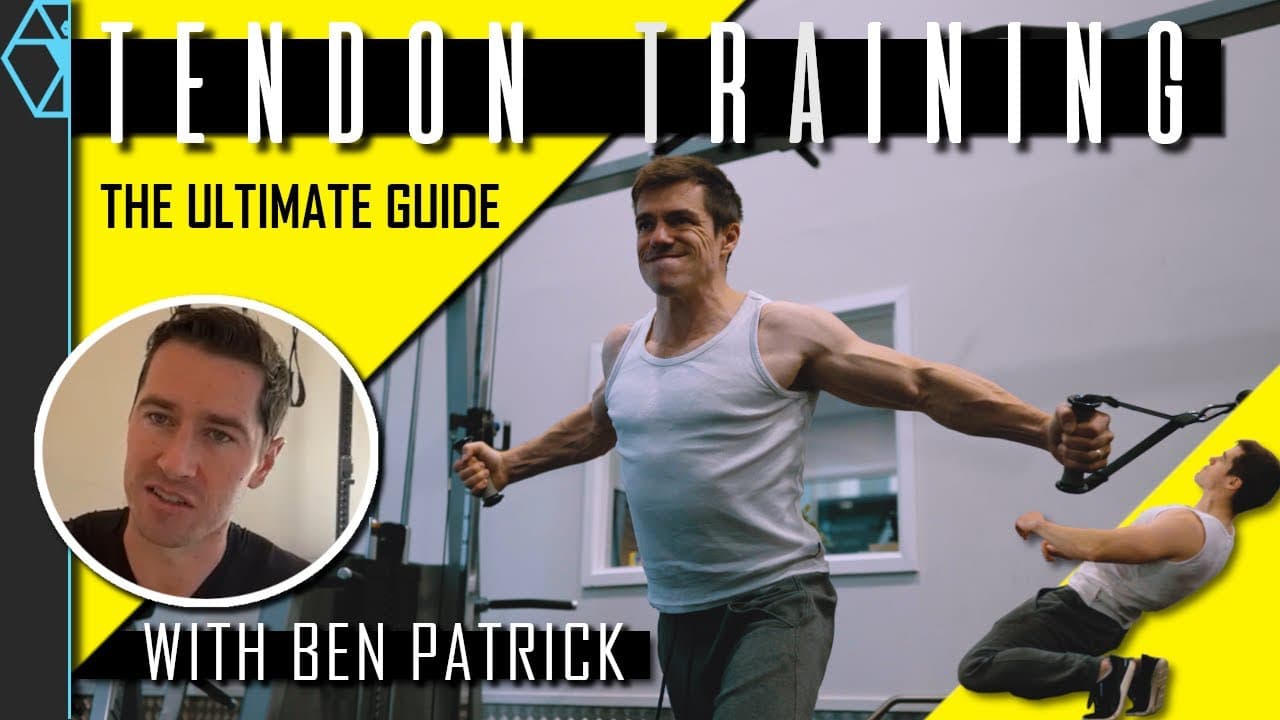
The Ultimate Guide to Tendon Training (With KneesOverToesGuy!)
TL;DR
Training the tendons is crucial for injury prevention, pain reduction, and unlocking maximum athletic potential.
Transcript
all right put simply training attendance is one of the single most important aspects of your training that you're probably not putting enough emphasis on having strong attenders not only protect against injury that only helps you to combat and reduce pain that you might be experiencing can also help you to unlock your true athleticism because tende... Read More
Key Insights
- 💪 Training attendance is crucial for injury prevention, reducing pain, and unlocking athleticism. Tendons are capable of greater force output than muscles, making tendon training essential for optimal performance.
- 💡 Few people actively train their tendons, which presents an untapped opportunity for improved performance and reduced injury risk. Training tendons properly can lead to long-term health and pain-free movement.
- 🔥 Patrick, aka Knees Over Toes Guy, is an expert in tendon training and emphasizes the importance of building strength and resilience in tendons through specific exercises and techniques.
- 🩺 Tendons take longer to heal and grow compared to muscles due to lower blood supply. High volume and high-frequency training, along with varied calisthenics movements, can promote blood flow to tendons and improve their health.
- 🩸 Blood flow restriction training and continuous time under tension sets can enhance blood supply to tendons, leading to faster recovery, decreased injury risk, and increased vascularity.
- ♂️ Traditional weight training alone is not enough to maximize tendon potential. Techniques such as heavy partials, heavy negatives, and weighted stretching in extended ranges of motion can effectively target and strengthen tendons.
- 🔒 Long-range movements and extreme isometric exercises can place greater load on tendons, leading to tendon remodeling and growth. Plyometric training and ballistic isometrics are also effective tools for tendon training.
- 🥗 Proper diet, nutrition, sleep, and lifestyle also play a role in supporting tendon health and recovery. Collagen supplementation and balanced nutrition, including protein and minerals, can aid in tendon repair and athleticism.
Install to Summarize YouTube Videos and Get Transcripts
Explore YouTube Video Summarizer or Get YouTube Transcript Extractor
Questions & Answers
Q: Why is training tendons as important as training muscles?
Training tendons is just as important as training muscles because muscles and tendons work together as muscle-tendon units (MTUs), and strengthening tendons can prevent imbalances, reduce pain, and improve overall athletic performance.
Q: Can tendons be trained and healed?
Yes, tendons can be trained and healed through specific exercises and techniques that target them directly, such as short-range and long-range movements, weighted stretching, shock training, and isometric training. Proper nutrition and a balanced lifestyle also contribute to tendon health.
Q: How do short-range movements benefit tendon training?
Short-range movements, like pulse squats or backwards sled pulls, increase blood flow to the tendons, promoting healing and improving overall tendon health. They also help to build resilience and strength in the tendons.
Q: What role does weighted stretching play in tendon training?
Weighted stretching involves using lighter weights and moving through a greater range of motion than traditional training. This places more force on the tendons, helping to increase range of motion, generate strength from stretched positions, and enhance resilience against injury.
Q: How can shock training and isometric training contribute to tendon strengthening?
Shock training, such as plyometrics, and isometric training, which involves holding positions or pushing/pulling against immovable forces, challenge the tendons and promote tendon remodeling and growth. These techniques can help improve tendon strength and overall athletic performance.
Q: What lifestyle factors are important for tendon health?
Proper sleep, avoiding smoking, and maintaining a balanced and nutritious diet are important for tendon health. Collagen, found in foods like bone broth or collagen supplements, has shown promising results in restoring tendon health and improving athleticism.
Q: Can training tendons improve joint pain and mobility?
Yes, training tendons can help improve joint pain and mobility. Properly stimulating and strengthening tendons through specific training techniques can help reverse joint complaints and allow for healthy and pain-free movement.
Q: How can tendons contribute to efficient movement and energy conservation?
Tendons allow for more efficient movement by allowing the transfer of energy without requiring excessive muscle contraction. Strengthening tendons can reduce the reliance on muscle contraction, making movement more efficient and reducing the need for muscular effort.
Summary & Key Takeaways
-
Training tendons is essential because muscles and tendons work together as muscle-tendon units (MTUs), and strengthening tendons is crucial for optimal performance and injury prevention.
-
Lack of proper tendon training can lead to muscle-tendon imbalances, joint complaints, and increased risk of injury, but tendons can be trained and healed through specific exercises and techniques.
-
Short-range and long-range movements, weighted stretching, shock training, isometric training, and proper nutrition can all contribute to strengthening and improving the health of tendons.
Read in Other Languages (beta)
Share This Summary 📚
Summarize YouTube Videos and Get Video Transcripts with 1-Click
Try YouTube Summary with ChatGPT & Claude or YouTube Transcript Generator
Explore More Summaries from The Bioneer 📚





Summarize YouTube Videos and Get Video Transcripts with 1-Click
Try YouTube Summary with ChatGPT & Claude or YouTube Transcript Generator