What Are the Four Key Secrets of Price Action Trading?
TL;DR
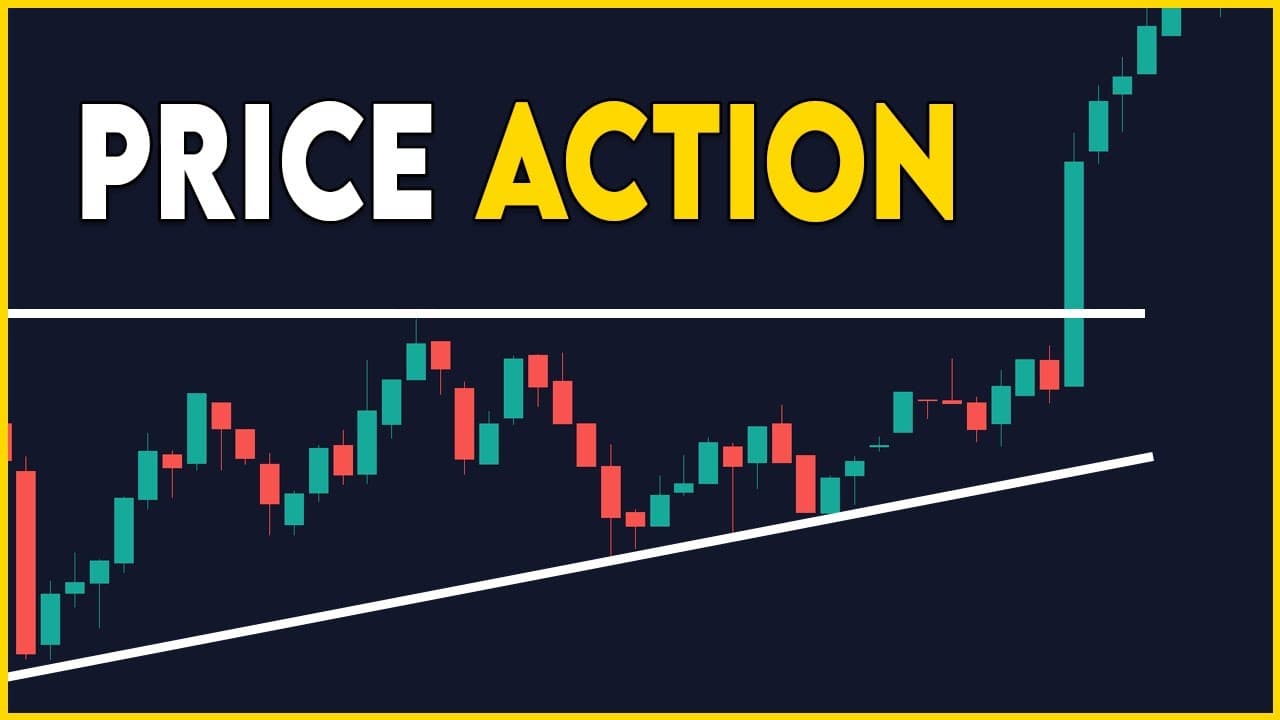
The four key secrets of price action trading are recognizing candlestick patterns, understanding mean reversion, analyzing momentum, and interpreting pullbacks. Candlestick bodies signal market sentiment, mean reversion indicates prices return to an average, momentum reflects the strength of price movement, and Fibonacci retracement helps assess pullback strength. Mastering these concepts enhances trading decisions and confidence.
Transcript
Read and summarize the transcript of this video on Glasp Reader (beta).
Key Insights
- Price action is crucial for real-time trading decisions, unlike lagging indicators that rely on past data.
- Understanding candlestick patterns, especially the body, can indicate strong buying or selling pressure.
- Mean reversion suggests that prices tend to return to their average, useful for identifying buying opportunities.
- Momentum analysis helps predict market trends by assessing the speed of price movements.
- Pullbacks, or price corrections, can signal trader behavior and future price direction.
- Fibonacci retracement tool assists in determining the strength of pullbacks, aiding in trade decisions.
- Combining price action secrets with indicators enhances trading strategies and success rates.
- Learning price action is fundamental for confident and effective trading in various markets.
Install to Summarize YouTube Videos and Get Transcripts
Explore YouTube Video Summarizer or Get YouTube Transcript Extractor
Questions & Answers
Q: Why is price action important in trading?
Price action is crucial because it allows traders to make decisions based on real-time data rather than relying on lagging indicators. By understanding price action, traders can anticipate market movements and make informed trades, improving their chances of success. It provides insights into market sentiment and potential future price trends.
Q: How can candlestick patterns aid in trading decisions?
Candlestick patterns, especially the body, can reveal significant buying or selling pressure in the market. For example, a large green candle with no wicks indicates strong buying interest, suggesting a bullish trend. Recognizing these patterns helps traders identify support and resistance levels and make strategic trading decisions.
Q: What is mean reversion in trading?
Mean reversion is the concept that prices tend to return to their average over time. In trading, this principle is used to identify potential buying or selling opportunities. When prices deviate significantly from the moving average, traders can anticipate a return to the mean, allowing them to capitalize on these movements.
Q: How does momentum affect trading strategies?
Momentum refers to the rate at which prices move in the market. Understanding momentum helps traders predict whether a market trend is strengthening or weakening. For instance, a gradual price increase followed by a sharp upward movement indicates gaining momentum, suggesting a potential bullish trend. This insight aids in timing trades effectively.
Q: What role do pullbacks play in trading analysis?
Pullbacks are price corrections that occur during market trends, providing insights into trader behavior. A weak pullback suggests continued trend strength, while a strong pullback indicates potential trend reversal or sideways movement. Analyzing pullbacks helps traders gauge market sentiment and adjust their strategies accordingly for better outcomes.
Q: How is the Fibonacci retracement tool used in trading?
The Fibonacci retracement tool helps determine the strength of pullbacks by measuring how far a price retraces from its trend. By setting levels on a chart, traders can assess whether a pullback is weak or strong, aiding in trade entry and exit decisions. This tool simplifies analysis and enhances trading accuracy.
Q: Can price action be used alone for successful trading?
While price action provides valuable insights, relying solely on it may not yield high success rates. Combining price action with other indicators and strategies enhances trading effectiveness. This integrated approach allows traders to confirm signals and make more informed decisions, increasing the likelihood of successful trades.
Q: What benefits do traders gain from understanding price action?
Understanding price action empowers traders to anticipate market movements and make informed decisions. It enhances confidence in trading strategies, improves timing for trade entries and exits, and increases overall success rates. By mastering price action, traders can adapt to changing market conditions and achieve better trading outcomes.
Summary & Key Takeaways
-
Price action is a vital aspect of trading, enabling traders to make real-time decisions without the lag associated with traditional indicators. The video introduces four price action secrets that can enhance trading success, focusing on candlestick patterns, mean reversion, momentum, and pullbacks.
-
Candlestick patterns, particularly the body, provide insights into market sentiment and potential support or resistance levels. Mean reversion is a concept where prices return to an average, offering opportunities for strategic buying or selling.
-
Momentum analysis evaluates the rate of price movement, indicating potential bullish or bearish trends. Pullbacks, identified using the Fibonacci retracement tool, reveal market corrections and help predict future price movements. Combining these techniques with indicators can improve trading outcomes.
Read in Other Languages (beta)
Share This Summary 📚
Summarize YouTube Videos and Get Video Transcripts with 1-Click
Try YouTube Summary with ChatGPT & Claude or YouTube Transcript Generator
Explore More Summaries from TradingLab 📚

Summarize YouTube Videos and Get Video Transcripts with 1-Click
Try YouTube Summary with ChatGPT & Claude or YouTube Transcript Generator