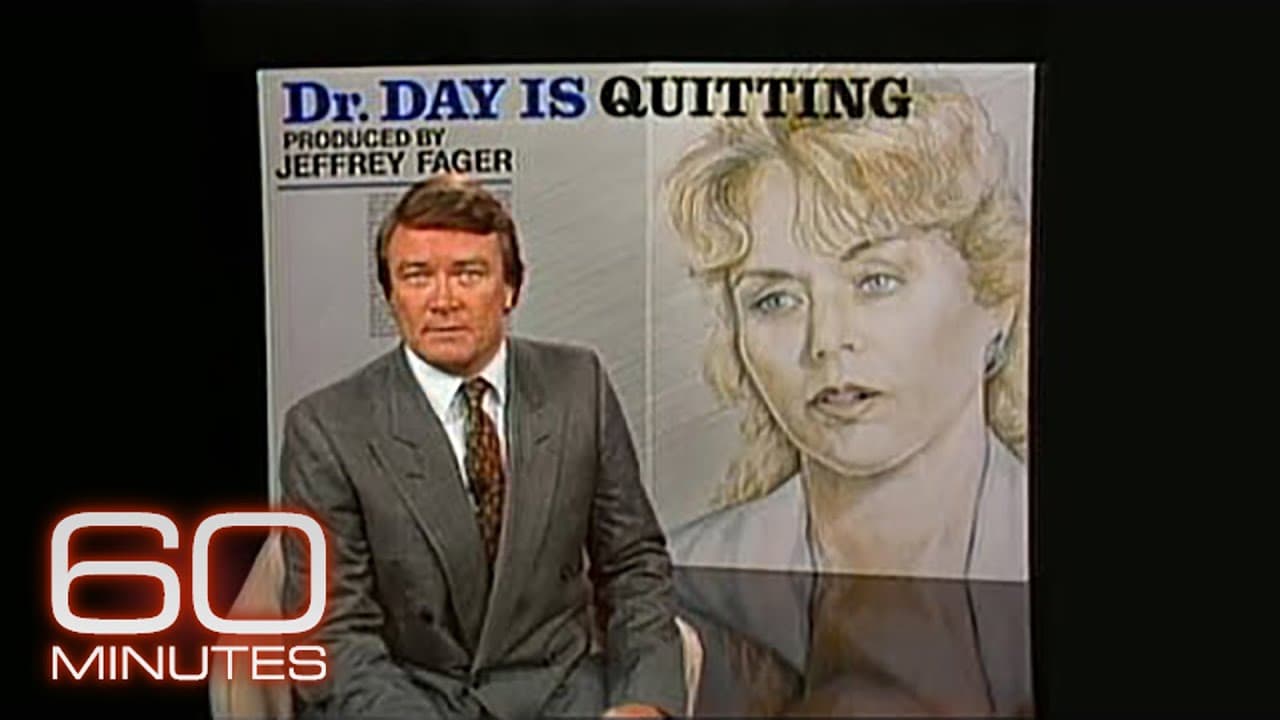
Steve Kroft's first 60 Minutes piece
TL;DR
Despite a low documented infection rate, healthcare workers are facing significant risks of AIDS infection, causing fear and concerns within the medical profession.
Transcript
60 minutes rewind the effects of the AIDS epidemic on the healthcare system are just beginning to be felt if there's a shortage of hospital beds for people with AIDS is well known what's not well known is that there may soon be a shortage of doctors and nurses to treat people with AIDS the plain fact is one out of five of the teaching hospitals in ... Read More
Key Insights
- 😨 One out of five teaching hospitals in the US has reported staff members quitting due to fears of contracting AIDS.
- 🤨 Dr. Lorraine Day is a prominent advocate for healthcare workers, raising awareness about the risks of AIDS infection and criticizing the medical establishment for downplaying the threat.
- 💉 Needle stick injuries are common in hospitals, especially for healthcare workers treating AIDS patients.
- 😷 There is disagreement within the medical community about the level of risk healthcare workers face and how it should be addressed.
- 💋 The CDC acknowledges that healthcare workers with a high number of needle sticks and cuts during surgery have a considerable risk of infection.
- 🧑⚕️ Dr. Day believes that more testing, both for healthcare workers and hospital patients, is necessary to address the issue effectively.
- 🧑⚕️ The perception that healthcare workers' risk of AIDS infection is low is disputed by both Dr. Day and some healthcare workers.
Install to Summarize YouTube Videos and Get Transcripts
Explore YouTube Video Summarizer or Get YouTube Transcript Extractor
Questions & Answers
Q: Why are healthcare workers quitting their jobs due to fears of AIDS infection?
Healthcare workers are quitting their jobs because they feel that the risk of contracting AIDS from treating AIDS-infected patients is too high. They are concerned about their own health and safety.
Q: Is there a shortage of doctors and nurses to treat people with AIDS?
Yes, there is a potential shortage of doctors and nurses who are willing to treat people with AIDS due to fears of contracting the virus. This could have a significant impact on the healthcare system's ability to provide care to AIDS patients.
Q: How common are needle stick injuries in hospitals?
Needle stick injuries are quite common, especially in hospitals that deal with AIDS patients. Healthcare workers, particularly those working in high-risk areas, are frequently at risk of getting stuck with needles containing contaminated blood.
Q: What is the Centers for Disease Control's (CDC) stance on the risk of AIDS infection for healthcare workers?
The CDC acknowledges that healthcare workers who have a substantial number of needle sticks and cuts during surgery have a considerable potential for infection. However, they maintain that the overall occupational risk of acquiring HIV in a healthcare setting is low.
Summary & Key Takeaways
-
One out of five teaching hospitals in the US has reported staff members quitting due to fears of contracting AIDS.
-
Dr. Lorraine Day, a surgeon and university professor, has been advocating for healthcare workers to be aware of the risks of AIDS infection and criticizing the medical establishment for downplaying the threat.
-
There is disagreement within the medical community about the level of risk and how it should be addressed, with some viewing Dr. Day as an alarmist.
Read in Other Languages (beta)
Share This Summary 📚
Summarize YouTube Videos and Get Video Transcripts with 1-Click
Try YouTube Summary with ChatGPT & Claude or YouTube Transcript Generator
Explore More Summaries from 60 Minutes 📚




Summarize YouTube Videos and Get Video Transcripts with 1-Click
Try YouTube Summary with ChatGPT & Claude or YouTube Transcript Generator