How to Lose Belly Fat After 40: Hormones & Strategies
TL;DR
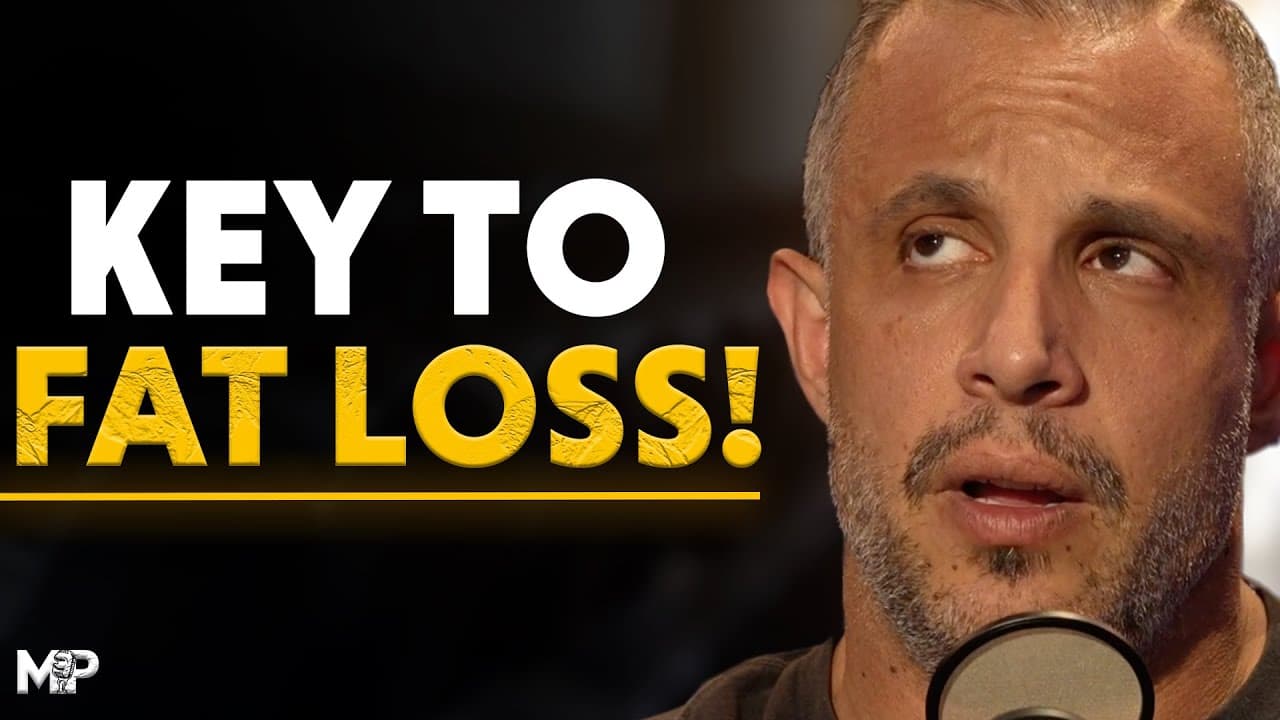
To effectively lose belly fat after 40, focus on managing hormone imbalances, particularly cortisol and insulin resistance, which play a significant role in fat distribution. Strength training, proper sleep, stress management, and a diet rich in whole foods are essential. Hormone replacement therapy can also be considered for those over 40 experiencing persistent issues, but it should be combined with a healthy lifestyle for optimal results.
Transcript
if you're over 40 and noticing that you're gaining more belly fat than normal you're not going to lose it unless you do this you guys want to guess what we're talking about here yeah you know uh when it comes to Fat gain fat loss we'll just open with this um you know there's a there's a there's a basic truth right to lose weight or gain weight that... Read More
Key Insights
- Hormone imbalances, particularly high cortisol and insulin resistance, contribute to increased belly fat after 40.
- Strength training, good sleep, and stress management are crucial for managing hormone levels and reducing belly fat.
- A diet high in protein and whole foods supports hormone balance and fat loss.
- Hormone replacement therapy can be an effective option for those over 40 but should be combined with a healthy lifestyle.
- Visceral fat is more common in the belly and is influenced by hormones; managing insulin and cortisol is key.
- Men and women may store fat differently due to hormonal imbalances, such as estrogen dominance in men.
- Consistent exercise and healthy eating can reduce the need for hormone replacement therapy.
- Poor lifestyle choices, even with hormone therapy, can negate the benefits and potentially cause harm.
Install to Summarize YouTube Videos and Get Transcripts
Explore YouTube Video Summarizer or Get YouTube Transcript Extractor
Questions & Answers
Q: How can hormone imbalances lead to increased belly fat after 40?
Hormone imbalances, particularly high cortisol levels and insulin resistance, play a significant role in increasing belly fat after the age of 40. Cortisol, a stress hormone, can lead to visceral fat accumulation, which is more commonly stored in the belly. Insulin resistance can also exacerbate fat storage in this area. Addressing these imbalances through lifestyle changes and potentially hormone replacement therapy can help reduce belly fat.
Q: What lifestyle changes can help manage hormone levels and reduce belly fat?
To manage hormone levels and reduce belly fat, it's important to engage in regular strength training, ensure adequate sleep, manage stress effectively, and maintain a diet rich in whole foods and high in protein. These lifestyle changes can help balance hormones like cortisol and insulin, which are crucial for reducing visceral fat in the belly area. Consistent exercise and healthy eating habits are key components of this approach.
Q: When is hormone replacement therapy recommended for reducing belly fat?
Hormone replacement therapy is recommended for individuals over 40 who experience persistent hormone imbalances despite making lifestyle changes. It can be particularly beneficial for those struggling with issues like estrogen dominance or low testosterone levels, which can contribute to belly fat. However, it should be combined with a healthy lifestyle, including regular exercise and a balanced diet, to maximize its effectiveness and improve overall quality of life.
Q: What role does diet play in managing hormone levels and belly fat?
Diet plays a crucial role in managing hormone levels and reducing belly fat. A diet rich in whole foods, particularly high in protein, supports hormone balance and aids in fat loss. Consuming a variety of nutrients helps maintain insulin sensitivity and reduces cortisol levels, which are essential for managing fat distribution. Avoiding processed foods and focusing on natural, nutrient-dense options can significantly impact hormone health and belly fat reduction.
Q: How does strength training impact hormone levels and belly fat?
Strength training positively impacts hormone levels by increasing muscle mass, which in turn improves insulin sensitivity and reduces cortisol levels. These hormonal changes help decrease visceral fat storage, particularly in the belly area. Additionally, strength training boosts metabolism and supports overall fat loss, making it a key component in managing hormone levels and reducing belly fat after 40.
Q: Why is managing stress important for reducing belly fat?
Managing stress is crucial for reducing belly fat because stress triggers the release of cortisol, a hormone that promotes visceral fat accumulation, particularly in the belly. Chronic stress can lead to consistently high cortisol levels, exacerbating fat storage in this area. Effective stress management techniques, such as mindfulness, meditation, and regular physical activity, can help lower cortisol levels and support belly fat reduction.
Q: What are the potential risks of hormone replacement therapy?
While hormone replacement therapy can offer significant benefits, it also carries potential risks, especially if not combined with a healthy lifestyle. In an unhealthy context, increasing hormone levels may exacerbate existing health issues or lead to new ones. It's important to undergo thorough testing and work with a specialist to tailor therapy to individual needs, ensuring it complements a balanced diet and regular exercise for optimal results.
Q: How can poor sleep impact hormone levels and belly fat?
Poor sleep can significantly impact hormone levels, leading to increased belly fat. Lack of quality sleep disrupts the balance of hormones like cortisol and insulin, promoting fat storage in the belly area. Consistently poor sleep can also impair muscle recovery and growth, making it harder to lose fat and maintain a healthy weight. Prioritizing good sleep hygiene is essential for managing hormones and reducing belly fat effectively.
Summary & Key Takeaways
-
To lose belly fat effectively after the age of 40, it's crucial to address hormone imbalances, especially cortisol and insulin resistance, which affect fat distribution. Engaging in regular strength training, ensuring adequate sleep, and managing stress are vital strategies. A diet rich in whole foods and high in protein supports these efforts.
-
Hormone replacement therapy can be a viable option for those who struggle with hormone imbalances, but it should be used in conjunction with a healthy lifestyle. This approach can lead to significant improvements in quality of life, including better energy levels, improved sleep, and increased muscle gain.
-
It's important to focus on a balanced approach to health, as poor lifestyle choices can undermine the benefits of hormone therapy. Managing hormones naturally through lifestyle changes is often the first step, with therapy as a supportive measure when necessary.
Read in Other Languages (beta)
Share This Summary 📚
Summarize YouTube Videos and Get Video Transcripts with 1-Click
Try YouTube Summary with ChatGPT & Claude or YouTube Transcript Generator
Explore More Summaries from Mind Pump Show 📚




Summarize YouTube Videos and Get Video Transcripts with 1-Click
Try YouTube Summary with ChatGPT & Claude or YouTube Transcript Generator