The Art of Letting Go: A Complete Guide To Embracing Stoicism And Minimalism
TL;DR
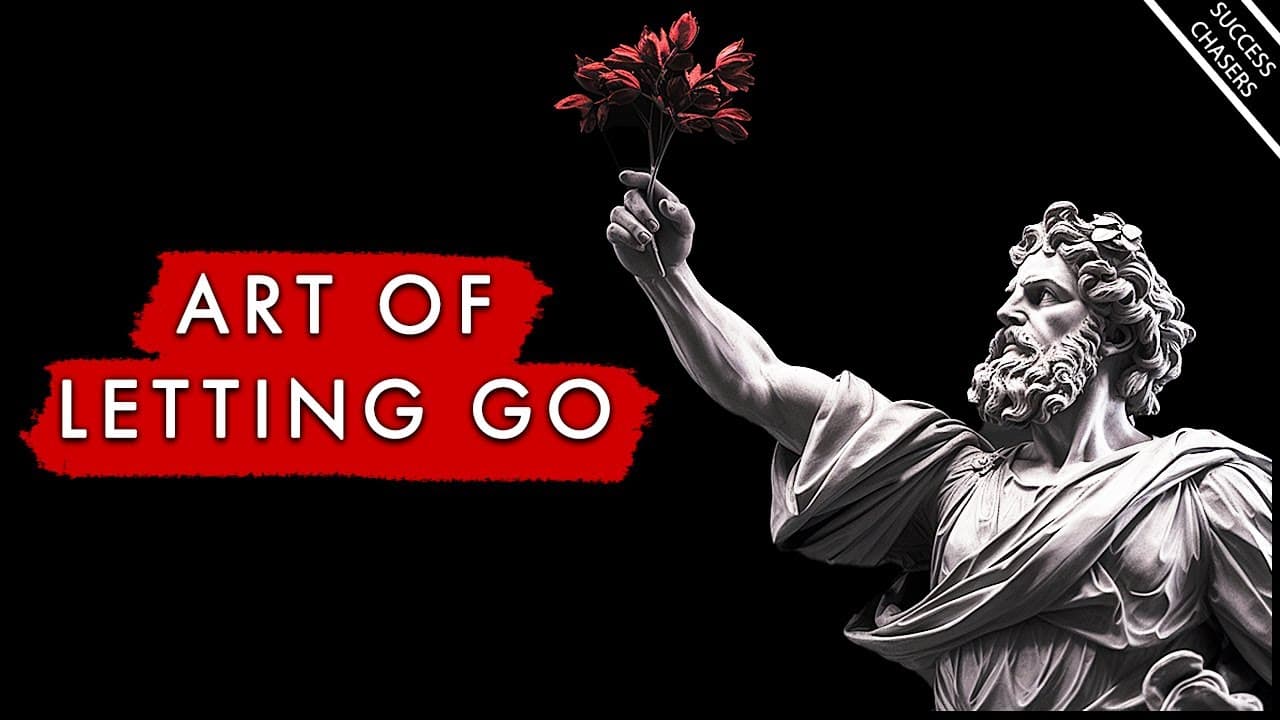
Discover how minimalism and stoicism, two philosophies born centuries apart, converge to guide individuals towards a more meaningful, purposeful, and contented life.
Transcript
imagine waking up in a Serene space where every item you own has a purpose and a place your mind is clear and your heart is light now imagine facing the storms of life with an unwavering Spirit knowing that the only things you can control are your thoughts and actions these seemingly utopian ideas are not Out Of Reach but at the heart of minimalism... Read More
Key Insights
- 🌍 Minimalism and stoicism are two philosophies that converge on the path to a meaningful life. They both emphasize the importance of letting go, whether it's physical clutter or emotional burdens. (Introduction)
- 🎨 Minimalism originated as an art movement in the mid-20th century, emphasizing simplicity and objectivity. It has now evolved into a lifestyle that focuses on stripping away the unnecessary and fostering relationships and experiences that bring value. (Minimalism) ⏳ Stoicism took root in ancient Athens around the 3rd Century BC. It teaches the development of self-control, rationality, and virtue as means to achieve a contented life. Stoics focus on what is in their control and detach from what is not. (Stoicism)
- 🔑 The key insight is that the thread that binds minimalism and stoicism together is the art of letting go. Both philosophies emphasize simplicity and detachment as a way to find freedom, purpose, and contentment. (Connection between Minimalism and Stoicism)
- 💡 Practical ways to integrate minimalism into daily life include decluttering physical spaces, being intentional with consumption, and focusing on quality over quantity. (Practical Minimalism)
- 💡 To incorporate stoicism in decision-making and reactions, practice the dichotomy of control, reflect on values, and embrace mindfulness and self-reflection. Stoicism helps navigate adversity and find growth in challenges. (Practical Stoicism)
- ✨ By integrating minimalism and stoicism, individuals can create a life that is focused, intentional, and in alignment with their values. It's important to recognize that these philosophies are not prescriptive, but rather flexible tools for personal growth and fulfillment. (Balancing Minimalism and Stoicism)
- 💡 Eastern philosophies such as Buddhism, Taoism, Hinduism, and Confucianism share similarities with minimalism and stoicism. Concepts like balance, moderation, mindfulness, and non-attachment resonate with both Eastern and Western philosophies. (Parallels with Eastern Philosophies)
- 📚 The integration of these philosophies is an ongoing journey of self-discovery and intentionality. It's not about reaching a specific destination but embracing the wisdom and practicality they offer in shaping a more meaningful and contented life. (Integration and ongoing journey)
Install to Summarize YouTube Videos and Get Transcripts
Explore YouTube Video Summarizer or Get YouTube Transcript Extractor
Questions & Answers
Q: How can minimalism and stoicism help individuals lead a more meaningful life?
Minimalism and stoicism provide frameworks for individuals to let go of excess, focus on what truly matters, and cultivate a life of intentionality, contentment, and virtue. By decluttering physical and mental spaces, individuals can create room for growth, clarity, and purpose, leading to a more fulfilling existence.
Q: How can minimalism benefit people financially?
Minimalism encourages intentional and mindful consumption, focusing on quality over quantity. By reducing unnecessary spending on material possessions, individuals can save money, reduce debt, and have the financial freedom to pursue experiences and passions that truly add value to their lives.
Q: How does stoicism help individuals cope with adversity?
Stoicism teaches individuals to differentiate between what is within their control and what is not. By focusing on what they can control, such as their thoughts, reactions, and decisions, individuals can maintain equanimity and resilience in the face of adversity. Stoicism also emphasizes seeing challenges as opportunities for growth and reflection, rather than misfortunes.
Q: Are minimalism and stoicism accessible to everyone?
While certain aspects of minimalism and stoicism may be easier to adopt for those in more stable financial situations, the core principles can be empowering for individuals across socioeconomic backgrounds. Minimalism is about making the most of what one has and finding contentment in simplicity, regardless of the quantity of possessions. Stoicism, too, can be practiced by anyone, as it focuses on cultivating a rational and virtuous mind, which does not depend on material wealth. Both philosophies can be adapted to suit individual circumstances and preferences.
Summary & Key Takeaways
-
Minimalism and stoicism are philosophies that aim to simplify, let go of excess, and focus on what truly matters in life.
-
Minimalism focuses on decluttering physical spaces and making intentional choices about what brings value and meaning.
-
Stoicism emphasizes rationality, controlling reactions, and pursuing virtue as the key to contentment and happiness.
Read in Other Languages (beta)
Share This Summary 📚
Summarize YouTube Videos and Get Video Transcripts with 1-Click
Try YouTube Summary with ChatGPT & Claude or YouTube Transcript Generator
Explore More Summaries from SUCCESS CHASERS 📚


Summarize YouTube Videos and Get Video Transcripts with 1-Click
Try YouTube Summary with ChatGPT & Claude or YouTube Transcript Generator