What Is Open Innovation? Insight: Ideas for Change with Henry Chesbrough
TL;DR
Open innovation means using external ideas and technologies in an organization’s innovation work while allowing others to use its unused internal ideas and technologies. Henry Chesbrough explains how this approach can reduce costs, save time, share risk, generate royalties, and make research and development more economically sustainable. Read on to understand its outside-in and inside-out models, pharmaceutical applications, and cultural requirements.
Transcript
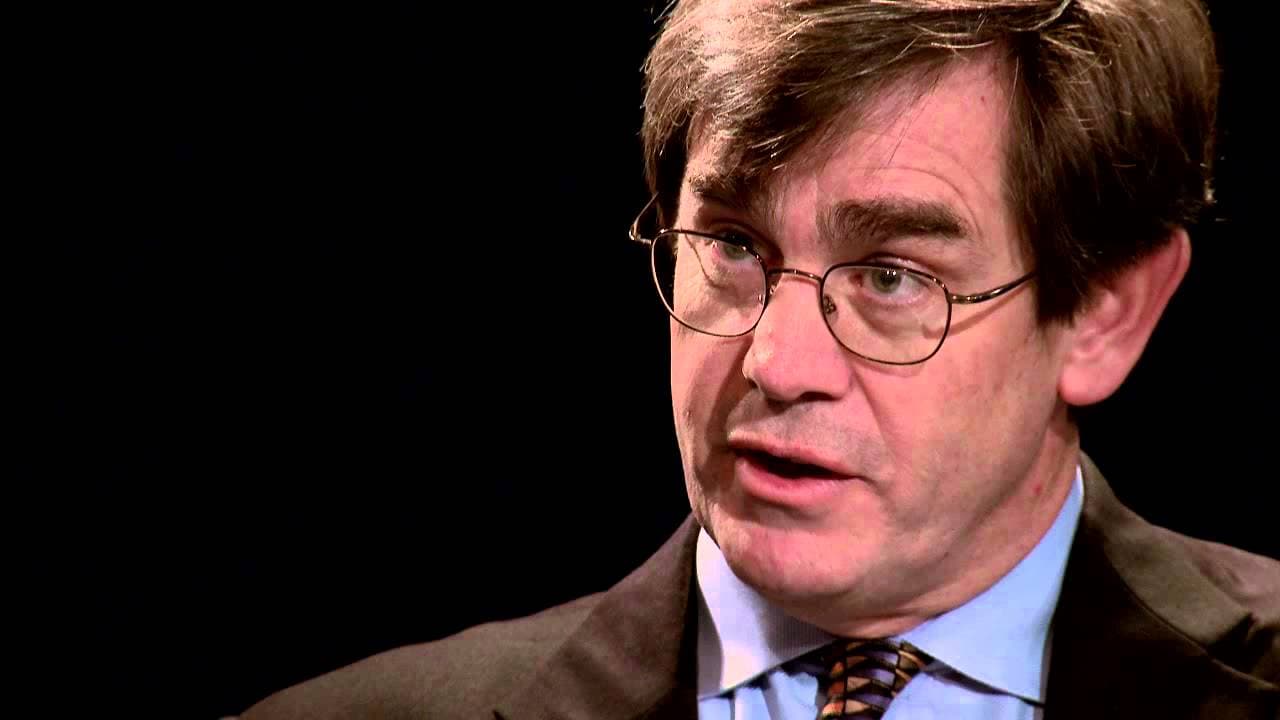
welcome to this session to discuss an Insight an idea with Henry chesboro my name is sumitra professor at NCR Henry welcome oh thank you you're best known for the discussion around open Innovation and perhaps even the father of open Innovation so can you perhaps just explain what does open innovation mean so open innovation in very briefly would be... Read More
Key Insights
- 🤗 Open innovation reduces costs by utilizing external resources and starting at an advanced stage of development.
- 🥳 Sharing ideas and technologies externally can create value chains and stimulate various parts of the ecosystem.
- 🤗 Open innovation can lead to research and development becoming economically sustainable.
- 🈺 The pharmaceutical industry needs to embrace open innovation to overcome challenges with the traditional business model.
- 🤗 Cultural change and mindset shift are necessary for successful implementation of open innovation.
- ❓ Reward systems and talent management practices should be adapted to recognize and celebrate external contributions.
- 🤗 Open innovation has been more widely accepted in the outside-in aspect, while the inside-out aspect is still underdeveloped.
- 🈺 Open source and open innovation share similarities but differ in terms of the associated business models.
Install to Summarize YouTube Videos and Get Transcripts
Explore YouTube Video Summarizer or Get YouTube Transcript Extractor
Questions & Answers
Q: What is open innovation according to Henry Chesbrough?
Open innovation means organizations make much greater use of external ideas and technologies in their own innovation activities. It also means allowing unused internal ideas and technologies to go outside so others can use them.
Q: What are the outside-in benefits of open innovation?
Outside-in innovation can reduce costs because a company leverages other contributors and pays only for the part it uses. It can also save time by starting with ideas or technologies that have already reached a certain level of demonstration and testing.
Q: What are the inside-out benefits of open innovation?
Sharing internal ideas can help construct value chains involving suppliers, the company, downstream distribution, and final consumers. A company may also earn royalties when others use its technologies in areas it would not reach on its own.
Q: How can open innovation make research and development more sustainable?
Open innovation allows technologies to be used by businesses beyond the company that developed them. This can generate royalties and broaden participation in the technology’s value, making research and development more economically sustainable.
Q: How can open innovation help the pharmaceutical industry?
Chesbrough says pharmaceutical research and development spending is rising while the number of new compounds produced is falling. Open innovation addresses this by replacing an entirely internal journey from laboratory to market with more of a relay race involving external contributors.
Q: Is open innovation the same as outsourcing research and development?
No. Chesbrough says open innovation is not about outsourcing research and development to someone else; it is about leveraging external people and mechanisms to enhance internal capabilities. This can improve efficiency and effectiveness in cost, time, and risk sharing.
Q: What cultural change does open innovation require?
Organizations must begin with the recognition that not all smart people work for them. Instead of feeling threatened, they should enable their own people to find, collaborate with, and leverage capable people outside the organization.
Q: Which part of open innovation is more widely adopted: outside-in or inside-out?
Chesbrough says the outside-in part has been much more accepted by organizations since his book appeared in April 2003. The inside-out part, which involves allowing internal ideas and technologies to be used externally, remains comparatively underdeveloped.
Summary & Key Takeaways
-
Open innovation involves utilizing external ideas and technologies while allowing unused internal ideas to be used by others.
-
The outside-in benefits include cost reduction, time savings, and the ability to start at a more advanced stage.
-
The inside-out benefits include constructing value chains, earning royalties, and making research and development more economically sustainable.
Read in Other Languages (beta)
Share This Summary 📚
Summarize YouTube Videos and Get Video Transcripts with 1-Click
Try YouTube Summary with ChatGPT & Claude or YouTube Transcript Generator
Explore More Summaries from World Economic Forum 📚
Summarize YouTube Videos and Get Video Transcripts with 1-Click
Try YouTube Summary with ChatGPT & Claude or YouTube Transcript Generator