How to Reconnect with Earth's Ecosystems
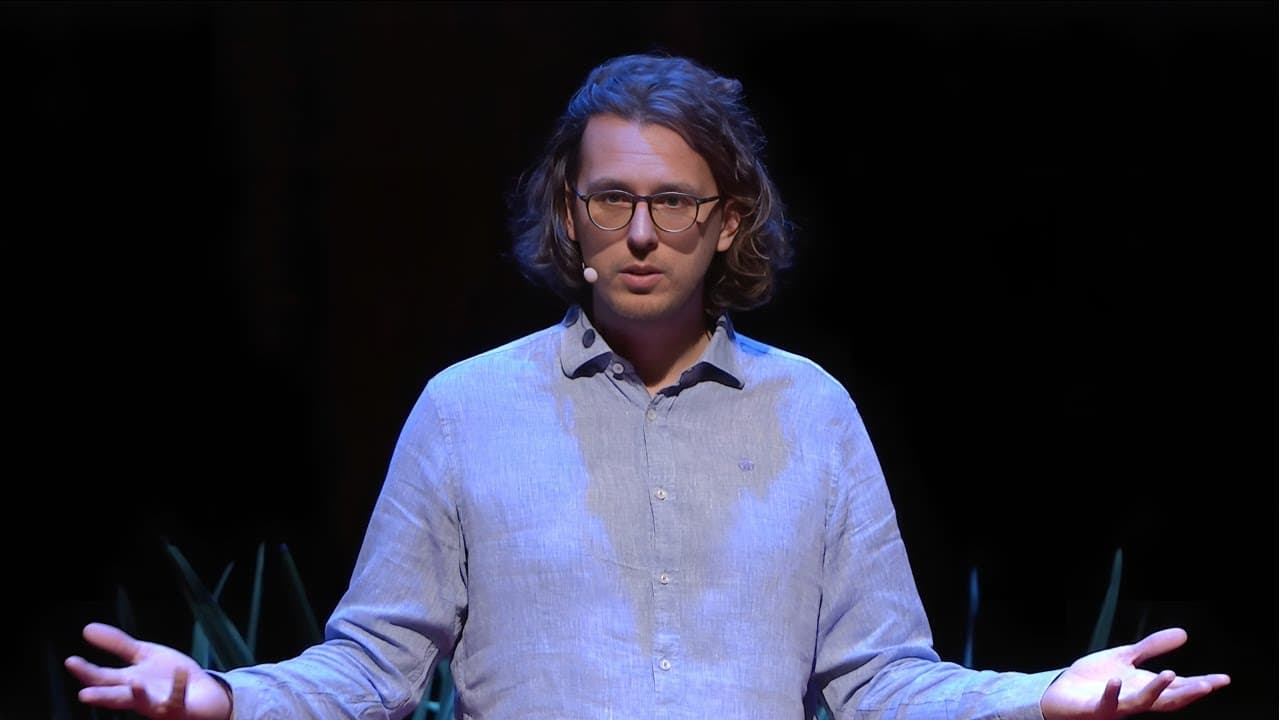
TL;DR
Humans can live in harmony with nature by adopting indigenous practices and mindsets that view humans as a keystone species. By fostering intimate relationships with the Earth, we can transform our societies from exploitative to regenerative, contributing positively to the planet's ecosystems.
Transcript
who of you has seen the film Avatar in case you haven't seen it or don't remember the plot it's about the indigenous Navi people living on the planet of Pandora they live in tune with nature on this beautiful planet when greedy humans AR in spaceships on the horizon ready to exploit the planet's natural resources Avatar is one of the most successfu... Read More
Key Insights
- Post-Avatar depression highlights a longing for a life in harmony with nature.
- The Kogi people have preserved ancient practices that regenerate land sustainably.
- Indigenous practices demonstrate humans can enhance biodiversity and ecosystem health.
- Fire management by Australian Aborigines prevents wildfires and enriches soil.
- Emotional conflict resolution in Kogi communities prevents environmental destruction.
- The hoal practice in Europe integrated livestock into forests, enhancing biodiversity.
- Beliefs about humans as dominators create exploitative cultures and societies.
- Viewing humans as a keystone species fosters regenerative relationships with Earth.
Install to Summarize YouTube Videos and Get Transcripts
Explore YouTube Video Summarizer or Get YouTube Transcript Extractor
Questions & Answers
Q: How can humans live in harmony with nature?
Humans can live in harmony with nature by adopting indigenous practices and mindsets that view humans as a keystone species. This involves fostering intimate relationships with the Earth, learning from indigenous communities, and transforming our societies from exploitative to regenerative, contributing positively to the planet's ecosystems.
Q: What is the significance of the Kogi people's practices?
The Kogi people's practices are significant because they demonstrate sustainable living in harmony with nature. They have preserved ancient methods that regenerate land quickly and maintain biodiversity. Their practices, such as conflict resolution and ecosystem management, offer valuable insights into creating regenerative societies that positively impact the environment.
Q: How do indigenous fire management practices benefit ecosystems?
Indigenous fire management practices, such as those used by Australian Aborigines, benefit ecosystems by preventing large-scale wildfires and enriching the soil. By regularly igniting low-temperature fires, they remove excess vegetation and dry grass, creating fertile soil and promoting biodiversity through varied plant succession stages.
Q: What role do humans play as a keystone species?
As a keystone species, humans can play a vital role in ecosystems by enhancing biodiversity and ecosystem health. By adopting practices that foster intimate relationships with the Earth, humans can contribute to the regeneration of ecosystems, creating societies that are not only sustainable but also regenerative and beneficial to the planet.
Q: How can emotional conflict resolution prevent environmental harm?
Emotional conflict resolution, as practiced by the Kogi, prevents environmental harm by addressing and resolving conflicts before they escalate. This practice fosters community harmony and prevents destructive behaviors that could lead to environmental degradation. It highlights the importance of emotional health in maintaining sustainable relationships with the environment.
Q: What is the hoal practice and its impact on ecosystems?
The hoal practice involves moving livestock into forests to feed on natural foods, loosening the soil, and fertilizing it. This practice enhances biodiversity by allowing rare plants to grow and reduces the need for external feed sources. It demonstrates how traditional agricultural practices can integrate with natural ecosystems to promote environmental health.
Q: How do beliefs about human roles impact cultural practices?
Beliefs about human roles significantly impact cultural practices. Cultures that view humans as dominators create exploitative societies, while those seeing humans as keystone species foster regenerative relationships with the Earth. These foundational beliefs shape societal structures, influencing how communities interact with and impact their environments.
Q: Why do people experience Post-Avatar depression?
People experience Post-Avatar depression because the film Avatar depicts a harmonious life with nature that contrasts with modern exploitative lifestyles. This longing for connection with the environment highlights a deep-seated desire to live sustainably and in tune with the Earth, reflecting a disconnect between current societal practices and innate human values.
Summary & Key Takeaways
-
Humans can live in balance with nature by adopting indigenous practices and mindsets. The Kogi people, among others, demonstrate how humans can positively impact ecosystems, such as through controlled burning and conflict resolution. By viewing ourselves as a keystone species, we can transform our societies from exploitative to regenerative.
-
Indigenous practices worldwide illustrate how humans can enhance biodiversity and ecosystem health. For example, Australian Aborigines use fire management to prevent wildfires, while the Kogi resolve conflicts to prevent environmental harm. These practices emerge from a deep connection with nature, which modern societies can learn from.
-
Transforming our relationship with Earth involves shifting from a mindset of domination to one of partnership. By fostering intimate relationships with the Earth, we can create societies that contribute positively to the planet. This approach aligns with the indigenous view of humans as a keystone species, essential for thriving ecosystems.
Read in Other Languages (beta)
Share This Summary 📚
Summarize YouTube Videos and Get Video Transcripts with 1-Click
Try YouTube Summary with ChatGPT & Claude or YouTube Transcript Generator
Explore More Summaries from TEDx Talks 📚




Summarize YouTube Videos and Get Video Transcripts with 1-Click
Try YouTube Summary with ChatGPT & Claude or YouTube Transcript Generator