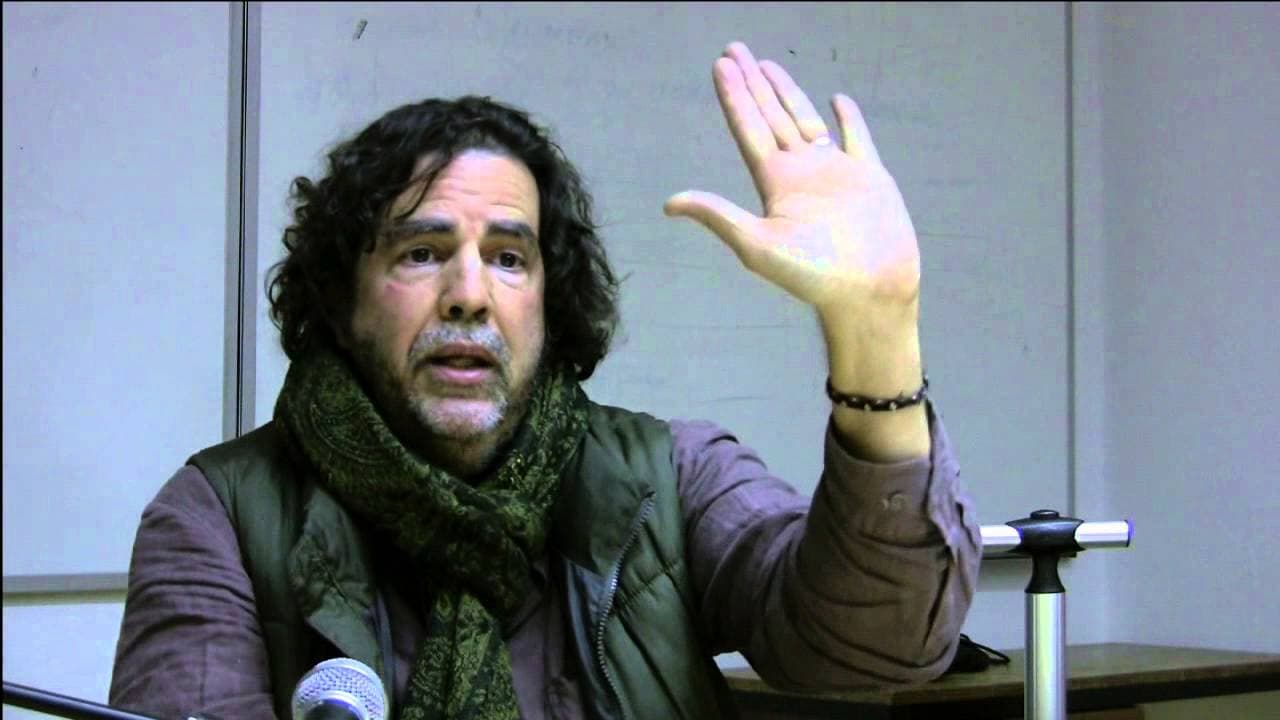
Ramón Grosfoguel decolonial methods, epistemologies of the South and Fanonian philosophy2-2
TL;DR
Discussion on decolonial theory and Western epistemic dominance.
Transcript
Read and summarize the transcript of this video on Glasp Reader (beta).
Key Insights
- The lecture is a collaboration between the decolonial group and the Laboratory for Critical Europeanisation Research, emphasizing the importance of diverse perspectives in decolonial theory.
- Ramon Grosfoguel highlights the dominance of Western male thought from five countries in shaping global academic canons, questioning the exclusion of non-Western perspectives.
- The concept of the 'Westernized University' is introduced, critiquing its global power structure and its perpetuation of racist and sexist epistemic foundations.
- Grosfoguel traces the roots of Western epistemic dominance to the late 15th century, linking it to the Spanish conquest and the imposition of a singular religious identity.
- The lecture explores the historical processes that led to the marginalization of non-Western knowledge systems, including the burning of libraries and the genocide of indigenous peoples.
- The Cartesian philosophy of 'I think, therefore I am' is critiqued as a product of colonial conquest and genocide, reflecting a Eurocentric worldview.
- Grosfoguel argues that modern Western epistemology is inherently racist and sexist, privileging a narrow demographic as the sole bearers of rationality.
- The presentation calls for a re-evaluation of what constitutes legitimate knowledge, advocating for the inclusion of diverse global perspectives in academic discourse.
Install to Summarize YouTube Videos and Get Transcripts
Explore YouTube Video Summarizer or Get YouTube Transcript Extractor
Questions & Answers
Q: What is the main focus of Ramon Grosfoguel's lecture?
The main focus of Ramon Grosfoguel's lecture is to critique the dominance of Western male thought in shaping global academic canons and to highlight the exclusion of non-Western perspectives. He discusses the concept of the 'Westernized University' as a global structure of power that perpetuates racist and sexist epistemic foundations, calling for a re-evaluation of what constitutes legitimate knowledge.
Q: How does Grosfoguel describe the 'Westernized University'?
Grosfoguel describes the 'Westernized University' as a global structure of power that is not limited to Europe but is a world problem. It is characterized by a Canon of thought grounded fundamentally on the thinking of males from five Western countries. This structure perpetuates a narrow view of knowledge, excluding diverse global perspectives and reinforcing racist and sexist epistemic foundations.
Q: What historical processes does Grosfoguel link to the marginalization of non-Western knowledge?
Grosfoguel links the marginalization of non-Western knowledge to historical processes such as the Spanish conquest and the imposition of a singular religious identity. He highlights the burning of libraries in Andalusia and the Americas, the genocide of indigenous peoples, and the destruction of diverse knowledge systems as key events that contributed to the dominance of Western epistemic frameworks.
Q: How does Grosfoguel critique Cartesian philosophy?
Grosfoguel critiques Cartesian philosophy, particularly the notion of 'I think, therefore I am,' as a product of colonial conquest and genocide. He argues that it reflects a Eurocentric worldview that emerged from the historical context of extermination and domination. This philosophy is seen as an expression of imperial power, privileging a narrow demographic as the sole bearers of rationality and excluding diverse perspectives.
Q: What does Grosfoguel suggest about modern Western epistemology?
Grosfoguel suggests that modern Western epistemology is inherently racist and sexist, as it privileges a narrow demographic, specifically Western males, as the sole bearers of rationality. This epistemic framework excludes the knowledge and experiences of non-Western peoples and women, reinforcing a Eurocentric worldview. He advocates for the inclusion of diverse global perspectives in academic discourse to challenge this dominance.
Q: What is the significance of the collaboration between the decolonial group and the Laboratory for Critical Europeanisation Research?
The collaboration between the decolonial group and the Laboratory for Critical Europeanisation Research is significant because it brings together individuals from diverse backgrounds with a shared interest in decolonial theory and anti-colonial methodology. This partnership emphasizes the importance of integrating multiple perspectives to challenge dominant narratives and foster a more inclusive understanding of knowledge production.
Q: How does Grosfoguel view the role of history in shaping epistemic dominance?
Grosfoguel views history as a crucial factor in shaping epistemic dominance, particularly through events like the Spanish conquest and the imposition of a singular religious identity. He argues that these historical processes have led to the marginalization of non-Western knowledge systems and the entrenchment of a Eurocentric worldview. By examining these historical roots, he calls for a critical re-evaluation of what constitutes legitimate knowledge.
Q: What does Grosfoguel propose as a solution to the dominance of Western epistemology?
Grosfoguel proposes that to address the dominance of Western epistemology, there must be a re-evaluation of what constitutes legitimate knowledge. This involves challenging the narrow frameworks that privilege Western male thought and advocating for the inclusion of diverse global perspectives. By recognizing and valuing non-Western epistemologies, academia can become more inclusive and reflective of the world's diverse intellectual traditions.
Summary & Key Takeaways
-
Ramon Grosfoguel's lecture critiques the dominance of Western male thought in academic canons, highlighting the exclusion of diverse global perspectives. He introduces the concept of the 'Westernized University' as a global power structure perpetuating racist and sexist epistemologies.
-
The lecture traces the roots of Western epistemic dominance to the Spanish conquest and the imposition of a singular religious identity. Grosfoguel links the marginalization of non-Western knowledge systems to historical processes such as the burning of libraries and genocide.
-
Grosfoguel critiques Cartesian philosophy as a product of colonial conquest, reflecting a Eurocentric worldview. He argues that modern Western epistemology is inherently racist and sexist, calling for the inclusion of diverse global perspectives in academic discourse.
Read in Other Languages (beta)
Share This Summary 📚
Summarize YouTube Videos and Get Video Transcripts with 1-Click
Try YouTube Summary with ChatGPT & Claude or YouTube Transcript Generator