Returning to Butler - One Year Later - What have we learned?
TL;DR
Detailed analysis of the Butler assassination attempt and its aftermath.
Transcript
Read and summarize the transcript of this video on Glasp Reader (beta).
Key Insights
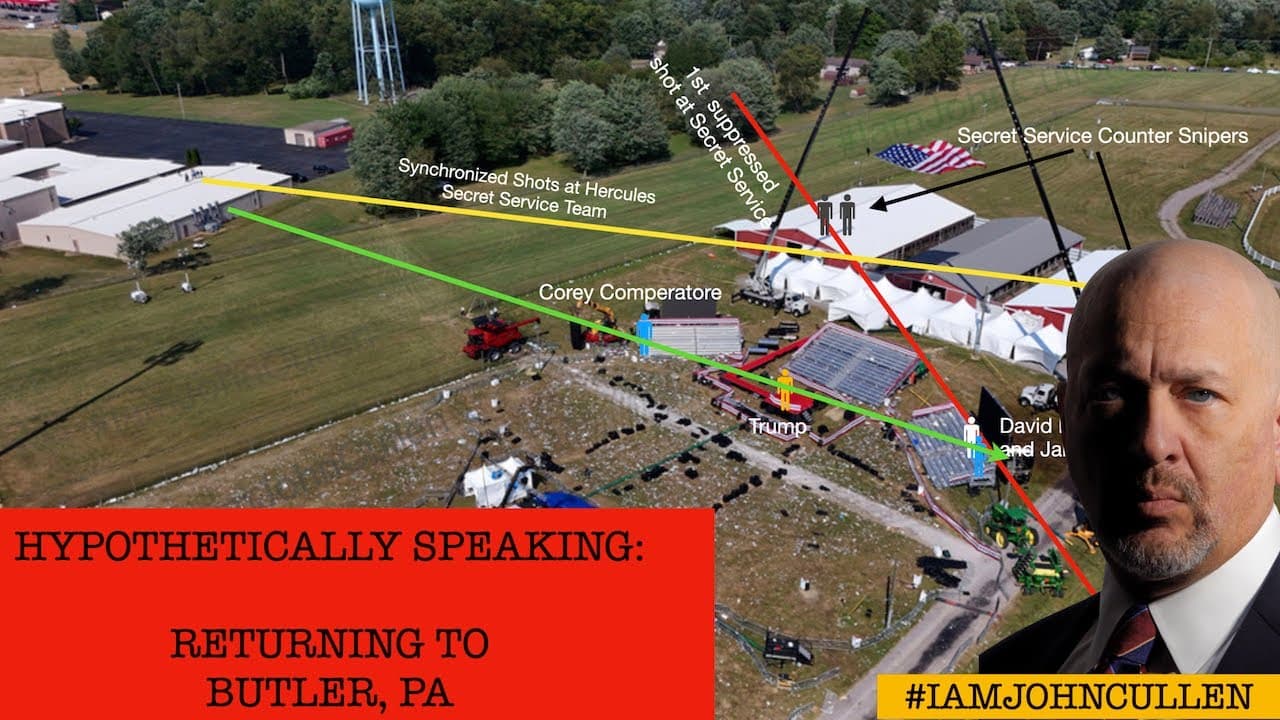
- The pivotal piece of evidence in the Butler assassination attempt is the bullet hitting the railing, which significantly impacts the trajectory analysis.
- The alignment of the 3D model with video footage is crucial to understanding the shooting's geometry and potential shooter locations.
- Testimonies from witnesses and victims provide conflicting accounts, raising questions about the number of shooters and their positions.
- The role of suppressed gunfire is considered, possibly explaining why only one gunshot was heard despite multiple impacts.
- The involvement of multiple agencies and the complexity of the scene contribute to the challenges in determining the exact sequence of events.
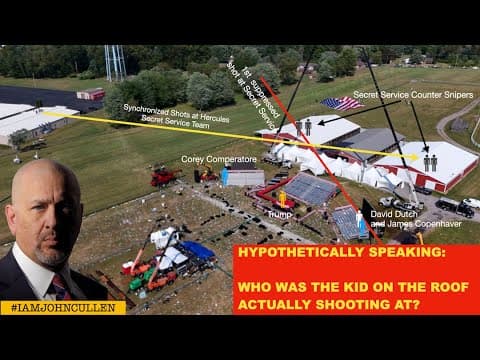
- The analysis questions the official narrative, suggesting the possibility of additional shooters targeting Secret Service counter snipers.
- The document and video analysis reveal discrepancies and potential biases in the information presented by various sources.
- The limited hangout technique is suggested as a method to control the narrative by overwhelming with information while omitting critical analyses.
Install to Summarize YouTube Videos and Get Transcripts
Explore YouTube Video Summarizer or Get YouTube Transcript Extractor
Questions & Answers
Q: What is the key piece of evidence in the Butler assassination attempt?
The key piece of evidence is the bullet that hit the back of the railing. This is considered pivotal because it influences the understanding of the shooting's geometry and suggests potential shooter locations, which are crucial for reconstructing the event.
Q: How does the 3D model contribute to the analysis?
The 3D model is aligned with video footage to verify the geometry of the shooting scene. It helps validate or challenge the official narrative by showing whether the bullet trajectories align with the reported shooter positions, thereby testing the accuracy of the accounts provided.
Q: What are the conflicting accounts from witnesses and victims?
Witnesses and victims provide varying accounts of the number of shots heard and the timing of impacts. Some testimonies suggest suppressed gunfire, which could explain why fewer shots were heard than impacts observed, raising questions about the number of shooters involved.
Q: What role does suppressed gunfire play in the analysis?
Suppressed gunfire is considered a factor because it might account for the discrepancy between the number of shots heard and the multiple impacts observed. This suggests the possibility of additional shooters using suppressed weapons to target Secret Service agents, complicating the narrative.
Q: Why is the involvement of multiple agencies significant?
The involvement of multiple agencies, including Secret Service, FBI, and local law enforcement, adds complexity to the scene. It introduces challenges in communication and coordination, potentially leading to discrepancies in the reporting and understanding of the event.
Q: How does the analysis challenge the official narrative?
The analysis challenges the official narrative by questioning the number of shooters and the direction of gunfire. It suggests that additional shooters may have targeted counter snipers, which is not fully accounted for in the official reports, thus raising doubts about the completeness of the narrative.
Q: What discrepancies are found in the document and video analysis?
Discrepancies include omissions of critical analyses, such as those by John Cullen and Jason Goodman, which suggest alternative shooter scenarios. The documents and videos may present a selective narrative by including certain sources while excluding others that offer differing perspectives.
Q: What is the 'limited hangout' technique mentioned?
The 'limited hangout' technique involves overwhelming the audience with a large volume of information while selectively omitting critical analyses that could challenge the official narrative. This method controls the narrative by focusing on certain details and downplaying or ignoring others that might contradict the preferred story.
Summary & Key Takeaways
-
The analysis focuses on the Butler assassination attempt, examining evidence such as the bullet striking the railing and its implications on shooter positioning.
-
Testimonies and video footage are scrutinized to explore the possibility of multiple shooters and the use of suppressed gunfire during the incident.
-
The discussion highlights potential biases in available documents and videos, suggesting a controlled narrative through selective information dissemination.
Read in Other Languages (beta)
Share This Summary 📚
Summarize YouTube Videos and Get Video Transcripts with 1-Click
Try YouTube Summary with ChatGPT & Claude or YouTube Transcript Generator
Explore More Summaries from John E Hoover 📚

Summarize YouTube Videos and Get Video Transcripts with 1-Click
Try YouTube Summary with ChatGPT & Claude or YouTube Transcript Generator