How I Trained for a 100k Run
TL;DR
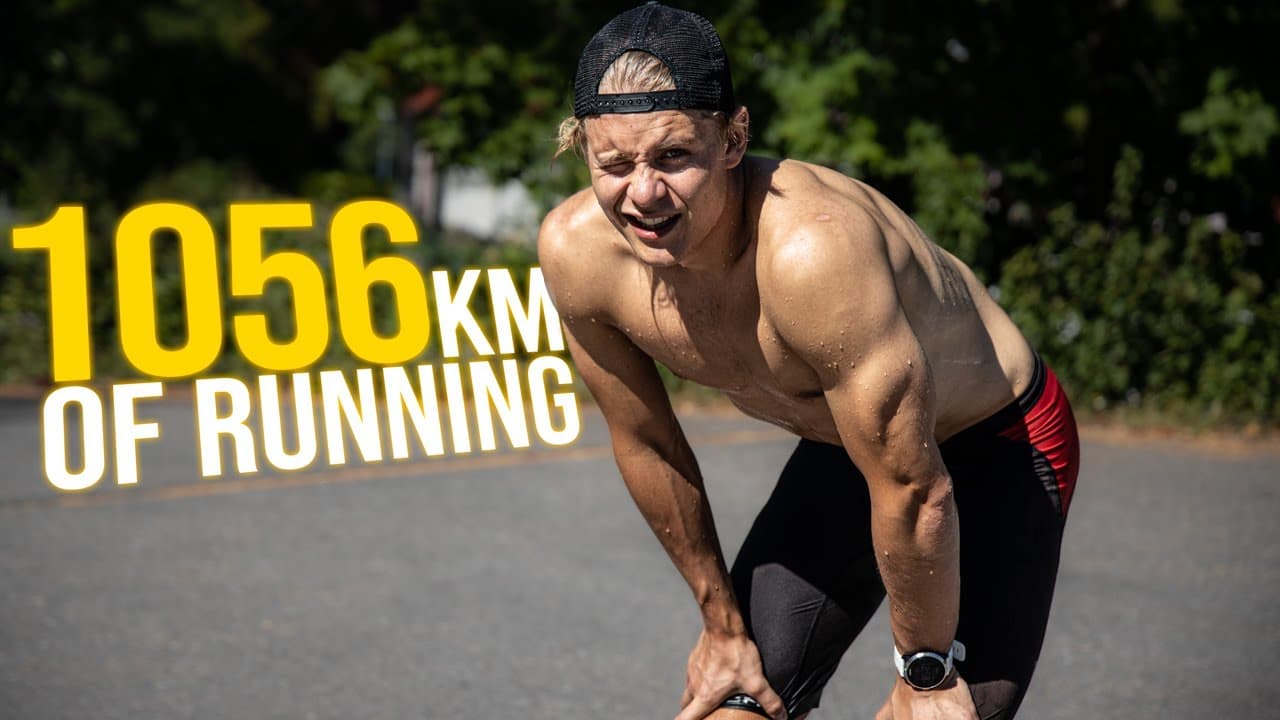
This video provides an overview of the training phases and challenges faced while preparing for a 100k run, emphasizing the importance of base endurance and adjusting training plans to individual capabilities.
Transcript
so [Applause] [Laughter] so if you've ever wondered what it takes to run a 100k run this video gives you the answer because i'm gonna go through exactly how i trained for my first 100k run wow and that was first take by the way how do you like my uh my sleepers i thought that you know now that we live in sweden i got to have the the right slippers ... Read More
Key Insights
- ♂️ Running a 100k race requires proper training and preparation, regardless of previous endurance activities.
- 📅 The training period for the 100k run was approximately six months, starting in January and ending in July.
- ⚖️ Training was divided into different phases, including a "messing around" phase, easy running phase, speed training phase, and specific 100k run training phase.
- ♂️ Strength training was incorporated alongside running training, contributing to overall fitness and endurance.
- 📉 The training plan was not strictly followed, with some deviation due to external factors such as skiing trips and kayaking adventures.
- 🕒 Tapering, which involves reducing training volume to increase freshness, was not executed perfectly due to other non-running activities.
- 👌 Despite not adhering to the optimal training plan, completing a 100k run is still doable with a solid base endurance and commitment to training.
- 💪 Training for a longer duration, progressively increasing volume over a couple of years, can lead to a more enjoyable race experience compared to a shorter training period.
Install to Summarize YouTube Videos and Get Transcripts
Explore YouTube Video Summarizer or Get YouTube Transcript Extractor
Questions & Answers
Q: How important is base endurance for preparing for a 100k run?
Base endurance is crucial for 100k run preparation as it provides a foundation that allows individuals to tackle high volume training and endure the race. Without a solid base, training and race performance may suffer, leading to increased fatigue and risk of injury.
Q: What are the different phases of training mentioned in the video?
The three phases of training discussed in the video include an initial "messing around" phase, a period focused on building base endurance, and a phase dedicated to speed training before the 100k run. Each phase serves a specific purpose in preparing the body for the demands of the race.
Q: How did the speaker adjust their sleep schedule for a midnight start of the 100k run?
The speaker attempted to adjust their sleep schedule gradually, waking up earlier each day until eventually waking up at midnight. However, this approach did not work effectively, and the speaker found that most runners participate in runs starting at midnight without adjusting their sleep schedules drastically.
Q: Did the speaker follow their training plan strictly for the 100k run?
No, the speaker did not strictly adhere to the training plan prescribed in the books they used as references. Instead, they adjusted the volume to what they could handle and incorporated other activities like biking, bouldering, and swimming. However, they emphasize the importance of gradually building volume and following a personalized plan for better enjoyment and performance in the race.
Q: What challenges did the speaker face during their long training runs?
During the long training runs, the speaker experienced small twinges, general fatigue, and tiredness before, during, and after the runs. This suggests that they may have been overreaching or overtraining, indicating the need for better training management and listening to the body's signals.
Q: How much of the prescribed training volume did the speaker complete for the 100k run?
The speaker completed approximately 62% of the prescribed training volume, running 415 kilometers out of the 671 kilometers in the 10-week period leading up to the race. They attribute this to not aiming for the full prescribed volume and engaging in other cross-training activities. Nonetheless, they emphasize that finishing a 100k run is achievable with a good base endurance and moderate training.
Summary & Key Takeaways
-
The content discusses the speaker's fitness background, including various endurance activities like swimming, cycling, and ski touring.
-
The training journey is divided into three phases: an initial "messing around" phase, followed by building base endurance, and then focusing on speed training before the 100k run.
-
The speaker highlights the challenges faced during training, such as maintaining a high volume, dealing with fatigue, and adjusting sleep schedules, and concludes by emphasizing the significance of base endurance and personalized training plans.
Read in Other Languages (beta)
Share This Summary 📚
Summarize YouTube Videos and Get Video Transcripts with 1-Click
Try YouTube Summary with ChatGPT & Claude or YouTube Transcript Generator
Explore More Summaries from The Unlazy Way 📚

Summarize YouTube Videos and Get Video Transcripts with 1-Click
Try YouTube Summary with ChatGPT & Claude or YouTube Transcript Generator