How to Use 3-Word English Expressions
TL;DR
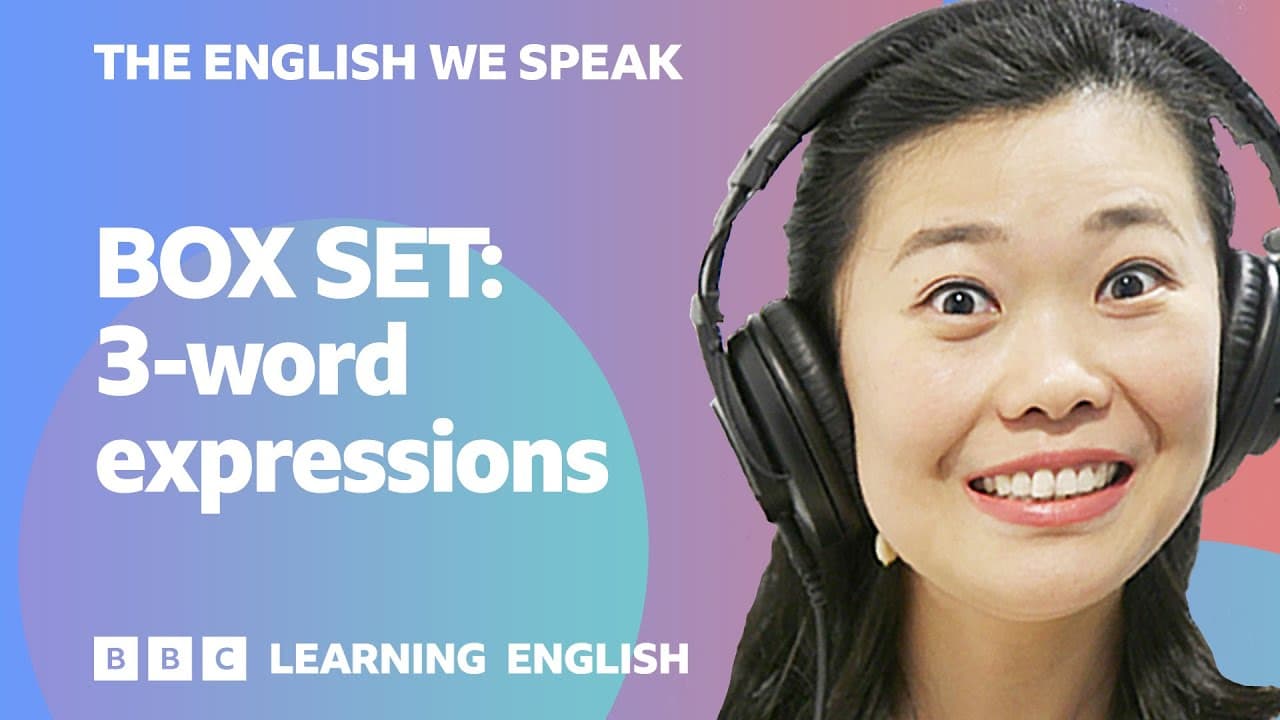
Learn 10 common three-word English expressions in just 23 minutes. Each expression is explained with examples to help you understand and use them in real-life contexts. This video is a great resource for improving your English vocabulary and speaking skills.
Transcript
Hello this is The English We Speak with me Feifei and joining me is Rob. Hello Rob. Hello. Now, I was thinking. You always start the programme. It's never me. That's right, I have always started the programme. That's the way I like it. Really? And you always introduce the examples. I do Rob, it's just the way I like to do it and I know what's best.... Read More
Key Insights
- 'You do you' means to do your own thing and not be influenced by others.
- 'Not gonna lie' is used to introduce an honest statement, often before something boastful or critical.
- 'Bang on about' means to talk about something repeatedly and annoyingly.
- 'Left on read' describes when someone reads a message but doesn't reply.
- 'All that jazz' means 'and so on' or 'other similar things', often used to add humor.
- 'So done with' expresses irritation and boredom with a task you don't want to do.
- 'Rub it in' means to repeatedly mention something someone wants to forget.
- 'Running on fumes' describes having no energy but continuing to push through.
Install to Summarize YouTube Videos and Get Transcripts
Explore YouTube Video Summarizer or Get YouTube Transcript Extractor
Questions & Answers
Q: How to use 'you do you' in a sentence?
'You do you' is used to encourage someone to follow their own path or make their own decisions without being influenced by others. For example, if a friend is unsure about a decision, you might say, 'You do you; trust your instincts and do what feels right for you.'
Q: What does 'not gonna lie' mean?
'Not gonna lie' is a phrase used to preface an honest statement, often when the speaker wants to be straightforward about something positive or negative. It can be used to express pride or criticism, such as 'Not gonna lie, I think I'm the best cook in the family.'
Q: When to use 'bang on about'?
'Bang on about' is used when someone talks excessively about a topic to the point of annoyance. It implies that the speaker is going on and on about something. For example, 'He kept banging on about his new car, and it got really tiresome after a while.'
Q: What does 'left on read' mean?
'Left on read' refers to the situation where someone reads a message but doesn't respond. It can imply that the person is ignoring the message or simply forgot to reply. For example, 'I sent her a text yesterday, and she left me on read, so I don't know if she's coming.'
Q: How to use 'all that jazz'?
'All that jazz' is used to refer to additional similar things or activities, often with a humorous or dismissive tone. It is typically used after listing items. For example, 'We need to buy groceries, clean the house, do the laundry, and all that jazz.'
Q: What does 'so done with' mean?
'So done with' expresses a strong feeling of frustration or boredom with something, usually a task or situation. It indicates that the person has had enough. For example, 'I'm so done with this job; it's time to find something new and exciting.'
Q: How to use 'rub it in'?
'Rub it in' is used when someone keeps reminding another person of something they would rather forget, often to tease or annoy them. For example, 'I know I failed the test, you don't have to rub it in by mentioning it every time we meet.'
Q: What does 'running on fumes' mean?
'Running on fumes' describes a state where someone has very little energy left but continues to push through. It can also refer to a device operating with minimal resources. For example, 'After working all night, I'm running on fumes and need a nap.'
Summary & Key Takeaways
-
The video explains the meaning and usage of 10 three-word English expressions, providing examples to illustrate their use in everyday conversation. Each segment focuses on a specific phrase, such as 'you do you' or 'not gonna lie', making it easy to understand and apply.
-
Expressions like 'bang on about' and 'left on read' are explained with relatable scenarios, helping viewers grasp the context in which these phrases are used. The video is designed to enhance vocabulary and improve English speaking skills.
-
The compilation offers a comprehensive guide to common English expressions, perfect for learners looking to expand their vocabulary and improve conversational skills. With clear explanations and examples, viewers can easily incorporate these phrases into their daily language use.
Read in Other Languages (beta)
Share This Summary 📚
Summarize YouTube Videos and Get Video Transcripts with 1-Click
Try YouTube Summary with ChatGPT & Claude or YouTube Transcript Generator
Explore More Summaries from BBC Learning English 📚
Summarize YouTube Videos and Get Video Transcripts with 1-Click
Try YouTube Summary with ChatGPT & Claude or YouTube Transcript Generator