How to Effectively Do HIIT for Fat Loss
TL;DR
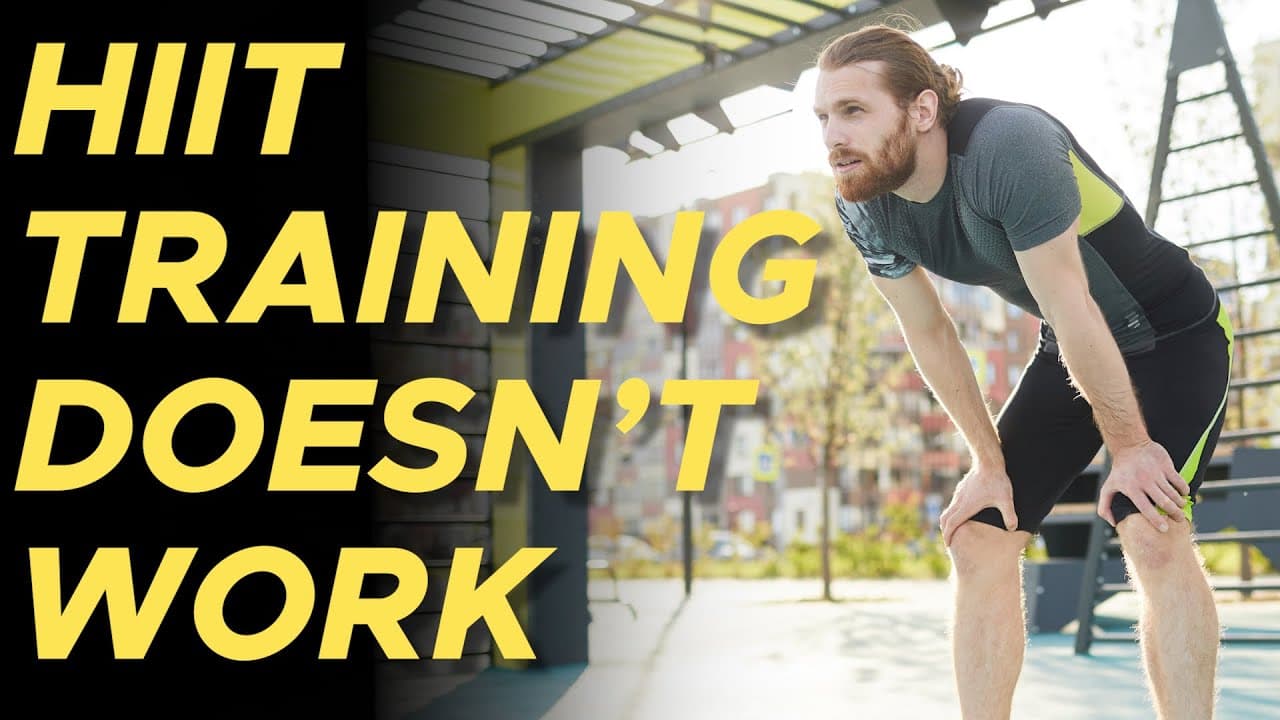
HIIT training, when done correctly, is highly effective for short-term fat loss. However, most people misuse it, leading to suboptimal results and potential injury. Proper programming, perfect form, rest periods, and a focus on mobility are crucial for maximizing benefits and minimizing risks.
Transcript
hit training sucks it just doesn't work you know why nobody does it right okay so here's the thing hit training done properly is incredible for fat loss especially in the short terms very fast acting very effective but almost nobody does it right so here's what we're gonna do today we're gonna give away maps hit to when you lucky viewers now this i... Read More
Key Insights
- HIIT is highly effective for fast fat loss but is often done incorrectly.
- Proper programming is crucial for effective HIIT training.
- Perfect form is essential to maximize benefits and reduce injury risk.
- Rest periods are important to maintain form and effectiveness.
- Plyometrics should be applied properly to avoid injury.
- Phasing the program ensures continuous progress and avoids plateaus.
- Mobility focus helps in recovery and reduces injury risk.
- Beginners should start with beginner-level HIIT to avoid overtraining.
Install to Summarize YouTube Videos and Get Transcripts
Explore YouTube Video Summarizer or Get YouTube Transcript Extractor
Questions & Answers
Q: How to properly do HIIT training?
To properly do HIIT training, focus on programming that makes sense, ensuring exercises flow logically. Maintain perfect form during exercises and use rest periods effectively to compose yourself for the next set. Avoid using plyometrics just to induce fatigue; they should be applied to improve explosive ability. Additionally, incorporate mobility exercises to support joint health and recovery.
Q: Why is form important in HIIT training?
Form is crucial in HIIT training because it maximizes the effectiveness of each exercise and minimizes the risk of injury. Poor form can lead to ineffective workouts and increase the likelihood of injuries, especially given the high-intensity nature of HIIT. Maintaining perfect form ensures that you are targeting the correct muscles and getting the most out of your workout.
Q: What role do rest periods play in HIIT?
Rest periods in HIIT allow you to recover sufficiently to maintain perfect form in subsequent exercises. They are not as long as traditional resistance training but are essential to ensure that you can perform each exercise effectively. Proper rest periods also help in maintaining heart rate variability, which is a key benefit of HIIT training.
Q: How should plyometrics be used in HIIT?
Plyometrics in HIIT should be used to improve explosive ability and not just to make you tired. They should be performed with focus and composure, ensuring that you are not fatigued, as this can lead to poor form and increased injury risk. Plyometrics should be reserved for those who have the necessary strength and stability to perform them safely.
Q: Why is phasing important in HIIT programming?
Phasing in HIIT programming is important because it prevents plateaus and ensures continuous progress. By focusing on different themes or adaptations, such as strength or power, the body is consistently challenged and continues to adapt. Shorter phases are recommended for HIIT due to its high intensity, ensuring that the body does not become overtrained or injured.
Q: What is the benefit of focusing on mobility in HIIT?
Focusing on mobility in HIIT helps in maintaining joint health and reducing the risk of injuries. Mobility exercises support recovery by improving flexibility and range of motion, which are often compromised due to the high intensity of HIIT workouts. Incorporating mobility into your routine ensures that your body can handle the stresses of HIIT effectively.
Q: Why should beginners start with beginner-level HIIT?
Beginners should start with beginner-level HIIT to ensure they are training at an appropriate intensity for their fitness level. Starting too advanced can lead to overtraining, poor form, and increased risk of injury. By beginning at a lower intensity, beginners can gradually build their fitness and progress through more challenging levels safely.
Q: How does HIIT compare to traditional cardio?
HIIT is more effective than traditional cardio for short-term fat loss because it combines cardiovascular training with resistance training elements, leading to more muscle sparing and efficient calorie burning. However, it requires proper form, programming, and rest periods to be effective, whereas traditional cardio is generally lower intensity and focuses on steady-state exercise.
Summary & Key Takeaways
-
HIIT training can be an incredible tool for fat loss when done correctly, focusing on proper programming and perfect form. However, it is often misused, leading to ineffective workouts and injuries. Incorporating rest periods and phasing the program appropriately can enhance results.
-
Plyometrics in HIIT should be used with caution, ensuring they are performed explosively and not just to induce fatigue. Mobility exercises are essential to maintain joint health and prevent injuries, especially given the high intensity of HIIT workouts.
-
Starting HIIT training at a beginner level is advisable to find the right balance between intensity and recovery. This approach ensures that the body progresses without hitting a plateau, maximizing the benefits of HIIT training while minimizing risks.
Read in Other Languages (beta)
Share This Summary 📚
Summarize YouTube Videos and Get Video Transcripts with 1-Click
Try YouTube Summary with ChatGPT & Claude or YouTube Transcript Generator
Explore More Summaries from Mind Pump Show 📚



Summarize YouTube Videos and Get Video Transcripts with 1-Click
Try YouTube Summary with ChatGPT & Claude or YouTube Transcript Generator