Learning over Content Consuming | Studying like a PhD
TL;DR
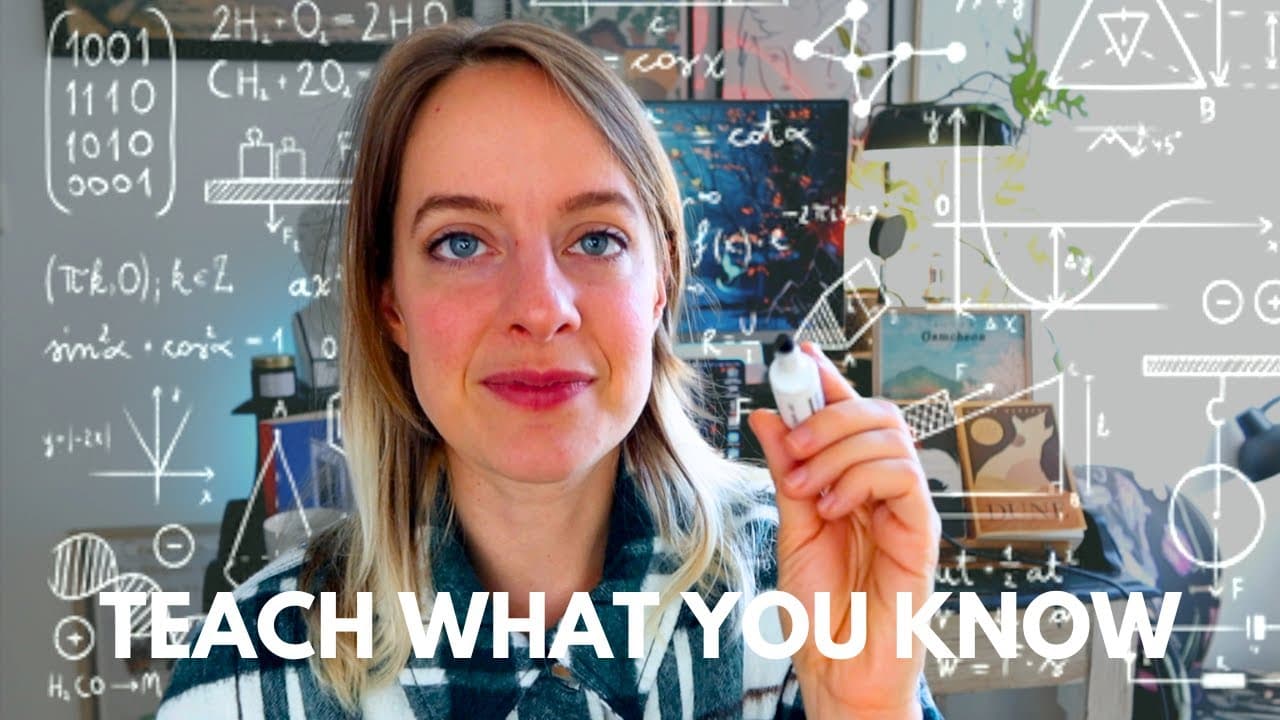
Focus on creation to enhance learning and retention.
Transcript
most of us spend a lot of time consuming content whether it's articles notes or lectures but the truth is we retain very little of it and we produce even less from what we have learned as students today we tend to absorve massive amounts of information passively we read we listen we watch but how often are we actually challenged to create s... Read More
Key Insights
- Active learning, such as creating and teaching, significantly improves knowledge retention compared to passive consumption like reading or listening.
- Reproducing concepts or arguments is essential for understanding and identifying knowledge gaps, leading to deeper learning.
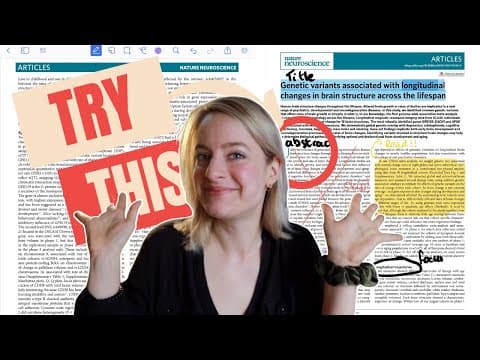
- Engaging with expert work helps build foundational knowledge, while critically analyzing their research can inspire new research questions.
- The Feynman Technique involves simplifying and teaching concepts to others, highlighting areas of incomplete understanding.
- Applying theoretical knowledge to real-world scenarios, such as case studies, solidifies understanding and maintains engagement.
- Creating a habit of note-taking and reflection after lectures enhances comprehension and long-term retention of information.
- Combining various learning resources, such as podcasts, papers, and lectures, enriches the learning process and provides diverse perspectives.
- Reading books related to your field can spark interest and provide momentum for continued learning and research.
Install to Summarize YouTube Videos and Get Transcripts
Explore YouTube Video Summarizer or Get YouTube Transcript Extractor
Questions & Answers
Q: What is the main focus of the video?
The main focus of the video is to emphasize the importance of active learning techniques, such as creating and teaching, to improve knowledge retention and understanding. The speaker discusses various methods, including the Feynman Technique and engaging with expert work, to help viewers internalize information more effectively.
Q: How does the speaker suggest improving knowledge retention?
The speaker suggests improving knowledge retention by engaging in active learning techniques, such as creating and teaching concepts. She emphasizes the importance of reproducing arguments, critically analyzing expert work, and applying knowledge to real-world scenarios to deepen understanding and identify knowledge gaps.
Q: What is the Feynman Technique and how is it used?
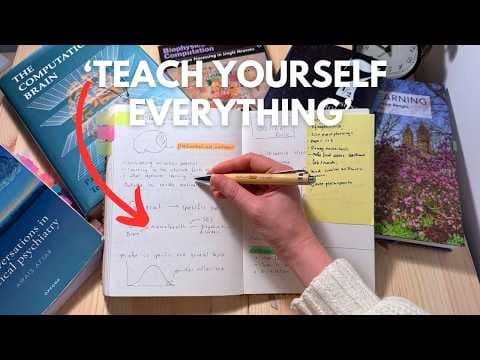
The Feynman Technique involves simplifying and teaching concepts to others, which helps identify areas of incomplete understanding. The speaker suggests writing down everything known about a topic, creating a mind map, and then teaching it to someone else, either out loud or mentally, to refine and clarify the understanding of the concept.
Q: How can engaging with expert work benefit learning?
Engaging with expert work helps build foundational knowledge and provides diverse perspectives on a topic. By critically analyzing their research, one can identify gaps and inspire new research questions. The speaker recommends consuming expert interviews, papers, and lectures as part of the learning process.
Q: What role do real-world scenarios play in learning?
Real-world scenarios help solidify theoretical knowledge by providing practical applications. The speaker suggests reading case studies or real-world examples related to one's field to better understand and apply learned concepts. This approach helps maintain engagement and interest in the subject matter.
Q: Why is note-taking and reflection important?
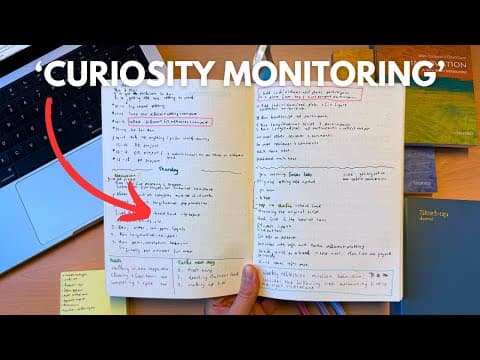
Note-taking and reflection are important because they enhance comprehension and long-term retention of information. The speaker recommends developing a habit of organizing thoughts and reflecting on what has been learned after lectures or lessons to reinforce understanding and identify areas needing further exploration.
Q: How can combining various learning resources enhance learning?
Combining various learning resources, such as podcasts, papers, and lectures, enriches the learning process by providing diverse perspectives and insights. The speaker suggests using tools like Notion to organize and synthesize information from different sources, leading to a more comprehensive understanding of the topic.
Q: What is the added benefit of reading books related to your field?
Reading books related to your field can spark interest and provide momentum for continued learning and research. The speaker mentions that books can offer new insights and perspectives, keeping learners engaged and motivated to explore and understand their subject matter more deeply.
Summary & Key Takeaways
-
The video emphasizes the importance of active learning techniques, such as creating and teaching, to improve knowledge retention and understanding. It suggests engaging with expert work and using the Feynman Technique to identify and fill knowledge gaps. Applying theoretical knowledge to real-world scenarios is also recommended.
-
The speaker shares methods used during her PhD to internalize information, including note-taking, reflection, and critical analysis of expert research. She highlights the value of combining various learning resources and applying learning to practical scenarios to solidify understanding.
-
The video encourages developing habits like note-taking and reflection to enhance comprehension. It also suggests reading books related to your field to maintain interest and momentum. The speaker shares personal experiences and techniques that have helped her succeed in her PhD studies.
Read in Other Languages (beta)
Share This Summary 📚
Summarize YouTube Videos and Get Video Transcripts with 1-Click
Try YouTube Summary with ChatGPT & Claude or YouTube Transcript Generator
Explore More Summaries from Charlotte Fraza 📚
Summarize YouTube Videos and Get Video Transcripts with 1-Click
Try YouTube Summary with ChatGPT & Claude or YouTube Transcript Generator