Making the Pharaoh's Serpent
TL;DR
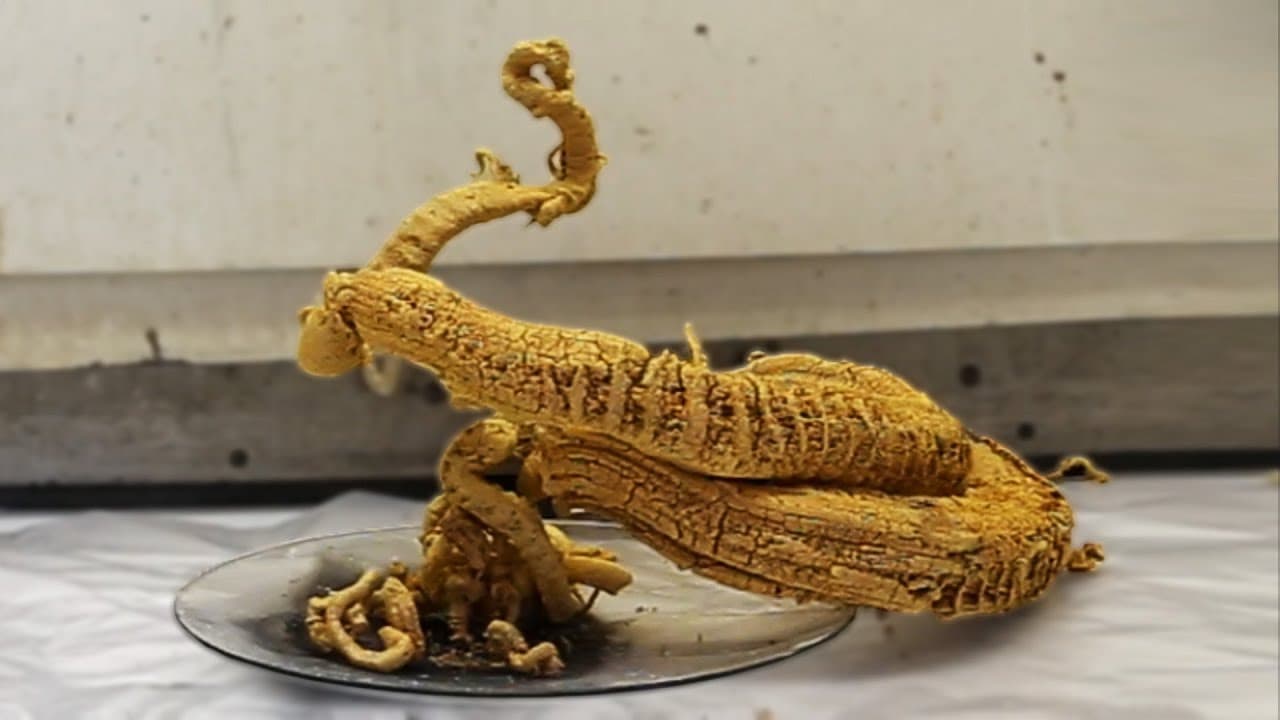
Mercury thiocyanate is a highly toxic compound that was once used in fireworks, but banned due to its toxicity.
Transcript
Mercury is extremely toxic, and even just small amounts can be detrimental to wildlife. Mercury thiocyanate was discovered in 1821 in Germany. Soon after its discovery, it became a publicly available firework in Germany known as the pharaoh's serpent. However, it was eventually banned due to its highly toxic nature. The compound itself is a highly ... Read More
Key Insights
- 🎆 Mercury thiocyanate is a highly toxic compound that was once used in fireworks.
- ❓ The production process of mercury thiocyanate involves reacting potassium thiocyanate, elemental mercury, and concentrated nitric acid.
- ❓ Igniting mercury thiocyanate produces various toxic compounds, including mercury(II) sulfide, carbon disulfide, carbon nitride, and sulfur dioxide.
- 🫢 The snake-like shape of the combustion product is primarily made up of carbon nitride, which contains trapped gases and is highly contaminated with mercury.
Install to Summarize YouTube Videos and Get Transcripts
Explore YouTube Video Summarizer or Get YouTube Transcript Extractor
Summary & Key Takeaways
-
Mercury thiocyanate was discovered in Germany in 1821 and was used in fireworks known as the pharaoh's serpent.
-
The compound is highly toxic and produces even more toxic compounds when combusted.
-
The production of mercury thiocyanate involves reacting potassium thiocyanate and elemental mercury with concentrated nitric acid.
Read in Other Languages (beta)
Share This Summary 📚
Summarize YouTube Videos and Get Video Transcripts with 1-Click
Try YouTube Summary with ChatGPT & Claude or YouTube Transcript Generator
Explore More Summaries from NileRed 📚
Summarize YouTube Videos and Get Video Transcripts with 1-Click
Try YouTube Summary with ChatGPT & Claude or YouTube Transcript Generator