Graphing the bell curve y=e^(-x^2), calculus tutorial
TL;DR
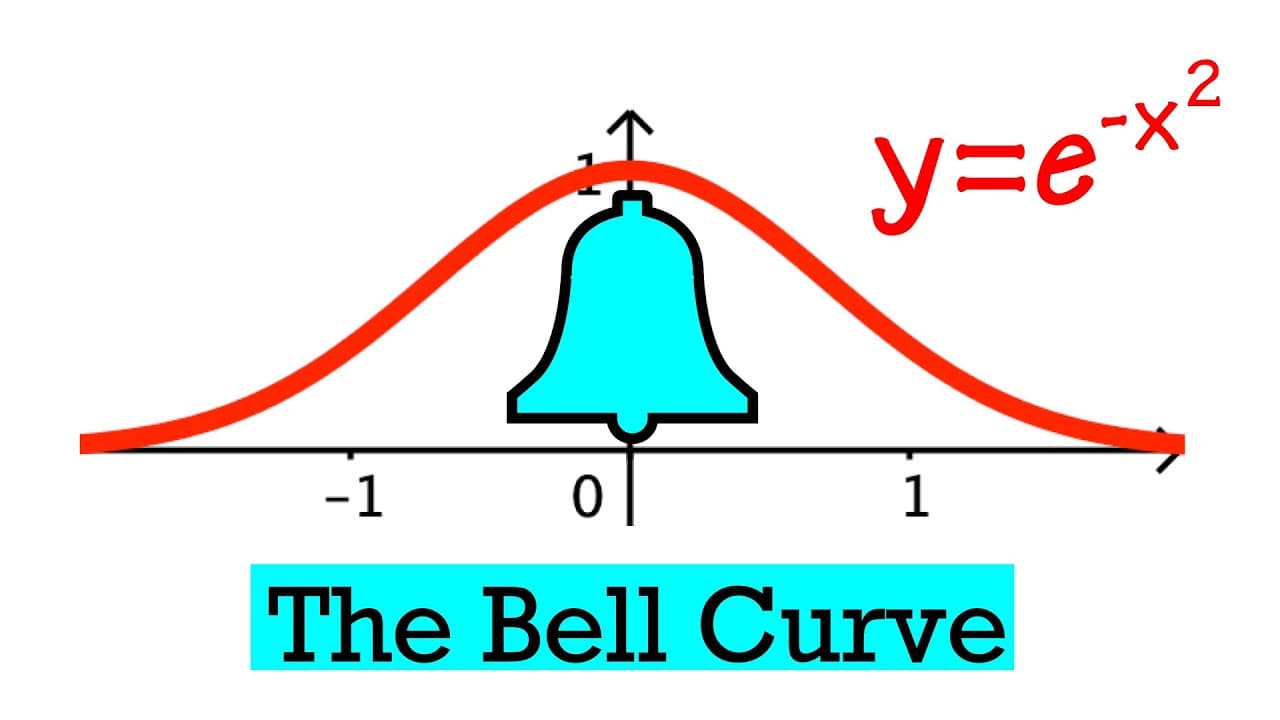
This video demonstrates how to graph the bell curve y=e^(-x^2), with an explanation of the Gaussian integral.
Transcript
We will graph the bell curve y=e^(-x^2). Note: the area under y=e^(-x^2) from -inf to inf is sqrt(pi). Check out the Gaussian integral video in the description for the solution. Read More
Key Insights
- 😀 The equation y=e^(-x^2) represents a bell curve or Gaussian curve.
- ❣️ Graphing the bell curve involves plotting points for various values of x and y and connecting them to form a smooth curve.
- ♾️ The area under the curve from negative infinity to positive infinity is equal to the square root of pi.
Install to Summarize YouTube Videos and Get Transcripts
Explore YouTube Video Summarizer or Get YouTube Transcript Extractor
Summary & Key Takeaways
-
The video teaches how to graph the equation y=e^(-x^2), which represents a bell curve.
-
It mentions that the area under the curve from negative infinity to positive infinity is equal to the square root of pi.
-
The video also recommends watching the Gaussian integral video in the description for further understanding.
Read in Other Languages (beta)
Share This Summary 📚
Summarize YouTube Videos and Get Video Transcripts with 1-Click
Try YouTube Summary with ChatGPT & Claude or YouTube Transcript Generator
Explore More Summaries from blackpenredpen 📚
Summarize YouTube Videos and Get Video Transcripts with 1-Click
Try YouTube Summary with ChatGPT & Claude or YouTube Transcript Generator