Getting started with AWS DynamoDB in .NET
TL;DR
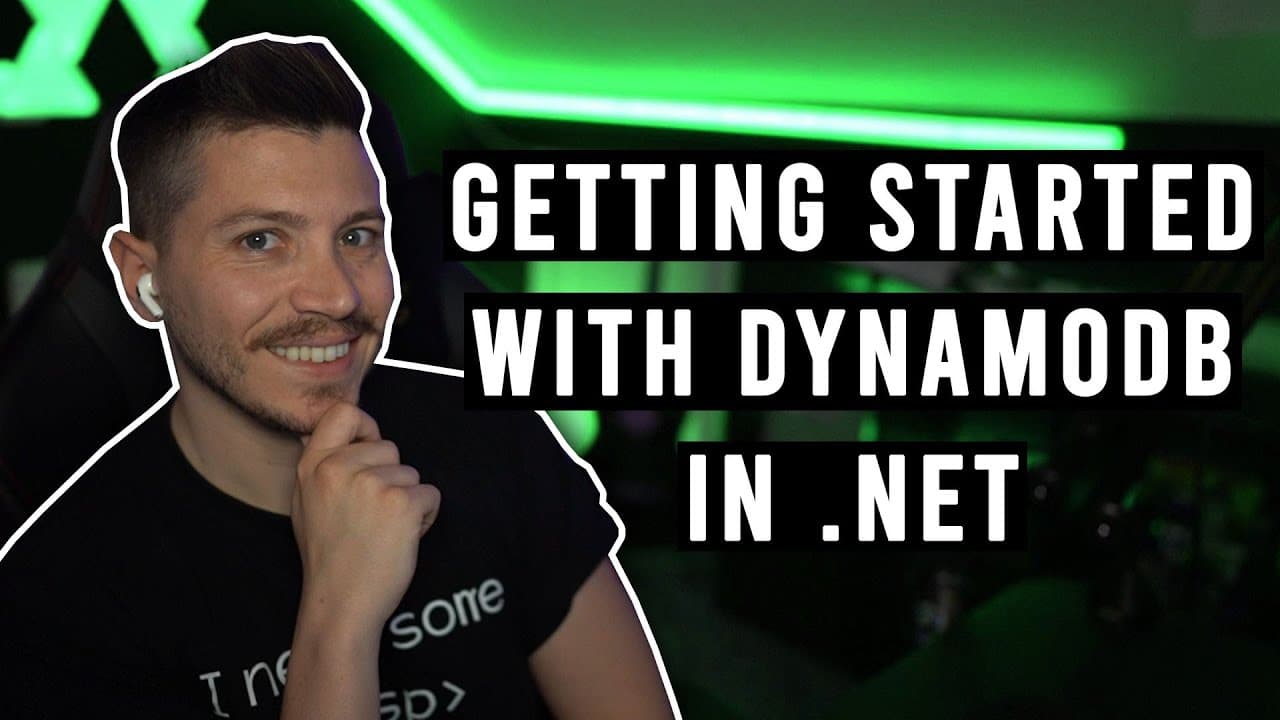
Learn how to migrate a .NET application from a PostgreSQL database to DynamoDB, including limitations and workarounds.
Transcript
hello everybody i'm nick and in this video i'm going to show you how you can get started with using dynamodb for your dotnet applications in this case we're gonna see how we can use it in an api a rest api however i'm gonna approach this differently instead of just starting from nothing and using dynamodb i'm going to show you how you can migrate t... Read More
Key Insights
- 🔍 Migrating to DynamoDB: The video tutorial discusses how to migrate from a PostgreSQL database to DynamoDB for a REST API, highlighting the ease of the migration process. It also mentions the limitations of designing a NoSQL database and the scalability benefits it offers.
- 💰 AWS Sponsorship: AWS sponsors the video and offers viewers $50 worth of AWS credit when signing up through the provided link. This demonstrates the partnership between the content creator and AWS.
- 📚 Repository Pattern: The REST API uses the repository pattern, specifically through the use of Dapper, which allows for seamless replacement of the database layer without breaking the repository structure.
- ⚒️ Steps to Replace PostgreSQL: The video goes through the steps of removing PostgreSQL-related code from the API, including the removal of dependencies, migration files, and database connection factories.
- 🔧 Low-Level DynamoDB SDK: The tutorial uses the low-level DynamoDB SDK in C# to have full control over the code. It highlights the need for configuring the DynamoDB client by providing the appropriate region and authentication.
- 📚 Data Modeling in DynamoDB: While not covered in depth in the video, proper data modeling is critical for optimizing performance in DynamoDB. The video teases the possibility of making a separate data modeling video if there is enough interest.
- 🎢 Partitioning in DynamoDB: Partitioning in DynamoDB is explained using a train analogy, emphasizing the importance of the partition key and sort key in determining data distribution and retrieval efficiency within the database.
- 📝 CRUD Operations with DynamoDB: The video demonstrates the implementation of CRUD operations (create, read, update, delete) with DynamoDB using the low-level SDK. It shows examples of creating, getting, updating, and deleting items in the database.
Install to Summarize YouTube Videos and Get Transcripts
Explore YouTube Video Summarizer or Get YouTube Transcript Extractor
Summary & Key Takeaways
-
The video tutorial explains how to migrate a .NET application from using a PostgreSQL database to DynamoDB.
-
The presenter demonstrates the process step-by-step, including code changes and configuration updates.
-
Limitations of partition-based NoSQL databases like DynamoDB are discussed, along with workarounds for common challenges.
Read in Other Languages (beta)
Share This Summary 📚
Summarize YouTube Videos and Get Video Transcripts with 1-Click
Try YouTube Summary with ChatGPT & Claude or YouTube Transcript Generator
Explore More Summaries from Nick Chapsas 📚


Summarize YouTube Videos and Get Video Transcripts with 1-Click
Try YouTube Summary with ChatGPT & Claude or YouTube Transcript Generator