What Is Electronegativity and How Does It Affect Elements?
TL;DR
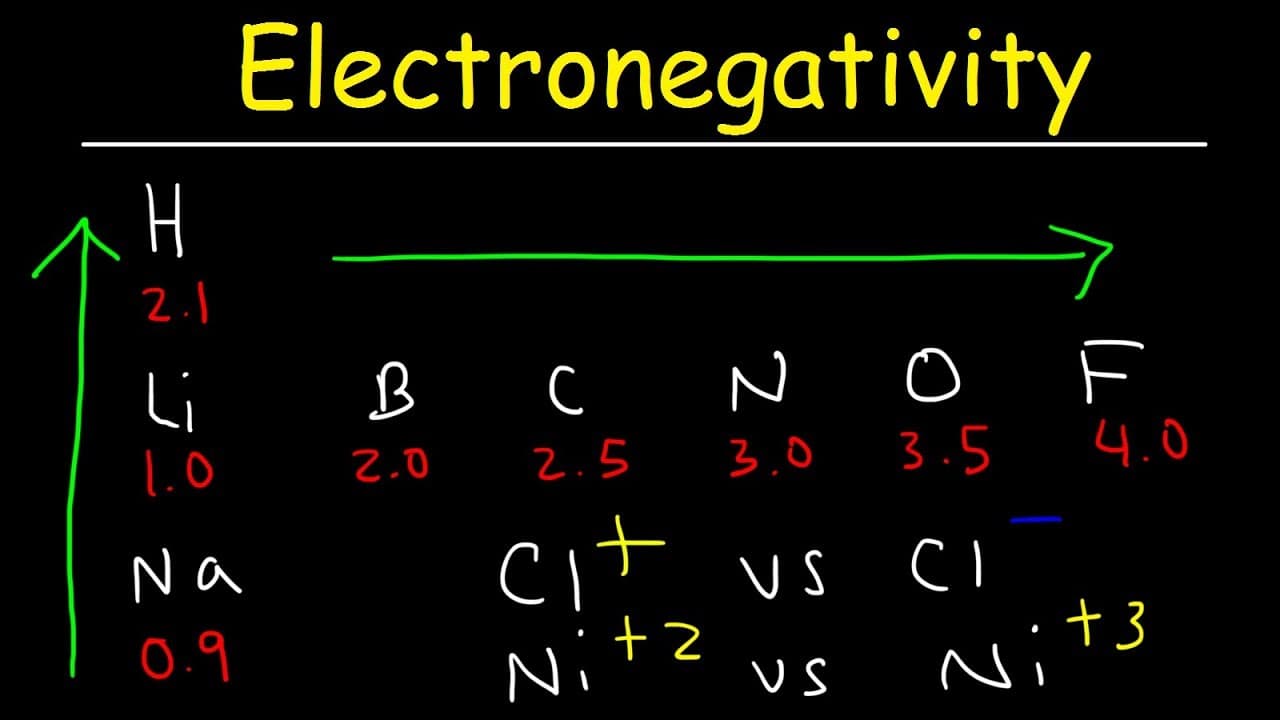
Electronegativity is an atom's ability to attract electrons and fill its outer energy level, with nonmetals being more electronegative than metals. It generally increases across the periodic table toward fluorine, the most electronegative element. Positively charged ions are usually more electronegative than their neutral or negatively charged counterparts, particularly if they are the same element.
Transcript
in this video we are going to talk about electronegativity now what exactly is electronegativity how would you define it electronegativity is the ability of an atom to attract an electron to itself a good example is fluorine flying is highly electronegative it has a strong desire to acquire an electron so once fluorine is given an electron it's goi... Read More
Key Insights
- 🫀 Electronegativity is the ability of an atom to attract electrons to itself and fill its outer energy level.
- 🤘 Nonmetals tend to be more electronegative than metals, as they have a stronger desire to acquire electrons.
- 🚰 Electronegativity generally increases as you move towards fluorine across the periodic table.
- 🫢 Noble gases, being stable, do not have electronegativity values.
- 😑 Positively charged ions are usually more electronegative than negatively charged ions, especially if they are composed of the same element.
- 😚 The electronegativity value of an element can be determined by its position on the periodic table, with elements closer to fluorine being more electronegative.
- 😜 Electronegativity values can be used to compare and rank elements in terms of their ability to attract electrons.
Install to Summarize YouTube Videos and Get Transcripts
Explore YouTube Video Summarizer or Get YouTube Transcript Extractor
Summary & Key Takeaways
-
Electronegativity is a measure of an atom's ability to attract electrons to itself and fill its outer energy level.
-
Nonmetals tend to be electronegative and want to acquire electrons, while metals are electropositive and prefer to give away electrons.
-
Electronegativity generally increases towards fluorine as you move across the periodic table, with fluorine being the most electronegative element.
Read in Other Languages (beta)
Share This Summary 📚
Summarize YouTube Videos and Get Video Transcripts with 1-Click
Try YouTube Summary with ChatGPT & Claude or YouTube Transcript Generator
Explore More Summaries from The Organic Chemistry Tutor 📚





Summarize YouTube Videos and Get Video Transcripts with 1-Click
Try YouTube Summary with ChatGPT & Claude or YouTube Transcript Generator