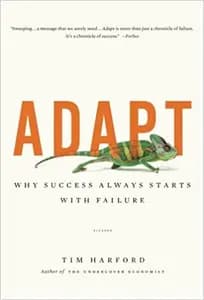
About This Book
"Adapt" by Tim Harford is a transformative exploration of the power of adaptive problem-solving in a rapidly changing world.
Drawing upon insights from a wide range of fields, including business, politics, biology, and psychology, Harford presents a compelling argument for the necessity of adaptability in navigating complex challenges. Through captivating stories and real-world examples, he reveals the fundamental principles and strategies that enable individuals and organizations to succeed amidst uncertainty and disruption.
Harford challenges the conventional wisdom that offers fixed solutions as the key to success, arguing instead for a more flexible and iterative approach. Using the concept of the "messy middle," he emphasizes the importance of experimentation, iteration, and learning from failure. By embracing complexity and embracing diverse perspectives, individuals and organizations can better adapt to unforeseen circumstances and seize opportunities for growth.
Moreover, Harford underscores the critical role of feedback loops in enabling adaptation. By continuously evaluating performance, gathering data, and making incremental adjustments, individuals and organizations can improve their decision-making and responses to emerging challenges. He highlights the importance of embracing small successes and iterating on failures to drive meaningful change.
Harford also sheds light on the role of strong leadership in fostering adaptability. He explores the traits and approaches that effective leaders possess, from cultivating a culture of openness and curiosity to empowering teams and encouraging collaboration.
Ultimately, "Adapt" encourages readers to reevaluate their approach to problem-solving and embrace the power of adaptation. By embracing uncertainty, harnessing diversity, and cultivating a culture of experimentation, individuals and organizations can thrive in an unpredictable and ever-evolving world.
With its rich blend of storytelling, research, and practical advice, Harford's "Adapt" offers an invaluable roadmap for unleashing the potential of adaptability and achieving success in a complex and uncertain future.
Drawing upon insights from a wide range of fields, including business, politics, biology, and psychology, Harford presents a compelling argument for the necessity of adaptability in navigating complex challenges. Through captivating stories and real-world examples, he reveals the fundamental principles and strategies that enable individuals and organizations to succeed amidst uncertainty and disruption.
Harford challenges the conventional wisdom that offers fixed solutions as the key to success, arguing instead for a more flexible and iterative approach. Using the concept of the "messy middle," he emphasizes the importance of experimentation, iteration, and learning from failure. By embracing complexity and embracing diverse perspectives, individuals and organizations can better adapt to unforeseen circumstances and seize opportunities for growth.
Moreover, Harford underscores the critical role of feedback loops in enabling adaptation. By continuously evaluating performance, gathering data, and making incremental adjustments, individuals and organizations can improve their decision-making and responses to emerging challenges. He highlights the importance of embracing small successes and iterating on failures to drive meaningful change.
Harford also sheds light on the role of strong leadership in fostering adaptability. He explores the traits and approaches that effective leaders possess, from cultivating a culture of openness and curiosity to empowering teams and encouraging collaboration.
Ultimately, "Adapt" encourages readers to reevaluate their approach to problem-solving and embrace the power of adaptation. By embracing uncertainty, harnessing diversity, and cultivating a culture of experimentation, individuals and organizations can thrive in an unpredictable and ever-evolving world.
With its rich blend of storytelling, research, and practical advice, Harford's "Adapt" offers an invaluable roadmap for unleashing the potential of adaptability and achieving success in a complex and uncertain future.
What People Are Saying
“Using excellent examples, Tim Harford explains that to make progress, you must fail often and fail productively.”
More Praise
Nassim Taleb: “Adapt is a highly readable, even entertaining, argument against top-down design. It debunks the Soviet-Harvard command-and-control style of planning and approach to economic policies and regulations and vindicates trial and error (particularly the error part) as a means to economic and general progress. Very impressive!”
Revisit Your Highlights, Deepen Your Understanding
Import your Kindle highlights to review, organize, and share the ideas that matter most to you.
Get the free browser extension
Share This Book
More Books in Strategy
View More
Against The Gods
Peter Bernstein
How To Decide
Annie Duke

A Few Lessons from Sherlock Holmes
Peter Bevelin
Clear Thinking
Shane Parrish
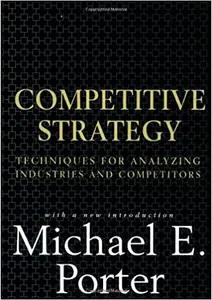
Competitive Strategy
Michael Porter
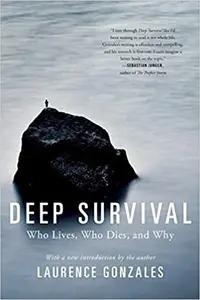
Deep Survival
Laurence Gonzales
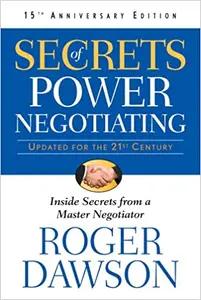
Secrets of Power Negotiating
Roger Dawson
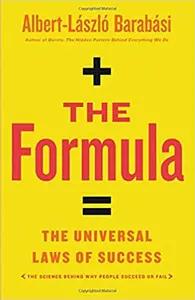
The Formula
Albert-László Barabási
The Hour Between Dog and Wolf
John Coates
Think Like a Rocket Scientist
Ozan Varol
Think Twice
Michael Mauboussin
100 Deadly Skills
Clint Emerson

Bet With the Best
Andrew Beyer
Bringing Down The House
Ben Mezrich
Competition Demystified
Bruce Greenwald
Diaminds
Mihnea Moldoveanu
Farsighted
Steven Johnson
Fortune's Formula
William Poundstone
Getting Past No
William Ury
How Google Works
Eric Schmidt
How to Get Lucky
Max Gunther

In-N-Out Burger
Stacy Perman
Innovation and Entrepreneurship
Peter Drucker
Insanely Simple
Ken Segall
Payoff
Dan Ariely
Pebbles of Perception
Laurence Enderson
Play Bigger
Al Ramadan
Radical Uncertainty
John Kay
Rational Decisions
Ken Binmore
Same As Ever
Morgan Housel
Popular Books Recommended by Great Minds 📚
Sapiens
Yuval Noah Harari
The Hard Thing About Hard Things
Ben Horowitz
Zero to One
Peter Thiel
High Output Management
Andrew Grove
Principles
Ray Dalio
Shoe Dog
Phil Knight
Snow Crash
Neal Stephenson
Meditations
Marcus Aurelius
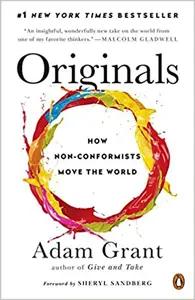
Originals
Adam Grant

Poor Charlie's Almanack
Charlie Munger
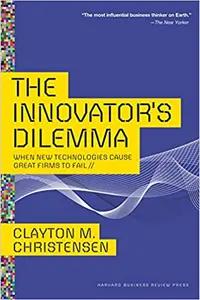
The Innovators Dilemma
Clayton Christensen
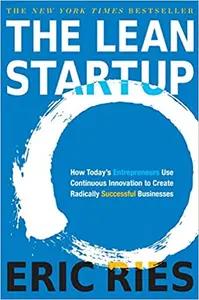
The Lean Startup
Eric Reis
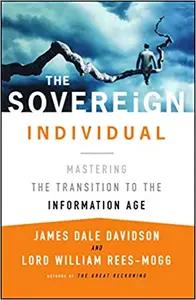
The Sovereign Individual
James Dale Davidson & William Rees-Mogg
High Growth Handbook
Elad Gil
Influence
Robert Cialdini
Principles for Dealing With The Changing World Order
Ray Dalio
Rework
Jason Fried
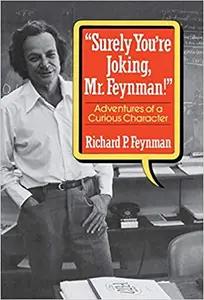
Surely You're Joking Mr. Feynman
Richard Feynman
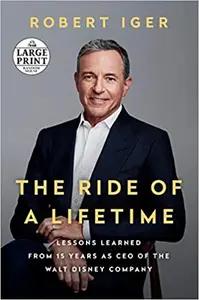
The Ride of a Lifetime
Bob Iger
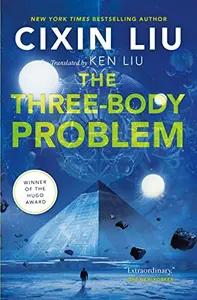
The Three Body Problem
Cixin Liu
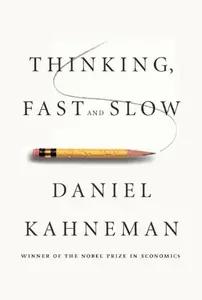
Thinking, Fast and Slow
Daniel Kahneman
7 Powers
Hamilton Helmer
Antifragile
Nassim Nicholas Taleb
Atlas Shrugged
Ayn Rand
Blitzscaling
Reid Hoffman

Dune
Frank Herbert

Foundation
Isaac Asimov
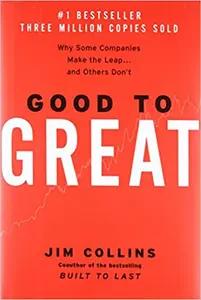
Good To Great
Jim Collins
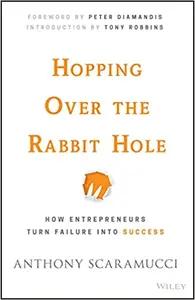
Hopping Over The Rabbit Hole
Anthony Scaramucci
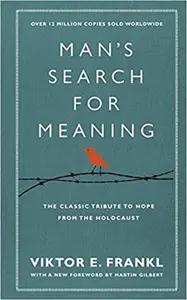
Man's Search for Meaning
Viktor Frankl