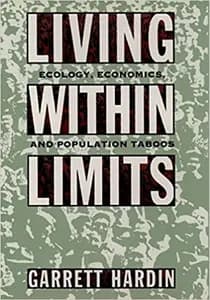
About This Book
"Living Within Limits" by Garrett Hardin is a thought-provoking exploration of humanity's interactions with the finite resources of our planet. Hardin, known for his groundbreaking work in ecology and population ethics, challenges the prevailing belief that technological progress alone can enable unlimited growth.
In this succinct book, Hardin argues that unrestricted population growth and the relentless pursuit of consumption are unsustainable and detrimental to both our collective well-being and the environment. Through compelling examples and scientific evidence, he demonstrates the tragic consequences of exceeding the carrying capacity of our planet, highlighting issues such as overpopulation, biodiversity loss, and resource depletion.
Hardin argues that the pursuit of common good requires recognizing the necessity of limits. Drawing upon concepts like tragedy of the commons and mutual coercion, he proposes a shift towards a sustainable society that respects natural boundaries and embraces responsible choices. Hardin also delves into the implications of these ideas for ethical decision-making, public policy, and the preservation of future generations.
"Living Within Limits" serves as a wake-up call to individuals, policymakers, and society as a whole, urging us to reevaluate our relationship with nature and to prioritize long-term sustainability over short-term gains. Hardin's lucid prose and logical reasoning make this book an essential read for anyone seeking a deeper understanding of the complex challenges facing our planet.
Through "Living Within Limits," Garrett Hardin offers a powerful critique of the prevailing ideology of infinite growth, providing a timely and profound exploration of the limits that we must acknowledge and respect if we are to create a sustainable and thriving future for humanity.
In this succinct book, Hardin argues that unrestricted population growth and the relentless pursuit of consumption are unsustainable and detrimental to both our collective well-being and the environment. Through compelling examples and scientific evidence, he demonstrates the tragic consequences of exceeding the carrying capacity of our planet, highlighting issues such as overpopulation, biodiversity loss, and resource depletion.
Hardin argues that the pursuit of common good requires recognizing the necessity of limits. Drawing upon concepts like tragedy of the commons and mutual coercion, he proposes a shift towards a sustainable society that respects natural boundaries and embraces responsible choices. Hardin also delves into the implications of these ideas for ethical decision-making, public policy, and the preservation of future generations.
"Living Within Limits" serves as a wake-up call to individuals, policymakers, and society as a whole, urging us to reevaluate our relationship with nature and to prioritize long-term sustainability over short-term gains. Hardin's lucid prose and logical reasoning make this book an essential read for anyone seeking a deeper understanding of the complex challenges facing our planet.
Through "Living Within Limits," Garrett Hardin offers a powerful critique of the prevailing ideology of infinite growth, providing a timely and profound exploration of the limits that we must acknowledge and respect if we are to create a sustainable and thriving future for humanity.
What People Are Saying
“Like Charlie Munger or Nassim Taleb, you need to read the source material over and over in order to soak up the available wisdom.”
More Praise
Charlie Munger recommended 'Living Within Limits' in his book Poor Charlie's Almanack.
Revisit Your Highlights, Deepen Your Understanding
Import your Kindle highlights to review, organize, and share the ideas that matter most to you.
Get the free browser extension
Share This Book
More Books in Science
View More
Scale
Geoffrey West
Einstein
Walter Isaacson
How to Change Your Mind
Michael Pollan

The Checklist Manifesto
Atul Gawande
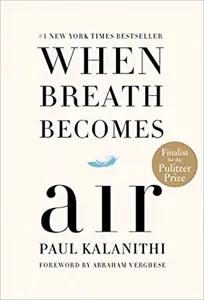
When Breath Becomes Air
Paul Kalanithi
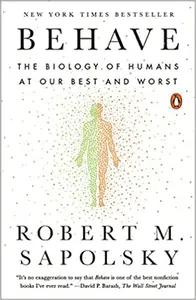
Behave
Robert Sapolsky
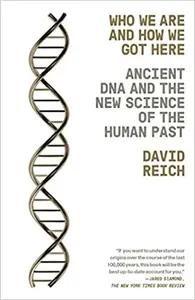
Who We Are and How We Got Here
David Reich
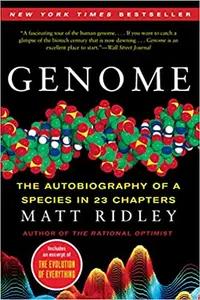
Genome
Matt Ridley
The Beginning Of Infinity
David Deutsch

The Origin of Consciousness in the Breakdown of the Bicameral Mind
Julian Jaynes
The Pleasure of Finding Things Out
Richard P. Feynman
The Selfish Gene
Richard Dawkins
The Structure of Scientific Revolutions
Thomas Kuhn
I Contain Multitudes
Ed Yong
If The Universe Is Teeming With Aliens...Where Is Everybody?
Stephen Webb
Moonwalking with Einstein
Joshua Foer

QED
Richard Feynman
Six Easy Pieces
Richard P. Feynman
The Book of Why
Judea Pearl
The Double Helix
James D. Watson Ph.D.
The Evolution of Everything
Matt Ridley
The Gene
Siddhartha Mukherjee
The God Delusion
Richard Dawkins
The Precipice
Toby Ord
Thing Explainer
Randall Munroe
What Do You Care What Other People Think?
Richard P. Feynman
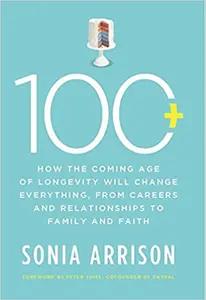
100 Plus
Sonia Arrison
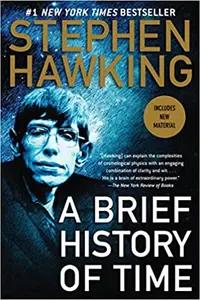
A Brief History of Time
Stephen Hawking
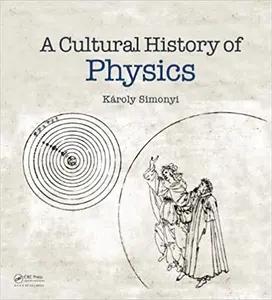
A Cultural History of Physics
Karoly Simonyi
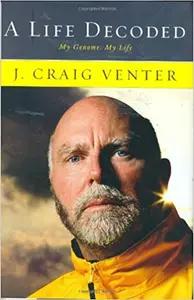
A Life Decoded
J. Craig Venter
Popular Books Recommended by Great Minds 📚
Sapiens
Yuval Noah Harari
The Hard Thing About Hard Things
Ben Horowitz
Zero to One
Peter Thiel
High Output Management
Andrew Grove
Principles
Ray Dalio

Shoe Dog
Phil Knight
Snow Crash
Neal Stephenson
Meditations
Marcus Aurelius
Originals
Adam Grant

Poor Charlie's Almanack
Charlie Munger
The Innovators Dilemma
Clayton Christensen
The Lean Startup
Eric Reis
The Sovereign Individual
James Dale Davidson & William Rees-Mogg
High Growth Handbook
Elad Gil
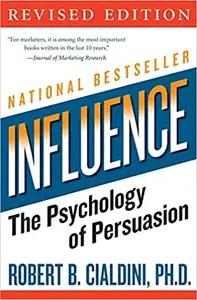
Influence
Robert Cialdini
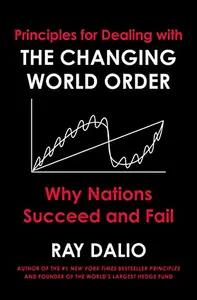
Principles for Dealing With The Changing World Order
Ray Dalio

Rework
Jason Fried
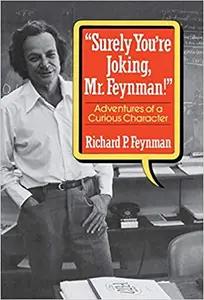
Surely You're Joking Mr. Feynman
Richard Feynman
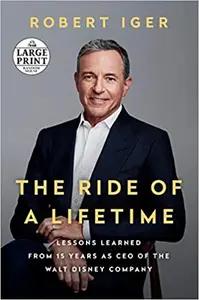
The Ride of a Lifetime
Bob Iger
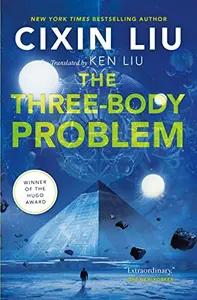
The Three Body Problem
Cixin Liu
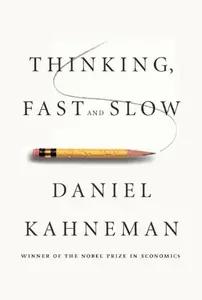
Thinking, Fast and Slow
Daniel Kahneman
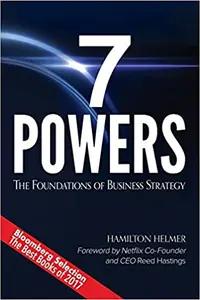
7 Powers
Hamilton Helmer
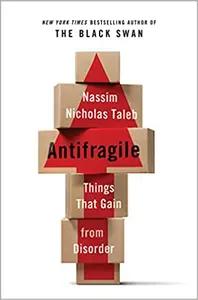
Antifragile
Nassim Nicholas Taleb
Atlas Shrugged
Ayn Rand
Blitzscaling
Reid Hoffman
Dune
Frank Herbert

Foundation
Isaac Asimov
Good To Great
Jim Collins
Hopping Over The Rabbit Hole
Anthony Scaramucci
Man's Search for Meaning
Viktor Frankl