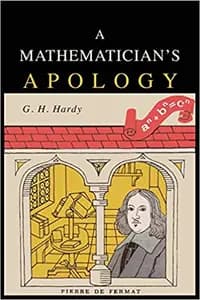
Recommended byPaul Graham
About This Book
"A Mathematician's Apology" by G. H. Hardy is a captivating exploration into the world of mathematics, crafted by one of the greatest mathematicians of his time. In this thought-provoking and deeply personal work, Hardy reflects on his life's work, his passion for pure mathematics, and the intrinsic beauty of the subject.
Hardy argues for the importance of mathematics as an intellectual pursuit, dismissing practical applications as secondary. He meticulously dissects the creative process behind mathematical research, emphasizing the aesthetic appeal and elegance of mathematical proofs.
However, Hardy does not shy away from acknowledging the limitations of his field. He delves into the problem of mathematical aging, where mathematicians often peak in their youth, as well as the inherent difficulty in expressing the abstract world of mathematics in human language.
Throughout the book, Hardy passionately defends the value of pure mathematics, asserting that despite its lack of practicality, it holds immense significance for human culture and intellect. He skillfully intertwines personal anecdotes, philosophical musings, and technical insights to make a compelling case for the artistic virtues of mathematics.
With its elegant prose and deep introspection, "A Mathematician's Apology" challenges readers to contemplate the nature of creative pursuits and the enduring relevance of pure mathematics in our increasingly pragmatic world. By sharing his love for the discipline, Hardy invites aspiring mathematicians, scholars, and general readers alike to appreciate the sheer beauty and intellectual rigor embedded within the realm of mathematics.
Hardy argues for the importance of mathematics as an intellectual pursuit, dismissing practical applications as secondary. He meticulously dissects the creative process behind mathematical research, emphasizing the aesthetic appeal and elegance of mathematical proofs.
However, Hardy does not shy away from acknowledging the limitations of his field. He delves into the problem of mathematical aging, where mathematicians often peak in their youth, as well as the inherent difficulty in expressing the abstract world of mathematics in human language.
Throughout the book, Hardy passionately defends the value of pure mathematics, asserting that despite its lack of practicality, it holds immense significance for human culture and intellect. He skillfully intertwines personal anecdotes, philosophical musings, and technical insights to make a compelling case for the artistic virtues of mathematics.
With its elegant prose and deep introspection, "A Mathematician's Apology" challenges readers to contemplate the nature of creative pursuits and the enduring relevance of pure mathematics in our increasingly pragmatic world. By sharing his love for the discipline, Hardy invites aspiring mathematicians, scholars, and general readers alike to appreciate the sheer beauty and intellectual rigor embedded within the realm of mathematics.
What People Are Saying
“Among the most inspiring books I know.”
Revisit Your Highlights, Deepen Your Understanding
Import your Kindle highlights to review, organize, and share the ideas that matter most to you.
Get the free browser extension
Share This Book
More Books in Math
View More
Factfulness
Hans Rosling
Fooled By Randomness
Nassim Nicholas Taleb
Gödel, Escher, Bach
Douglas R. Hofstadter
Infinite Powers
Steven Strogatz
The Model Thinker
Scott Page
The Princeton Companion to Mathematics
Timothy Gowers
The Signal and the Noise
Nate Silver
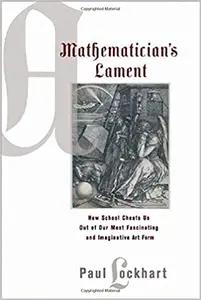
A Mathematician's Lament
Paul Lockhart
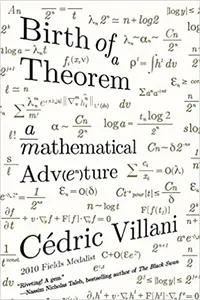
Birth of a Theorem
Cédric Villani
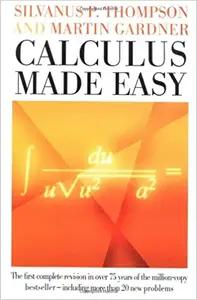
Calculus Made Easy
Silvanus P. Thompson
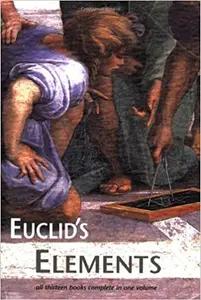
Euclid's Elements
Euclid
How Nature Works
Per Bak
How To Lie With Statistics
Darrell Huff
Math, Better Explained
Kalid Azad
Mathematician's Delight
W. Sawyer
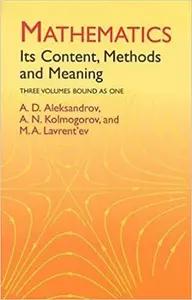
Mathematics
A.D. Aleksandrov
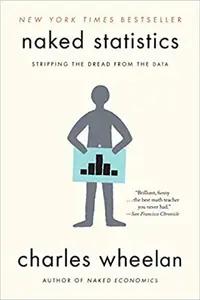
Naked Statistics
Charles Wheelan
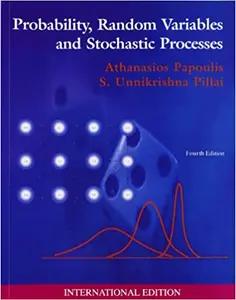
Probability, Random Variables and Stochastic Processes
Athanasios Papoulis
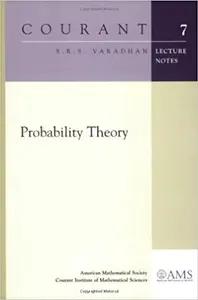
Probability Theory
S.R.S. Varadhan
Q.E.D.
Burkard Polster
Statistical Consequences of Fat Tails
Nassim Taleb
Statistical Models
David A. Freedman
The Blank Swan
Elie Ayache
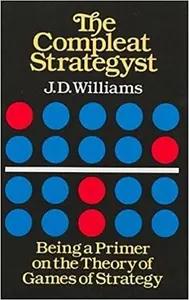
The Compleat Strategyst
J. D. Williams
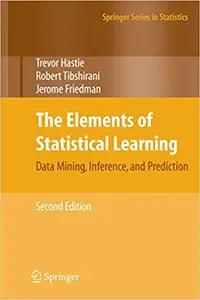
The Elements of Statistical Learning
Trevor Hastie
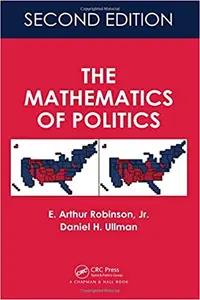
The Mathematics of Politics
E. Arthur Robinson
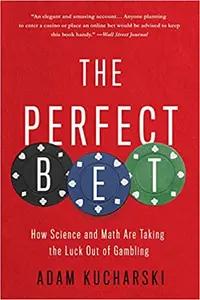
The Perfect Bet
Adam Kucharski
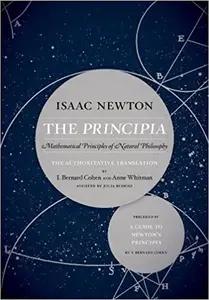
The Principia
Isaac Newton
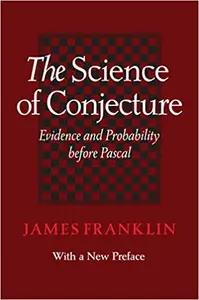
The Science of Conjecture
James Franklin
Popular Books Recommended by Great Minds 📚
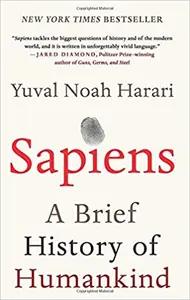
Sapiens
Yuval Noah Harari
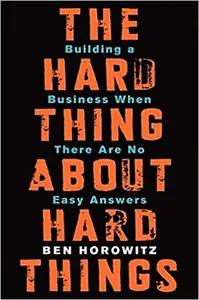
The Hard Thing About Hard Things
Ben Horowitz
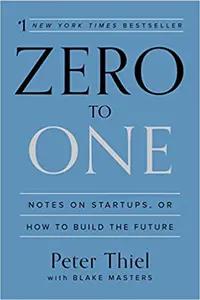
Zero to One
Peter Thiel
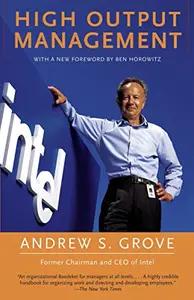
High Output Management
Andrew Grove
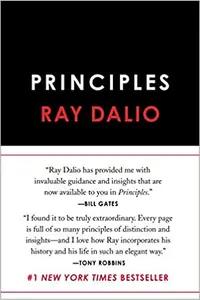
Principles
Ray Dalio

Shoe Dog
Phil Knight
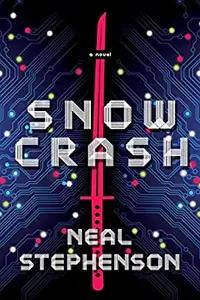
Snow Crash
Neal Stephenson
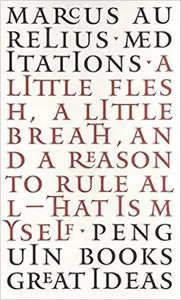
Meditations
Marcus Aurelius
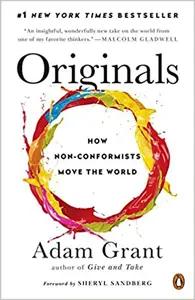
Originals
Adam Grant

Poor Charlie's Almanack
Charlie Munger

The Innovators Dilemma
Clayton Christensen
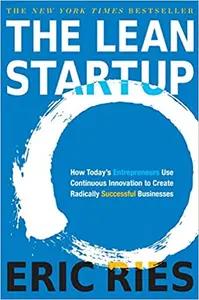
The Lean Startup
Eric Reis
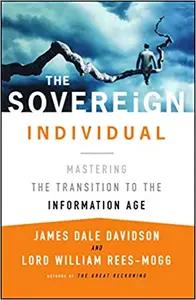
The Sovereign Individual
James Dale Davidson & William Rees-Mogg
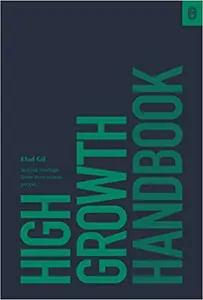
High Growth Handbook
Elad Gil
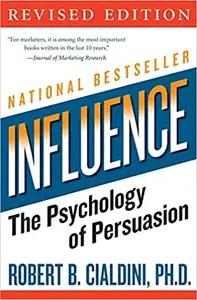
Influence
Robert Cialdini
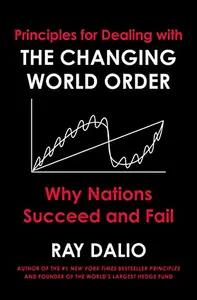
Principles for Dealing With The Changing World Order
Ray Dalio
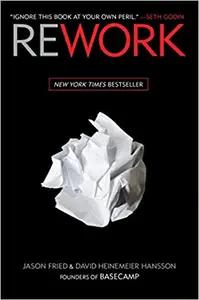
Rework
Jason Fried
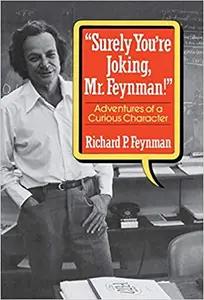
Surely You're Joking Mr. Feynman
Richard Feynman

The Ride of a Lifetime
Bob Iger
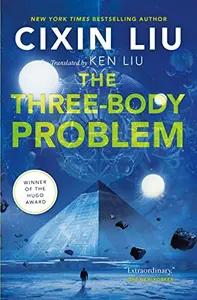
The Three Body Problem
Cixin Liu
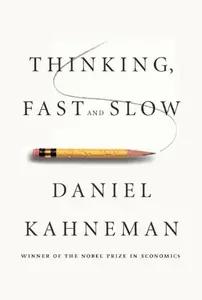
Thinking, Fast and Slow
Daniel Kahneman
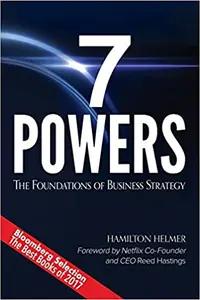
7 Powers
Hamilton Helmer
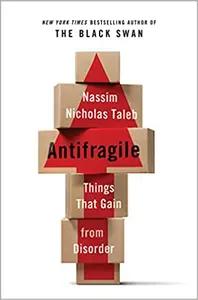
Antifragile
Nassim Nicholas Taleb
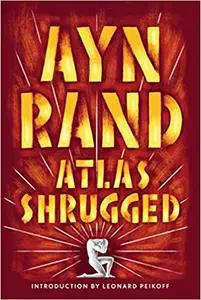
Atlas Shrugged
Ayn Rand
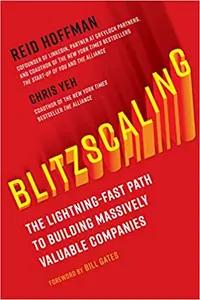
Blitzscaling
Reid Hoffman
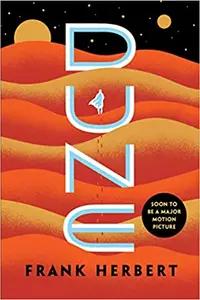
Dune
Frank Herbert

Foundation
Isaac Asimov
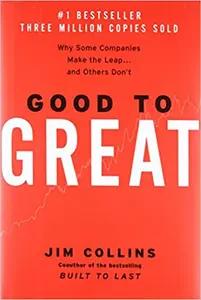
Good To Great
Jim Collins
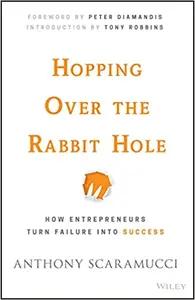
Hopping Over The Rabbit Hole
Anthony Scaramucci
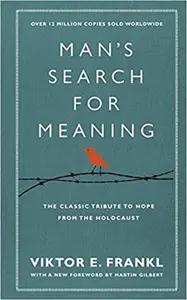
Man's Search for Meaning
Viktor Frankl