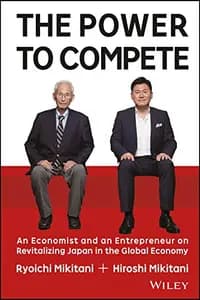
The Power To Compete: An Economist and an Entrepreneur on Revitalizing Japan in the Global Economy
by Ryiochi Mikitani & Hiroshi Mikitani
Recommended byBill Gates
About This Book
"The Power to Compete" by Ryiochi Mikitani and Hiroshi Mikitani is a thought-provoking book that emphasizes the significance of technological innovation and entrepreneurial mindset. The book primarily focuses on the challenges faced by Japan in the global economy and proposes various strategies to regain its competitive edge.
The authors, both successful entrepreneurs themselves, shed light on Japan's stagnant economy and the need for radical changes to revive it. They argue that Japan's inward-looking culture and resistance to change have hindered its progress, leading to a decline in its international standing. To overcome this, the authors advocate for the embracing of technology and entrepreneurship as the key drivers of economic growth.
Through the examination of their own experiences, the Mikitanis present a compelling case for the importance of innovation and the role of disruptive technologies in revitalizing Japan's economy. They emphasize the urgency to foster an entrepreneurial culture that encourages risk-taking, promotes creative thinking, and embraces new ideas.
"The Power to Compete" also delves into Japan's education system, highlighting the need for a paradigm shift towards a more practical and skill-oriented approach. The authors propose reforms that would equip the younger generation with the necessary tools and mindset to thrive in the increasingly competitive global market.
Moreover, the book explores the potential of digitalization and globalization, urging Japan to capitalize on these trends to stimulate economic growth. It emphasizes the importance of leveraging digital platforms to connect with global audiences and tap into new markets.
In conclusion, "The Power to Compete" offers a comprehensive analysis of Japan's economic challenges and provides actionable solutions for its resurgence. This thought-provoking book appeals to policymakers, business leaders, and individuals interested in understanding how a nation can regain its competitive edge in an increasingly interconnected world.
The authors, both successful entrepreneurs themselves, shed light on Japan's stagnant economy and the need for radical changes to revive it. They argue that Japan's inward-looking culture and resistance to change have hindered its progress, leading to a decline in its international standing. To overcome this, the authors advocate for the embracing of technology and entrepreneurship as the key drivers of economic growth.
Through the examination of their own experiences, the Mikitanis present a compelling case for the importance of innovation and the role of disruptive technologies in revitalizing Japan's economy. They emphasize the urgency to foster an entrepreneurial culture that encourages risk-taking, promotes creative thinking, and embraces new ideas.
"The Power to Compete" also delves into Japan's education system, highlighting the need for a paradigm shift towards a more practical and skill-oriented approach. The authors propose reforms that would equip the younger generation with the necessary tools and mindset to thrive in the increasingly competitive global market.
Moreover, the book explores the potential of digitalization and globalization, urging Japan to capitalize on these trends to stimulate economic growth. It emphasizes the importance of leveraging digital platforms to connect with global audiences and tap into new markets.
In conclusion, "The Power to Compete" offers a comprehensive analysis of Japan's economic challenges and provides actionable solutions for its resurgence. This thought-provoking book appeals to policymakers, business leaders, and individuals interested in understanding how a nation can regain its competitive edge in an increasingly interconnected world.
What People Are Saying
“The Power to Compete has smart ideas about revitalizing Japan’s economy.”
Revisit Your Highlights, Deepen Your Understanding
Import your Kindle highlights to review, organize, and share the ideas that matter most to you.
Get the free browser extension
Share This Book
More Books in Economics
View More
Principles for Dealing With The Changing World Order
Ray Dalio
The Rational Optimist
Matt Ridley

The Bitcoin Standard
Saifedean Ammous
Economics in One Lesson
Henry Hazlitt
The Ascent of Money
Niall Ferguson

Enlightenment Now
Steven Pinker
The Rise of the Rest
Steve Case

The Road to Serfdom
F.A. Hayek

The Wealth of Nations
Adam Smith
Capital In The 21st Century
Thomas Piketty

Check Your Financial Privilege
Alex Gladstein
Dealing with China
Henry Paulson

Debt
David Graeber

Human Action
Ludwig Von Mises
The Future of Capitalism
Paul Collier

The Prize
Daniel Yergin

The Wealth and Poverty of Nations
David Landes

Thinking In Systems
Donella H. Meadows

Trade Is Not A Four Letter Word
Fred Hochberg
Why Nations Fail
Daron Acemoglu
A Great Leap Forward?
John Mauldin & Worth Wray

A Guide To Econometrics
Peter E. Kennedy

Adaptive Markets
Andrew Lo

Age Of Ambition
Evan Osnos

An Apology for the Builder
Nicholas Barbon

Broken Money
Lyn Alden

Bureaucracy
Ludwig Von Mises

Capitalism Without Capital
Jonathan Haskel & Stian Westlake

Central Banking 101
Joseph Wang
Complexity and the Economy
W. Brian Arthur
Popular Books Recommended by Great Minds 📚

Sapiens
Yuval Noah Harari
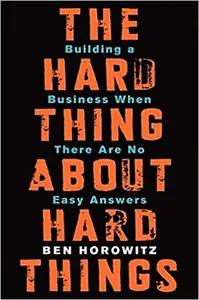
The Hard Thing About Hard Things
Ben Horowitz
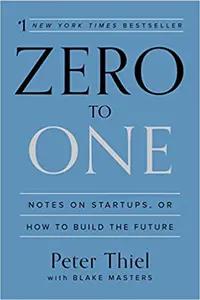
Zero to One
Peter Thiel
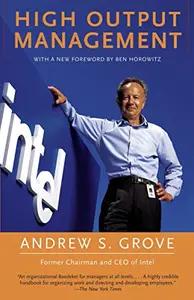
High Output Management
Andrew Grove

Principles
Ray Dalio

Shoe Dog
Phil Knight

Snow Crash
Neal Stephenson

Meditations
Marcus Aurelius
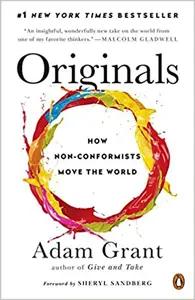
Originals
Adam Grant

Poor Charlie's Almanack
Charlie Munger

The Innovators Dilemma
Clayton Christensen
The Lean Startup
Eric Reis
The Sovereign Individual
James Dale Davidson & William Rees-Mogg

High Growth Handbook
Elad Gil
Influence
Robert Cialdini
Principles for Dealing With The Changing World Order
Ray Dalio

Rework
Jason Fried

Surely You're Joking Mr. Feynman
Richard Feynman

The Ride of a Lifetime
Bob Iger

The Three Body Problem
Cixin Liu
Thinking, Fast and Slow
Daniel Kahneman

7 Powers
Hamilton Helmer

Antifragile
Nassim Nicholas Taleb

Atlas Shrugged
Ayn Rand

Blitzscaling
Reid Hoffman

Dune
Frank Herbert

Foundation
Isaac Asimov
Good To Great
Jim Collins

Hopping Over The Rabbit Hole
Anthony Scaramucci

Man's Search for Meaning
Viktor Frankl