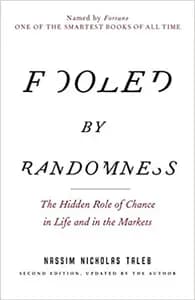
Fooled By Randomness: The Hidden Role of Chance in Life and in the Markets
by Nassim Nicholas Taleb
About This Book
"Fooled By Randomness" by Nassim Nicholas Taleb is a thought-provoking exploration of the role that randomness and luck play in our lives. Taleb, a renowned risk analyst, challenges our conventional understanding of success and failure, revealing the hidden factors that often go unnoticed in the chaos of chance events.
Drawing on his own experiences in the financial industry, Taleb argues that our tendency to attribute outcomes solely to skill or talent is misguided. He emphasizes that luck, both good and bad, plays a significant role in shaping our lives, and that we often overlook this crucial element.
Through numerous examples and anecdotes, Taleb illustrates that our cognitive biases lead us to underestimate the influence of randomness. He discusses the phenomenon of hindsight bias, our tendency to retrospectively assign reasons for unpredictable events, and explains how this can distort our understanding of the world.
Taleb introduces the concept of "Black Swans," rare and unpredictable events that have far-reaching and profound consequences. He argues that these Black Swans, although impossible to predict, have an enormous impact on our lives and society as a whole. He urges readers to be more aware of the limitations of their knowledge and to cultivate a humble mindset that embraces uncertainty.
In "Fooled By Randomness," Taleb challenges us to reevaluate our beliefs about causality and to recognize the often-arbitrary nature of success and failure. He offers practical advice on how to navigate an uncertain world, encouraging readers to embrace randomness rather than fear it.
This book serves as a wake-up call, prompting readers to question their assumptions and approach life's challenges with a fresh perspective. By understanding and accepting the role of randomness, we can become more adaptable and resilient in the face of uncertainty.
Drawing on his own experiences in the financial industry, Taleb argues that our tendency to attribute outcomes solely to skill or talent is misguided. He emphasizes that luck, both good and bad, plays a significant role in shaping our lives, and that we often overlook this crucial element.
Through numerous examples and anecdotes, Taleb illustrates that our cognitive biases lead us to underestimate the influence of randomness. He discusses the phenomenon of hindsight bias, our tendency to retrospectively assign reasons for unpredictable events, and explains how this can distort our understanding of the world.
Taleb introduces the concept of "Black Swans," rare and unpredictable events that have far-reaching and profound consequences. He argues that these Black Swans, although impossible to predict, have an enormous impact on our lives and society as a whole. He urges readers to be more aware of the limitations of their knowledge and to cultivate a humble mindset that embraces uncertainty.
In "Fooled By Randomness," Taleb challenges us to reevaluate our beliefs about causality and to recognize the often-arbitrary nature of success and failure. He offers practical advice on how to navigate an uncertain world, encouraging readers to embrace randomness rather than fear it.
This book serves as a wake-up call, prompting readers to question their assumptions and approach life's challenges with a fresh perspective. By understanding and accepting the role of randomness, we can become more adaptable and resilient in the face of uncertainty.
What People Are Saying
“Good books are worth re-reading. Great books are worth re-buying.”
More Praise
Howard Marks: "I like to read books that in are indicative of investor psychology and so Fooled by Randomness talks about how important randomness is in the financial markets and how randomness is confused with things happening for a reason.”
Revisit Your Highlights, Deepen Your Understanding
Import your Kindle highlights to review, organize, and share the ideas that matter most to you.
Get the free browser extension
Share This Book
More Books in Math
View More
Factfulness
Hans Rosling
Gödel, Escher, Bach
Douglas R. Hofstadter
Infinite Powers
Steven Strogatz
The Model Thinker
Scott Page
The Princeton Companion to Mathematics
Timothy Gowers
The Signal and the Noise
Nate Silver
A Mathematician's Apology
G. H. Hardy
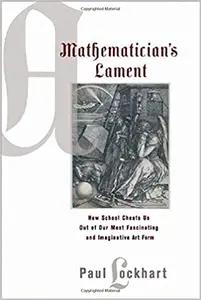
A Mathematician's Lament
Paul Lockhart
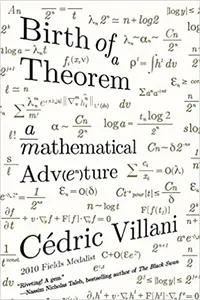
Birth of a Theorem
Cédric Villani
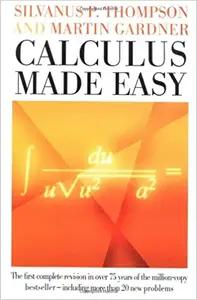
Calculus Made Easy
Silvanus P. Thompson
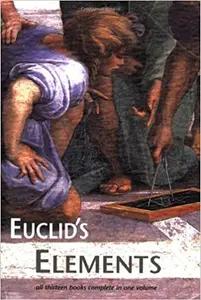
Euclid's Elements
Euclid
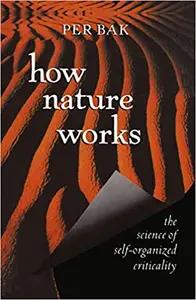
How Nature Works
Per Bak
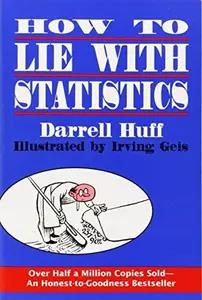
How To Lie With Statistics
Darrell Huff
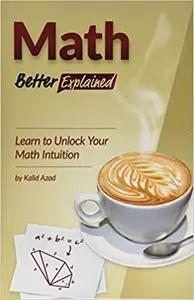
Math, Better Explained
Kalid Azad
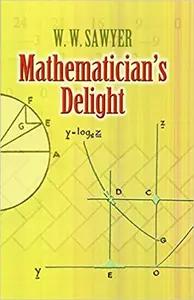
Mathematician's Delight
W. Sawyer
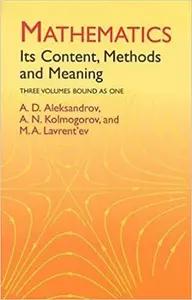
Mathematics
A.D. Aleksandrov
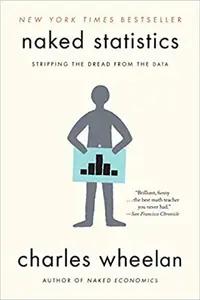
Naked Statistics
Charles Wheelan
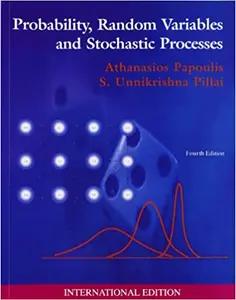
Probability, Random Variables and Stochastic Processes
Athanasios Papoulis
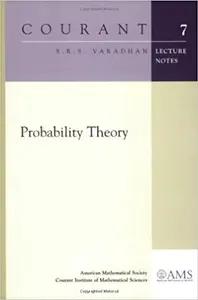
Probability Theory
S.R.S. Varadhan
Q.E.D.
Burkard Polster
Statistical Consequences of Fat Tails
Nassim Taleb
Statistical Models
David A. Freedman
The Blank Swan
Elie Ayache
The Compleat Strategyst
J. D. Williams
The Elements of Statistical Learning
Trevor Hastie
The Mathematics of Politics
E. Arthur Robinson
The Perfect Bet
Adam Kucharski
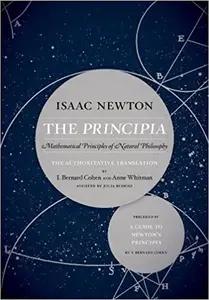
The Principia
Isaac Newton
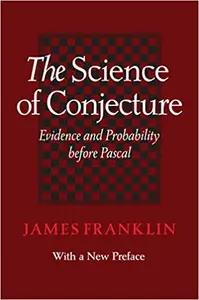
The Science of Conjecture
James Franklin
Popular Books Recommended by Great Minds 📚
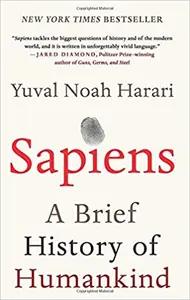
Sapiens
Yuval Noah Harari
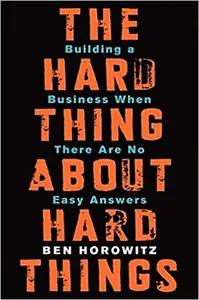
The Hard Thing About Hard Things
Ben Horowitz
Zero to One
Peter Thiel
High Output Management
Andrew Grove
Principles
Ray Dalio
Shoe Dog
Phil Knight
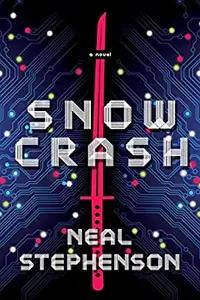
Snow Crash
Neal Stephenson
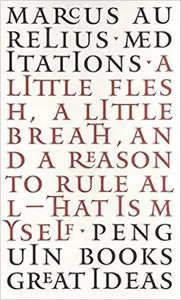
Meditations
Marcus Aurelius
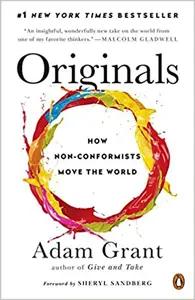
Originals
Adam Grant
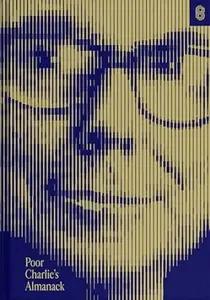
Poor Charlie's Almanack
Charlie Munger
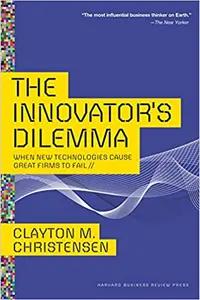
The Innovators Dilemma
Clayton Christensen
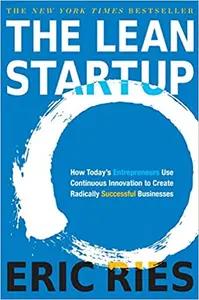
The Lean Startup
Eric Reis
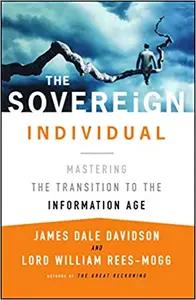
The Sovereign Individual
James Dale Davidson & William Rees-Mogg
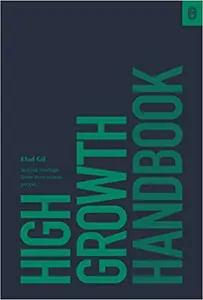
High Growth Handbook
Elad Gil
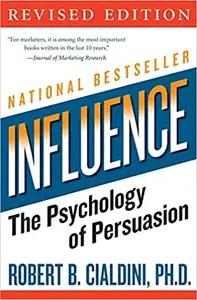
Influence
Robert Cialdini
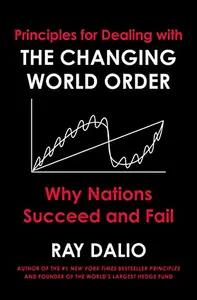
Principles for Dealing With The Changing World Order
Ray Dalio
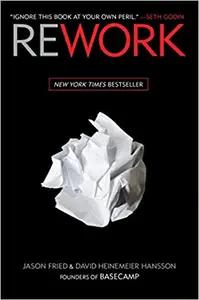
Rework
Jason Fried
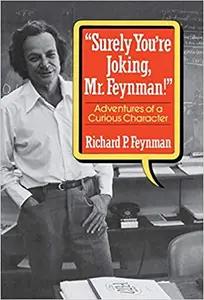
Surely You're Joking Mr. Feynman
Richard Feynman
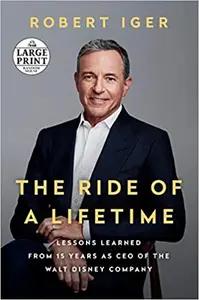
The Ride of a Lifetime
Bob Iger
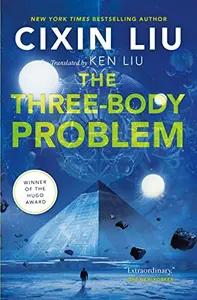
The Three Body Problem
Cixin Liu
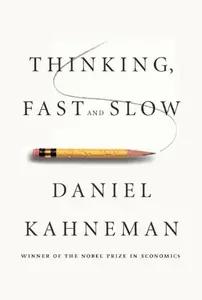
Thinking, Fast and Slow
Daniel Kahneman
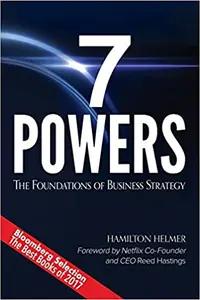
7 Powers
Hamilton Helmer
Antifragile
Nassim Nicholas Taleb
Atlas Shrugged
Ayn Rand
Blitzscaling
Reid Hoffman
Dune
Frank Herbert
Foundation
Isaac Asimov
Good To Great
Jim Collins
Hopping Over The Rabbit Hole
Anthony Scaramucci
Man's Search for Meaning
Viktor Frankl