Recommended byNaval Ravikant
About This Book
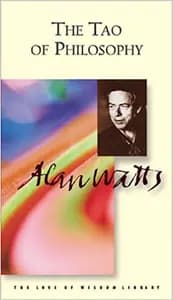
Acclaimed philosopher and writer Alan Watts delves into the essence of Eastern philosophy in his enlightening book, "Tao of Philosophy." With his characteristic unassuming style, Watts navigates the complex ideas of Taoism, Zen Buddhism, and Confucianism, presenting them in a manner accessible to both seekers of spiritual wisdom and philosophical enthusiasts.
In "Tao of Philosophy," Watts explores the concept of the Tao, the fundamental principle underlying all existence, and its harmonious relationship with the ever-changing world. He elucidates how the Tao is not something to be intellectually grasped, but rather experienced through a deep understanding of the interconnectedness of everything. Watts discusses how surrendering to the natural flow of life and embracing the present moment can lead to greater fulfillment and inner peace.
Drawing on the teachings of ancient Chinese sages, Watts emphasizes the importance of living in harmony with nature and the importance of self-acceptance. He explores the concept of Wu Wei, the effortless action that arises from being in tune with the Tao, and its implications for individuals seeking balance and purpose in their lives.
Watts also delves into the philosophy of Zen Buddhism, highlighting its focus on direct experience and the cultivation of mindfulness. He explains the Zen concept of "no-mind," where one transcends thinking and attains a state of pure awareness. By letting go of our incessant mental chatter and expectations, Watts suggests that we can tap into our inherent wisdom and fully embrace the present moment.
Furthermore, "Tao of Philosophy" delves into the teachings of Confucius, offering insights into the importance of social harmony and the cultivation of virtue. Watts explores how the Confucian emphasis on righteousness, loyalty, and filial piety can contribute to a more balanced and fulfilling life within both personal and societal contexts.
Throughout the book, Watts weaves together these various ancient philosophical traditions, inviting readers to embrace the harmonious wisdom they offer. With clarity and profound insights, "Tao of Philosophy" is a guide that inspires readers to explore their own relationship with the Tao and find a deeper meaning and purpose in life.
In "Tao of Philosophy," Watts explores the concept of the Tao, the fundamental principle underlying all existence, and its harmonious relationship with the ever-changing world. He elucidates how the Tao is not something to be intellectually grasped, but rather experienced through a deep understanding of the interconnectedness of everything. Watts discusses how surrendering to the natural flow of life and embracing the present moment can lead to greater fulfillment and inner peace.
Drawing on the teachings of ancient Chinese sages, Watts emphasizes the importance of living in harmony with nature and the importance of self-acceptance. He explores the concept of Wu Wei, the effortless action that arises from being in tune with the Tao, and its implications for individuals seeking balance and purpose in their lives.
Watts also delves into the philosophy of Zen Buddhism, highlighting its focus on direct experience and the cultivation of mindfulness. He explains the Zen concept of "no-mind," where one transcends thinking and attains a state of pure awareness. By letting go of our incessant mental chatter and expectations, Watts suggests that we can tap into our inherent wisdom and fully embrace the present moment.
Furthermore, "Tao of Philosophy" delves into the teachings of Confucius, offering insights into the importance of social harmony and the cultivation of virtue. Watts explores how the Confucian emphasis on righteousness, loyalty, and filial piety can contribute to a more balanced and fulfilling life within both personal and societal contexts.
Throughout the book, Watts weaves together these various ancient philosophical traditions, inviting readers to embrace the harmonious wisdom they offer. With clarity and profound insights, "Tao of Philosophy" is a guide that inspires readers to explore their own relationship with the Tao and find a deeper meaning and purpose in life.
What People Are Saying
More Praise
Naval Ravikant mentioned Tao of Philosophy on 'The Tim Ferriss Show' podcast.
Revisit Your Highlights, Deepen Your Understanding
Import your Kindle highlights to review, organize, and share the ideas that matter most to you.
Get the free browser extension
Share This Book
More Books in Philosophy
View More
Meditations
Marcus Aurelius
The Courage To Be Disliked
Ichiro Kishimi
A Guide To The Good Life
William B. Irvine
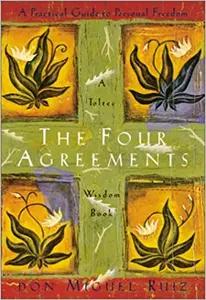
The Four Agreements
Don Miguel Ruiz
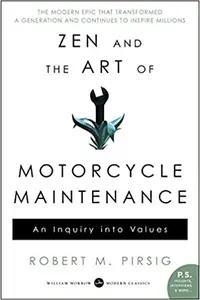
Zen and the Art of Motorcycle Maintenance
Robert M. Pirsig
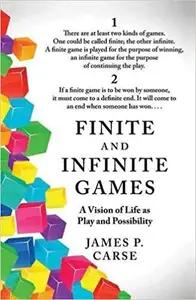
Finite and Infinite Games
James Carse

Letters from a Stoic
Lucius Annaeus Seneca
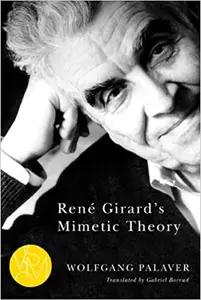
René Girard's Mimetic Theory
Wolfgang Palaver
Seeking Wisdom
Peter Bevelin
Spiritual Enlightenment, the Damnedest Thing
Jed McKenna

Status Anxiety
Alain De Botton
The Prophet
Kahlil Gibran
The Republic
Plato
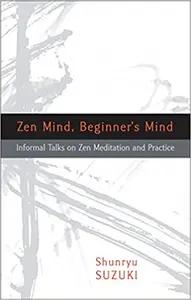
Zen Mind, Beginners Mind
Shunryu Suzuki
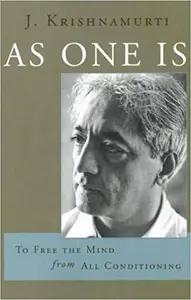
As One Is
Jiddu Krishnamurti
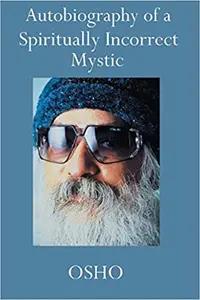
Autobiography of a Spiritually Incorrect Mystic
Osho
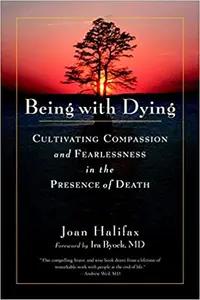
Being With Dying
Joan Halifax
Beyond Good and Evil
Friedrich Nietzsche
Confessions of a Philosopher
Bryan Magee
Consolations
David Whyte
Courage
Osho

Die With Zero
Bill Perkins
Dreamstate
Jed McKenna

Explaining Social Behavior
Jon Elster
Fallen Leaves
Will Durant
Falling into Grace
Adyashanti

How To Live
Sarah Bakewell

How Will You Measure Your Life?
Clayton Christensen
I Think, Therefore I Laugh
John Allen Paulos
Invariances
Robert Nozick
Popular Books Recommended by Great Minds 📚
Sapiens
Yuval Noah Harari
The Hard Thing About Hard Things
Ben Horowitz
Zero to One
Peter Thiel
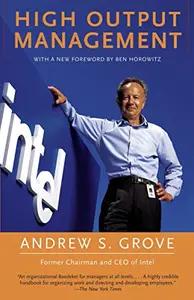
High Output Management
Andrew Grove
Principles
Ray Dalio

Shoe Dog
Phil Knight
Snow Crash
Neal Stephenson
Meditations
Marcus Aurelius
Originals
Adam Grant
Poor Charlie's Almanack
Charlie Munger

The Innovators Dilemma
Clayton Christensen
The Lean Startup
Eric Reis
The Sovereign Individual
James Dale Davidson & William Rees-Mogg
High Growth Handbook
Elad Gil
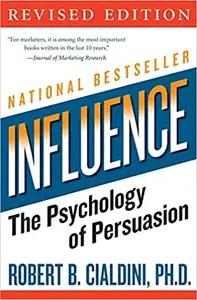
Influence
Robert Cialdini
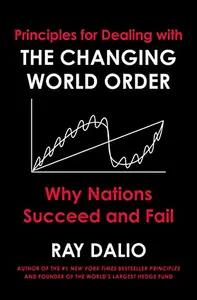
Principles for Dealing With The Changing World Order
Ray Dalio
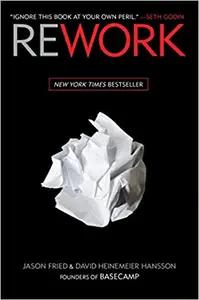
Rework
Jason Fried
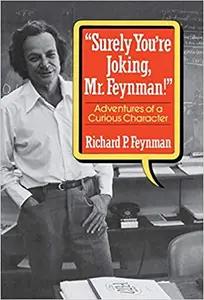
Surely You're Joking Mr. Feynman
Richard Feynman
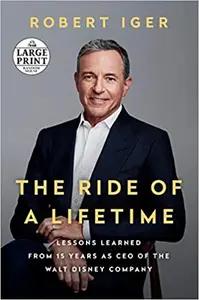
The Ride of a Lifetime
Bob Iger
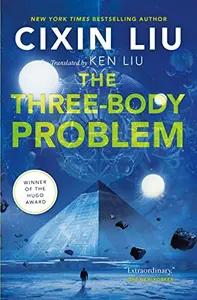
The Three Body Problem
Cixin Liu
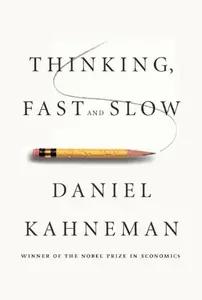
Thinking, Fast and Slow
Daniel Kahneman
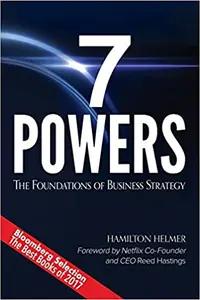
7 Powers
Hamilton Helmer
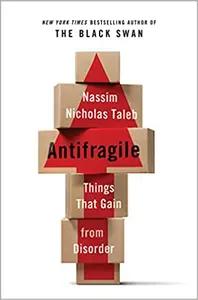
Antifragile
Nassim Nicholas Taleb
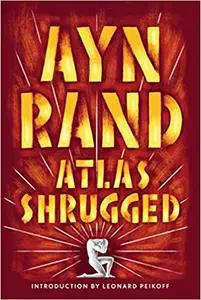
Atlas Shrugged
Ayn Rand
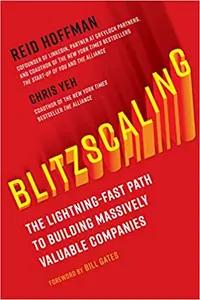
Blitzscaling
Reid Hoffman
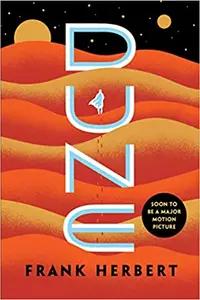
Dune
Frank Herbert
Foundation
Isaac Asimov
Good To Great
Jim Collins
Hopping Over The Rabbit Hole
Anthony Scaramucci
Man's Search for Meaning
Viktor Frankl