Child’s Pose Yoga Pose – A Deep Dive into the Restorative Asana

Nov 03, 2025
4 min read
6 views
Introduction to Child’s Pose Yoga Pose
The Childs Pose Yoga Pose, also known as Balasana in Sanskrit, is one of the most grounding and restorative yoga postures practiced in almost every style of yoga. It symbolizes rest, surrender, and introspection. Though it looks simple, this pose offers profound benefits for the body, mind, and spirit. The Child’s Pose Yoga Pose is often used as a resting position during yoga sequences, allowing practitioners to reconnect with their breath and regain balance.
The Meaning and Origin of Child’s Pose Yoga Pose
The Sanskrit Name – Balasana
In Sanskrit, Bala means “child” and asana means “pose” or “seat.” The Child’s Pose Yoga Pose gets its name because it resembles a small child curled up in a fetal position—a natural symbol of safety, rest, and grounding. Originating from traditional Hatha Yoga, this asana is designed to promote relaxation and release tension in the body.
Symbolic Significance
Beyond its physical shape, Child’s Pose Yoga Pose represents humility and surrender. It reminds practitioners to bow to the earth and let go of ego, stress, and restlessness. This posture invites stillness, teaching us to find peace even in simplicity.
How to Practice Child’s Pose Yoga Pose?
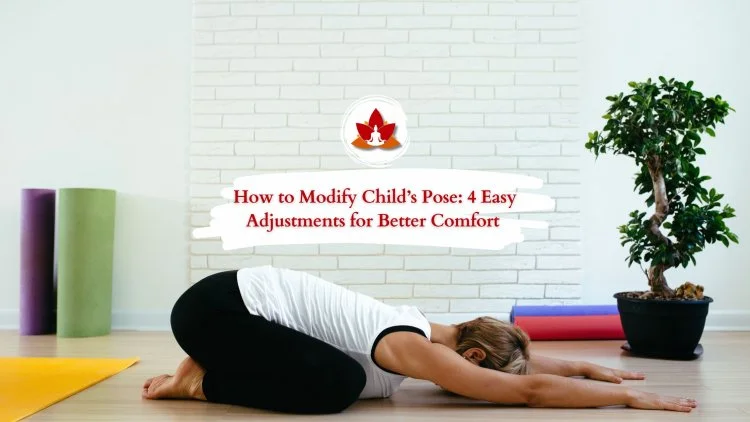
Step-by-Step Guide
Begin on your hands and knees in a tabletop position.
Bring your big toes together and spread your knees apart.
Exhale and lower your torso between your thighs.
Stretch your arms forward, palms facing down, or rest them alongside your body.
Rest your forehead gently on the mat.
Close your eyes and take slow, deep breaths.
Stay in Child’s Pose Yoga Pose for as long as it feels comfortable, breathing mindfully.
Common Mistakes to Avoid
Forcing your hips to touch your heels.
Holding tension in your shoulders.
Forgetting to breathe deeply.
Pressing your head too hard on the mat.
Always remember, Child’s Pose Yoga Pose is about surrender, not perfection.
Benefits of Child’s Pose Yoga Pose
1. Physical Benefits
The Child’s Pose Yoga Pose stretches the spine, hips, thighs, and ankles. It gently releases tension in the back, neck, and shoulders. For those with lower back discomfort, this posture provides a gentle elongation and relief from tightness. It’s also beneficial for digestion as it lightly massages the abdominal organs.
2. Mental and Emotional Benefits
One of the most soothing aspects of Child’s Pose Yoga Pose is its ability to calm the nervous system. The gentle forward fold encourages introspection, making it an ideal posture for stress relief and anxiety reduction. Practicing this pose regularly enhances mindfulness and emotional balance.
3. Energetic Benefits
In yogic philosophy, Child’s Pose Yoga Pose helps balance the root chakra (Muladhara), which governs feelings of safety and stability. The grounding nature of the pose helps you reconnect with the earth element, restoring inner peace.
Modifications and Variations
For Beginners
If you find it difficult to rest your hips on your heels, place a bolster or folded blanket between your thighs and calves. This makes the Child’s Pose Yoga Pose more accessible and comfortable.
Extended Child’s Pose
In this variation, stretch your arms forward, palms pressing into the mat. This version deepens the stretch in the shoulders and spine, providing a fuller release.
Restorative Child’s Pose
For a deeply relaxing version, place a bolster or cushion under your chest and head. The Restorative Child’s Pose Yoga Pose allows you to stay longer in the posture and experience profound relaxation.
Precautions and Contraindications
While the Child’s Pose Yoga Pose is generally safe, it’s not suitable for everyone. Avoid this pose if you have:
Recent knee or ankle injuries
Severe back pain
Pregnancy (opt for a wider-knee variation)
Always consult a certified yoga instructor to ensure proper alignment and modifications for your body type.
Integrating Child’s Pose Yoga Pose into Your Practice
As a Resting Pose
The Child’s Pose Yoga Pose can be used between challenging sequences like backbends or inversions to rest and reset your breath. Many yoga teachers encourage students to return to Balasana whenever they need a pause.
In Meditation and Pranayama
This pose also supports gentle meditation or breathwork. Sitting quietly in Child’s Pose Yoga Pose encourages a meditative state, where your awareness turns inward.
As a Cool-Down Pose
After an intense yoga practice, finishing your session with Child’s Pose Yoga Pose helps lower the heart rate and soothe the nervous system.
Spiritual Connection of Child’s Pose Yoga Pose
Spiritually, Child’s Pose Yoga Pose embodies humility, devotion, and surrender. It teaches you to trust life’s flow and let go of control. When practiced mindfully, this asana can become a sacred ritual of self-acceptance and inner peace.
Conclusion
The Child’s Pose Yoga Pose is much more than a simple resting posture—it’s a holistic tool for physical, emotional, and spiritual restoration. Whether you’re a beginner or an advanced practitioner, returning to Balasana reminds you of yoga’s essence: to connect with your inner self through stillness, breath, and awareness.
By integrating Child’s Pose Yoga Pose into your daily routine, you nurture both body and soul, cultivating a deep sense of calm, balance, and harmony.