Beginners Guide To Master Java Full Stack

Sep 04, 2025
3 min read
5 views
Introduction
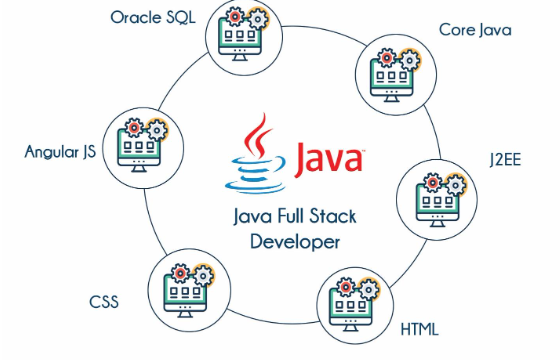
Developing web apps using Java Full Stack is a whole approach. Dynamic and user-friendly solutions are made possible by it by integrating front-end, back-end, and database systems. Studying this field opens several employment opportunities as businesses hunt for qualified developers. For developing full web applications, the Java Full Stack Developer Course provides thorough instruction in front-end, back-end, and database technologies. Newcomers need a clear path to learn basic concepts and methods. This tutorial offers the groundwork for success from learning Java fundamentals to operating frameworks, databases, and deployment. Begin your trip with commitment and regular study to become a fluent Java Full Stack developer.
Tips For Beginners To Master Java Full Stack
Java full stack development is among the most requested career choices in the software industry. Front-end, back-end, and database technologies combine to produce complete web applications. Beginners need to know how every level interacts. The fundamental procedures to become Java Full Stack expert are found in this guide. Moreover, it will clarify why this talent is in demand and how you can create a solid foundation.
Understand the Basics of Java
One must begin with Java's fundamental ideas. Understand data types, loops, exception handling, and object-oriented programming. Back-end development depends on these ideas. Since they are used in every Java project, center on courses, inheritance, and interfaces. Gain assurance by writing little programs.
Learn Front-End Development
For a Java Full Stack developer, understanding the user interface is critical. Start with HTML for construction, CSS for design, and JavaScript for interactiveness. Once you grasp the basics, switch to React or Angular frameworks. These frameworks let you develop user-friendly, visually appealing applications front-end skills let you create dynamic and responsive websites.
Master Java Frameworks for Back-End
Once you have gone through Java basics, graduate to frameworks such as Spring and Spring Boot. Hands-on instruction under professional guidance is offered in the Java Full Stack Developer Course in Noida to assist you become adept in full stack development. Building back-end apps makes extensive use of these structures. They help to streamline dependencies management and RESTful APIs creation. Find instruction on managing HTTP requests, building controllers, and linking your application to a database.
Understand Database Management
Data must be dealt with by a full stack developer. Begin with relational databases such PostgreSQL or MySQL. Acquire knowledge of table creation, querying, and data management. Learn ideas like indexing, foreign keys, and primary keys. Investigate Java's interface with databases via JDBC or JPA. Knowing this will enable you to regulate application data flow.
Learn Version Control and Deployment
Every developer needs version control. Master Git to coordinate with groups and organize your code. Know commands like commit, push, and pull. When you are familiar with Git, discover how to publish your programs. Start with basic hosting providers then investigate cloud services such AWS or Azure.
Build Projects and Practice Regularly
Through practice, one can become proficient in Java Full Stack most effectively. Begin with little projects such a to-do app or blog setup. Create sophisticated apps including both front-end and back-end. Every project will assist you in honing industry-ready problem-solving skills. By addressing fundamental principles, frameworks, and actual situations, the Java Full Stack Interview Questions get applicants ready for technical rounds.
Conclusion
Because it combines several talents in one capacity, Java Full Stack development presents a fulfilling career. Start with Java basics then go on front-end, back-end, and database management. Regularly practice and create actual projects to build confidence. To finish the development cycle, master deployment and version control. You can learn Java Full Stack with perseverance and commitment and find a good place in the computer industry.