Sci-Fi to Reality: The Next Generation of Unicorn Startups

Oct 29, 2025
3 min read
0 views
In a world where innovation seems to be racing ahead at warp speed, it's essential to have a sense of direction. But what if that direction could be found in the stories of science fiction? What if the imaginative tales spun by authors held the keys to our future? If history is any guide, billion-dollar startups are hidden within the Sci-Fi Idea Hub from the past.
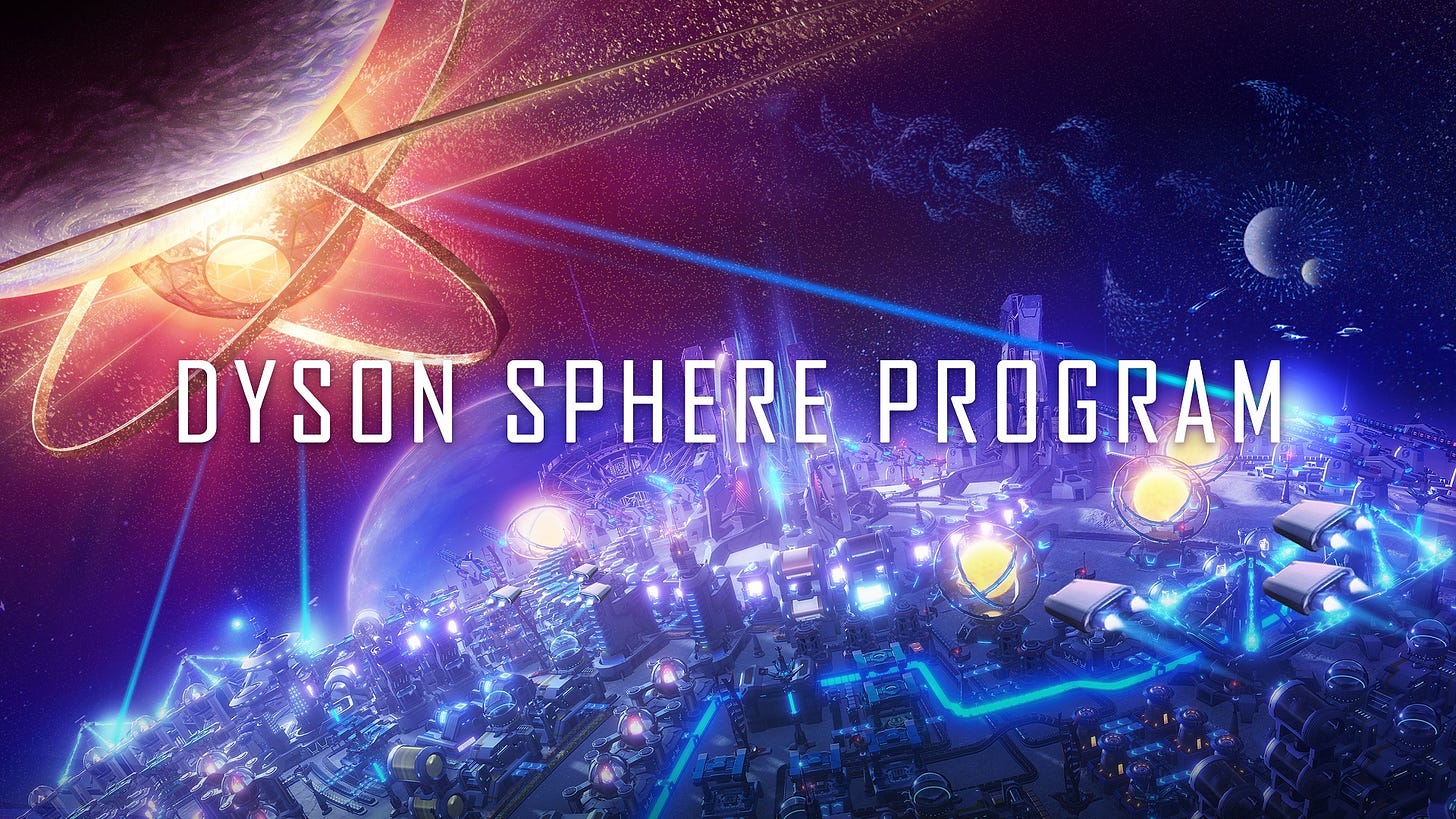
I've always been a huge fan of sci-fi. From classic films like Terminator and Star Wars to epic games like Mass Effect, Deus Ex, and Anno, I've found myself endlessly captivated by the boundless possibilities of these worlds. I love the opportunities that sci-fi opens up. It allows me to imagine what the future could be like and inspires me to think about the possibilities of technology. Dyson Sphere Program is by far one of the most complex Space simulation games I have ever played. The idea of building galactic-level civilizations still amazes me. I even had to use Excel at times to plan my logistics because planetary logistics management in the game is a nightmare. I had to remember industrial layouts and logistics systems for tens of planets to research new technologies in the game
One of the things that I've always wondered about is how many sci-fi ideas from past have actually come true. After all, sci-fi has a long history of predicting the future. I recently came across the Sci-Fi Idea Bank by Packy McCormick. The Sci-Fi Idea Bank is a collection of 3700+ science fiction concepts from the past, extracted from the website Technovelgy. It's been enhanced with information on whether these ideas have become a reality, including specifics like who made them, when they were made, what was created, additional details, and whether they are mainly digital or physical in nature. The Sci-Fi Idea Hub isn't just a collection of concepts; it's a treasure map. You can take these ideas and add depth and context to them.
Out of the 3,746 ideas on the list, around 966 have been brought to life. That's roughly 26%. Ideas that deal with Bits (Software) were more likely to become real than ideas involving physical stuff… Everybody boasts about software products. There is still a long way to go for hardware products, not to mention that out of the top 10 Fortune 500 companies by market cap, only three companies primarily derive revenue from software products (Microsoft, Alphabet, Meta). Software products always get attention due to the economics of selling or network effects.
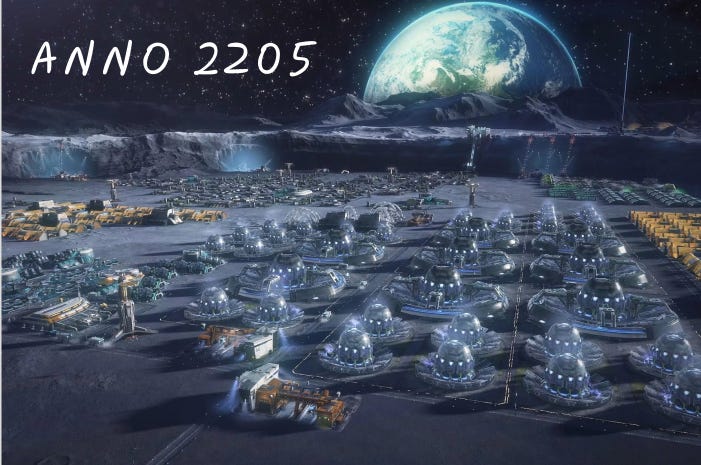
I hope to see Helium reactors, quantum chips, Longevity, and FTL warp drives someday become a reality. Well, at least I can try these technologies in games like Anno 2205 and Dyson Sphere Program for now (: We might see unicorns emerging from these industries in the near future.
Check out the Idea Bank here:
Thanks to Packy from Not Boring for taking the initiative, and to Bill Christensen for creating the Technovelgy site!