Salwar for Men: Tradition, Style, and Cultural Expression

Nov 02, 2025
6 min read
3 views
The salwar for men is more than just a garment—it is an expression of legacy, dignity, and regional identity. While often associated with feminine wardrobes, its masculine presence stretches across centuries and civilizations. This clothing piece carries profound cultural symbolism and has long been celebrated by kings, saints, scholars, and commoners across South Asia and beyond.
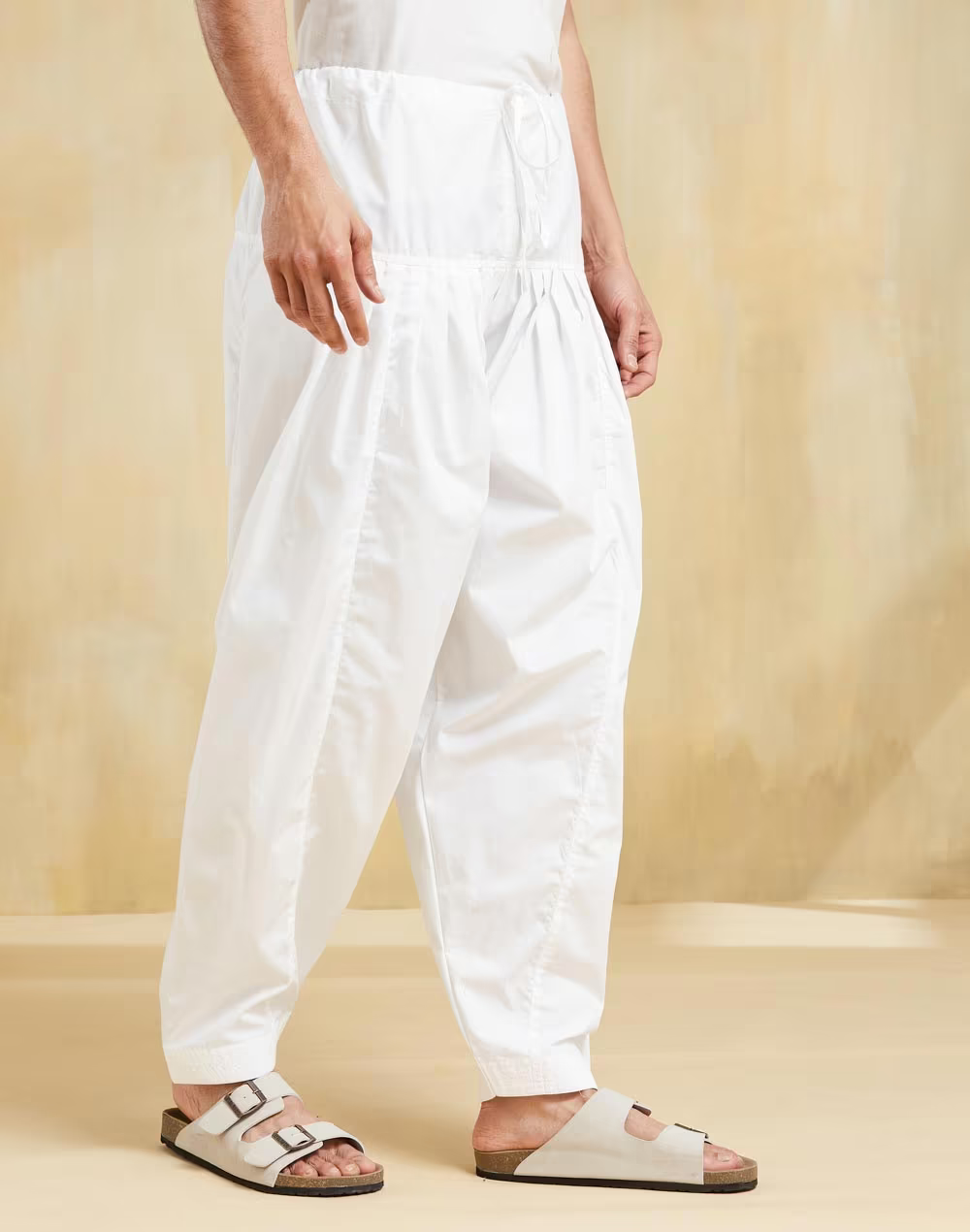
Its essence lies in elegance blended with movement. Soft pleats, a relaxed silhouette, and careful tailoring come together to form attire that communicates grace with purpose. For generations, craftsmen have shaped this ensemble to reflect prestige, modesty, and everyday practicality. Whether worn in royal courts or village gatherings, the salwar for men has been a quiet yet powerful representation of cultural continuity.
The Cultural Story Behind the Garment
Different regions hold unique interpretations and styles, but all share one thread—respect for tradition. Long before modern tailoring practices emerged, hand-woven fabrics and natural dyes created versions fit for leaders and spiritual figures.
This ensemble took shape alongside major shifts in civilization:
Medieval courts where nobility wore heavily embroidered versions
Spiritual communities that valued simple, breathable variants
Rural regions where functionality and comfort guided stitching styles
Trade caravans where fabrics traveled and influenced regional silhouettes
Every community shaped the salwar for men differently, imprinting regional character. In Punjab, it carries an agricultural, earthy spirit. In Kashmir, we find wool-rich seasonal versions. Across Central Asia, versions with roomy cuts supported long nomadic travel.
The garment has embraced utility, spiritual symbolism, and high cultural status at different times, showing versatility unlike many other traditional fits.
What Makes Salwar for Men Distinct?
The uniqueness lies in engineering comfort without compromising decorum. Gentle tapering, broad upper volume, narrowing around the ankles, and adjustable waistbands shape a structure built for work, ritual, rest, and ceremony alike.
A few defining features include:
Articulated folds offering flexibility during movement
Drawstring waist or tailored bands to suit diverse body types
Breathable textiles suitable for varied climates
Roomy hip and thigh space supporting daily activity
Cuffs at the ankle that maintain a clean fall and prevent dragging
While contemporary trousers often prioritize straight silhouettes, the salwar for men honors shape fluidity and ease. This natural comfort has contributed to its endurance.
Fabrics and Regional Textiles
The textile selected influences personality. Lightweight cotton enhances breathability, whereas silk or brocade adds grandeur suitable for ceremonial events. Wool or blended fibres protect against winter chill.
Common fabric choices include:
Cotton mulmul
Handloom cotton varieties
Linen blends
Silk
Raw silk
Wool blends for mountainous regions
Local weaving traditions bring deeper character. Phulkari embroidery, Kashmiri sozni work, and handmade zari borders have embellished salwar for men across eras. Craft mastery breathes life into each thread, carrying generational knowledge.
Tailoring Nuances Professionals Appreciate
Apparel experts often emphasize how subtle tailoring can completely change the garment’s form. A millimeter difference in tapering, extra pleating for waist comfort, or refined ankle cuffs can determine elegance versus imbalance.
Attention goes to:
Pleat count and depth
Waistband structure and fastening style
Leg tapering ratio
Panel placement for drape
Fabric grain alignment
Finish quality around seams
Skilled artisans treat construction like sculpture. Their work allows salwar for men to maintain graceful movement while staying structured.
Styling Through Eras
From Mughal courts to rural gatherings, each period contributed elements of style. Early influences favored rich embellishment and lavish cloth. Spiritual circles adopted restrained tones and natural fibres. Modern wearers lean toward clean lines and understated elegance.
Examples across settings:
Royal occasions once featured heavy embroidery and gold thread
Cultural festivals may involve patterned silk or cotton prints
Daily wear often focuses on neutral-hued handloom cotton
Ritual contexts may prioritize white or earth-based tones
The salwar for men has evolved without losing its essence—adaptability anchored in heritage.
Modern Appeal Without Compromising Roots
Fashion houses outside South Asia have taken interest in silhouettes inspired by this heritage piece. Designers from global runways re-imagine its form with minimalist cuts and elevated fabrics. Yet, communities rooted in tradition view the modern fascination not as reinvention, but as acknowledgement.
Men who choose salwar attire contribute to cultural preservation. Their presence asserts confidence and pride in identity. For many, wearing one connects generations and reinforces a bond with ancestral customs.
Even younger demographics gravitate toward it for comfort, expressive freedom, and cultural belonging.
Key Benefits of Wearing Salwar for Men
Exceptional freedom of movement
Comfort in warm or humid climates
Elegance suited to sacred occasions
Strong cultural resonance
Versatility when paired with sherwani, kurta, or waistcoat
Craftsmanship value when artisan-made
A respectful option for ceremonies and rituals
A garment need not be complicated to radiate sophistication; sometimes, simplicity speaks stronger.
Where the Ensemble Fits Best
Different environments call for thoughtful selection, ensuring dignity and aesthetic harmony. Moments where salwar for men shines include:
Traditional celebrations
Religious gatherings
Cultural performances
Heritage weddings
Community events
Family ceremonies
Peaceful meditation and spiritual observance
Worn appropriately, the attire aligns beautifully with settings of pride, reverence, and memory.
Craftsmanship and Artisan-ship
Behind every salwar for men stands skill honed by years of practice. A single piece may involve fabric selection, dyeing, cutting, hand-stitching, finishing, embroidery, and washing.
Communities depend on this craft—supporting livelihoods, sustaining rural economies, and preserving weaving legacies passed down like family heirlooms. Fabric doesn’t simply clothe; it narrates stories of artisans who weave heart and history into every seam.
Maintaining the Garment
Proper care keeps fabric longevity intact. Gentle washing, storing away from harsh sunlight, and iron handling based on fabric type safeguard its structure. Silk pieces benefit from soft steaming, while cotton may be starched lightly for crispness.
Seasoned wearers often assign attire according to seasons and occasions, ensuring each textile receives its best environment.
Future of Salwar for Men
As modern wardrobes expand, blending traditional styles with contemporary preferences becomes more common. Younger individuals find themselves navigating identity between heritage and global exposure. This attire plays an essential role in that journey.
Its continued future looks promising due to:
Renewed appreciation for cultural clothing
Desire for comfort-driven attire
Rising interest in handloom craft revival
Sustainability movements valuing natural fibres
Growing respect for regional fashion on global platforms
Where fashion cycles come and go, garments rooted in emotion continue to thrive.
A Place in Modern Professional and Cultural Circles
Corporate environments often lean toward Western tailoring, yet cultural events, diplomatic engagements, and formal observances allow space for salwar attire. Its elegance communicates timelessness and a secure sense of identity.
Cultural ambassadors, community leaders, and heritage custodians often adopt it to express dignity and respect for ancestors and regional values.
Conclusion
Salwar for men stands at the intersection of culture, comfort, and personal identity. It carries the rhythm of history yet welcomes new interpretation. Its endurance comes from practicality paired with deep emotional meaning—honouring ancestry while offering graceful ease for modern life.
Every fold, stitch, and thread reminds us that fashion is not merely fabric—it is memory, dignity, and a quiet celebration of heritage. When worn with intention, this garment becomes more than attire. It becomes a statement of belonging, respect, and timeless elegance.
One may experiment with styles and fabrics, but the heart of the ensemble remains unchanged: pride wrapped in cloth, carried with grace.