### The Dual Nature of Good and Evil in Literature and Art
Hatched by Bé Begreen
Oct 26, 2025
4 min read
3 views
The Dual Nature of Good and Evil in Literature and Art
Literature and art serve as reflections of human experience, providing profound insights into the nature of good and evil. Through storytelling, we gain access to the emotions, struggles, and moral dilemmas faced by others, which ultimately enrich our understanding of humanity. However, the exploration of these concepts reveals that the lines separating good from evil are often blurred, influenced by context, perception, and the inherent complexities of human behavior.
One of the critical observations about the nature of evil is that it often emerges from a place of ignorance or indifference towards others. In our daily lives, we may commit acts that are considered "evil" not out of malice but from a lack of empathy or understanding of the experiences of those around us. When individuals become "invisible" to us—when we fail to acknowledge their struggles or perspectives—we risk perpetuating a cycle of harm. This phenomenon echoes the notion that the absence of empathy can lead to actions that are fundamentally unjust or cruel.
In the realm of literature, this theme is vividly illustrated. The narrative often serves as a vehicle for fostering empathy, allowing us to engage with the voices of others and, in doing so, challenge our perceptions. The duality of good and evil becomes more pronounced in works that evoke strong emotional responses, prompting readers to reflect on their values and the impact of their choices. For instance, the assertion that "reason sleeps, monsters are born" reminds us that a lack of critical engagement with our moral compass can lead to the emergence of malevolent traits. The act of storytelling, therefore, is not merely a reflection of reality but a challenge to it, urging us to confront our biases and assumptions.
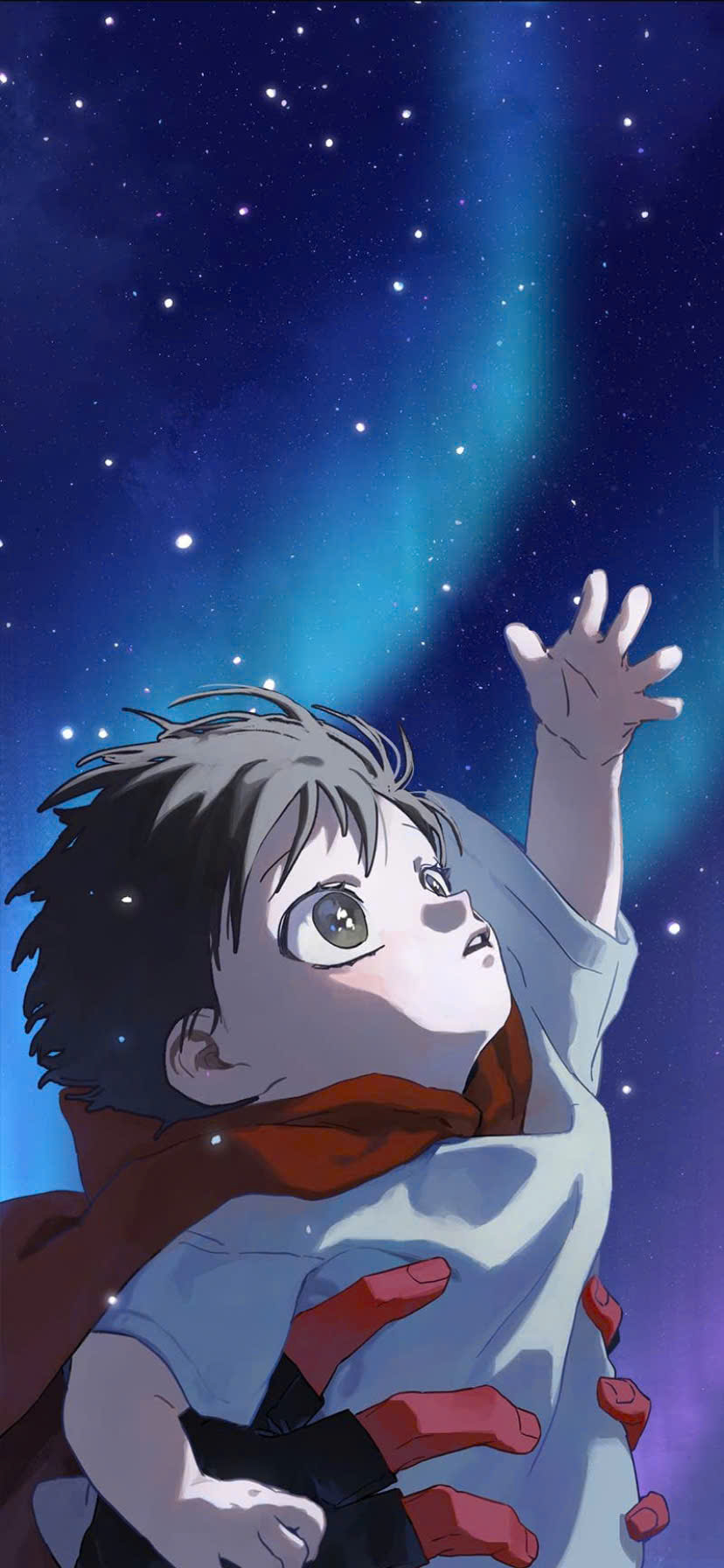
Moreover, the concepts of good and evil are often taught to children in clear-cut terms, with distinct heroes and villains. This simplification serves an essential purpose in laying the foundations of moral understanding. The innocence of childhood provides a unique lens through which the world is perceived, allowing for a straightforward interpretation of right and wrong. However, as individuals mature, the complexities of morality become evident, underscoring the necessity of critical thinking and empathy.
Similar themes can be observed in the poetic works of contemporary authors, such as Vi Thùy Linh, who delve into the construction of identity and the human experience. By comparing her work to that of Hồ Xuân Hương, we can see how both authors navigate the intricacies of societal norms and personal expression. They highlight the tension between societal expectations and individual desires, often reflecting the inner conflicts that arise when one's identity is shaped by external pressures. This exploration of self is intertwined with the notions of good and evil, as characters grapple with their choices and the moral implications of their actions.
In both literature and art, the interplay between good and evil serves as a fertile ground for exploration and understanding. Recognizing that these concepts are not absolute but rather fluid can lead to a deeper appreciation of the human condition. It invites us to engage with our moral landscape in a more nuanced way, encouraging ongoing reflection and dialogue.
Actionable Advice
-
Cultivate Empathy: Engage with literature and art that challenges your perspectives. Seek out diverse narratives that offer insights into the lives of others, fostering a deeper understanding of their experiences and emotions.
-
Encourage Open Dialogue: Create spaces for discussions about moral dilemmas and the complexities of good and evil. Encourage others, particularly young people, to express their thoughts, fostering an environment where multiple viewpoints can coexist and be explored.
-
Reflect on Personal Values: Take time to introspect on your moral beliefs. Consider the influences that shape your understanding of good and evil and how they affect your interactions with others. Regular reflection can help you stay aligned with your values and encourage growth.
Conclusion
The exploration of good and evil in literature and art is not merely an academic exercise; it is a vital part of understanding ourselves and our place in the world. By engaging with these themes thoughtfully, we can cultivate empathy, challenge our perceptions, and ultimately contribute to a more compassionate society. Literature and art are powerful tools in this journey, reminding us of the shared human experience and the importance of understanding the complexities of morality.
Sources
Hatch New Ideas with Glasp AI 🐣
Glasp AI allows you to hatch new ideas based on your curated content. Let's curate and create with Glasp AI :)
Start Hatching 🐣