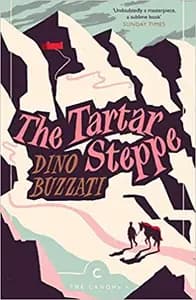
Recommended byNassim Taleb
About This Book
"The Tartar Steppe" by Dino Buzzati is a captivating and thought-provoking novel that delves into the themes of time, the meaning of life, and the human condition.
The story revolves around Giovanni Drogo, a young officer stationed at an isolated fortress located on the border of an unnamed empire. Drogo initially arrives with hopes of embarking on great military adventures, but quickly realizes that life in the fortress is mundane and monotonous.
As years go by, Drogo becomes disillusioned and trapped within the walls of the fortress, which overlooks the vast and desolate Tartar Steppe. The ongoing anticipation of an imminent attack from the Tartars leaves the soldiers in a perpetual state of unease and anticipation, giving purpose to their existence.
Throughout the novel, Drogo struggles with the passage of time and the feeling of purposelessness. He witnesses the lives of his fellow soldiers and the inhabitants of the nearby town, who seem to be living in a similar state of stagnation and resignation.
Drogo's obsession with the potential Tartar invasion becomes an allegory for the human struggle to find meaning in life. As he grows old, he clings to the hope that the attack will finally happen, believing that it will provide him with a purpose and a chance for glory.
However, as the years pass, the Tartars never appear, leaving Drogo to confront the emptiness and futility of his existence. In a poignant and introspective ending, the reader is left to question the nature of time, the pursuit of purpose, and the inherent nature of human desires.
"The Tartar Steppe" presents a profound meditation on the passage of time, the human capacity for hope, and the realization of the fleeting nature of life. Buzzati's evocative prose and rich symbolism make this novel a timeless exploration of the human condition that will resonate with readers long after its final page.
The story revolves around Giovanni Drogo, a young officer stationed at an isolated fortress located on the border of an unnamed empire. Drogo initially arrives with hopes of embarking on great military adventures, but quickly realizes that life in the fortress is mundane and monotonous.
As years go by, Drogo becomes disillusioned and trapped within the walls of the fortress, which overlooks the vast and desolate Tartar Steppe. The ongoing anticipation of an imminent attack from the Tartars leaves the soldiers in a perpetual state of unease and anticipation, giving purpose to their existence.
Throughout the novel, Drogo struggles with the passage of time and the feeling of purposelessness. He witnesses the lives of his fellow soldiers and the inhabitants of the nearby town, who seem to be living in a similar state of stagnation and resignation.
Drogo's obsession with the potential Tartar invasion becomes an allegory for the human struggle to find meaning in life. As he grows old, he clings to the hope that the attack will finally happen, believing that it will provide him with a purpose and a chance for glory.
However, as the years pass, the Tartars never appear, leaving Drogo to confront the emptiness and futility of his existence. In a poignant and introspective ending, the reader is left to question the nature of time, the pursuit of purpose, and the inherent nature of human desires.
"The Tartar Steppe" presents a profound meditation on the passage of time, the human capacity for hope, and the realization of the fleeting nature of life. Buzzati's evocative prose and rich symbolism make this novel a timeless exploration of the human condition that will resonate with readers long after its final page.
What People Are Saying
“I never understood why the book never made it in the Anglo-Saxon world. Il deserto is one of the 20th century's masterpieces.”
Revisit Your Highlights, Deepen Your Understanding
Import your Kindle highlights to review, organize, and share the ideas that matter most to you.
Get the free browser extension
Share This Book
More Books in Literature
View More
The Prince
Nicolo Machiavelli
Jonathan Livingston Seagull
Richard Bach
Letters to a Young Poet
Rainer Maria Rilke
The Alchemist
Paulo Coelho
The Razor's Edge
W. Somerset Maugham
100 Best-Loved Poems
Philip Smith
A Time for New Dreams
Ben Okri
A Wrinkle in Time
Madeleine L'Engle
A Year with Rumi
Coleman Barks

Anna Karenina
Leo Tolstoy
B
Sarah Kay
Bird by Bird
Anne Lamott
Catch-22
Joseph Heller
Crime and Punishment
Fyodor Dostoevsky
David Foster Wallace
David Foster Wallace
Demons
Fyodor Dostoevsky
Draft No. 4
John McPhee
East of Eden
John Steinbeck
Essays and Aphorisms
Arthur Schopenhauer
Essays and Lectures
Ralph Waldo Emerson
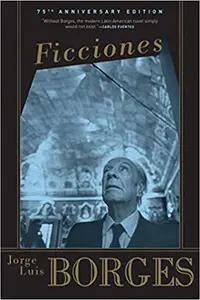
Ficciones
Jorge Luis Borges
Four Quartets
TS Eliot
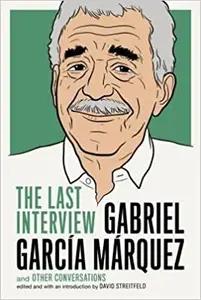
Gabriel Garcia Marquez
Gabriel Garcia Marquez
Goethe's Poems and Aphorisms
Goethe
Graphs, Maps, Trees
Franco Moretti
Great Short Poems
Paul Negri
Hamlet
William Shakespeare
Hyperbole and a Half
Allie Brosh
I Heard God Laughing
Hafiz
I Wrote This Book Because I Love You
Tim Kreider
Popular Books Recommended by Great Minds 📚
Sapiens
Yuval Noah Harari
The Hard Thing About Hard Things
Ben Horowitz
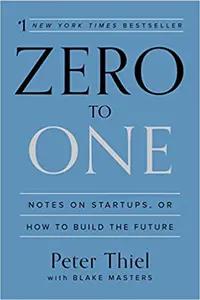
Zero to One
Peter Thiel
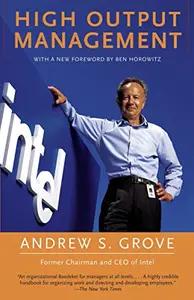
High Output Management
Andrew Grove
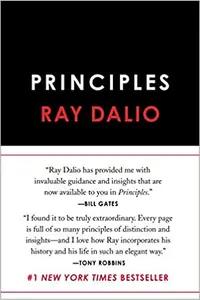
Principles
Ray Dalio
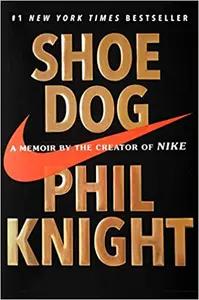
Shoe Dog
Phil Knight
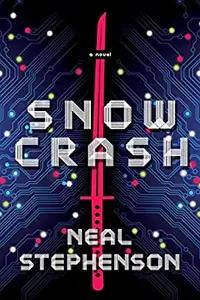
Snow Crash
Neal Stephenson
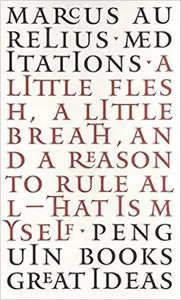
Meditations
Marcus Aurelius
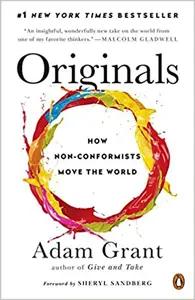
Originals
Adam Grant
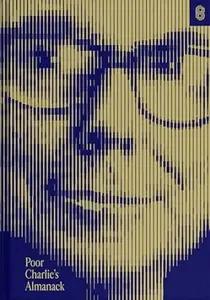
Poor Charlie's Almanack
Charlie Munger

The Innovators Dilemma
Clayton Christensen
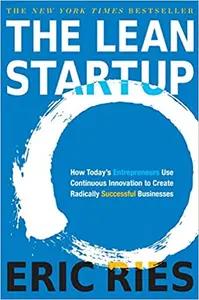
The Lean Startup
Eric Reis
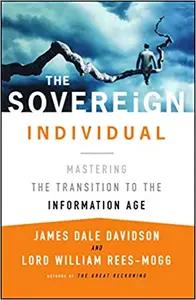
The Sovereign Individual
James Dale Davidson & William Rees-Mogg
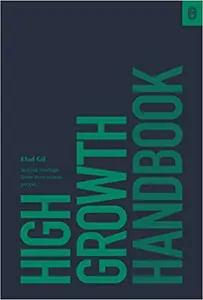
High Growth Handbook
Elad Gil
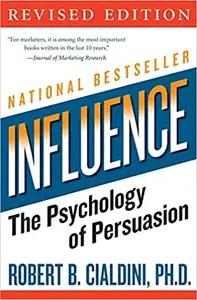
Influence
Robert Cialdini
Principles for Dealing With The Changing World Order
Ray Dalio
Rework
Jason Fried
Surely You're Joking Mr. Feynman
Richard Feynman
The Ride of a Lifetime
Bob Iger
The Three Body Problem
Cixin Liu
Thinking, Fast and Slow
Daniel Kahneman
7 Powers
Hamilton Helmer
Antifragile
Nassim Nicholas Taleb
Atlas Shrugged
Ayn Rand
Blitzscaling
Reid Hoffman
Dune
Frank Herbert
Foundation
Isaac Asimov
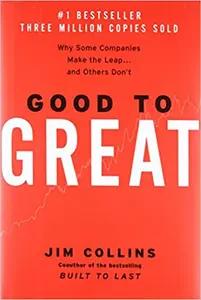
Good To Great
Jim Collins
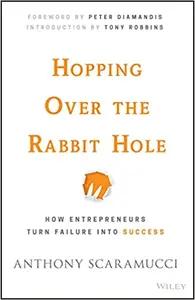
Hopping Over The Rabbit Hole
Anthony Scaramucci
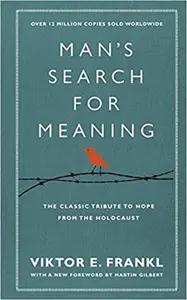
Man's Search for Meaning
Viktor Frankl