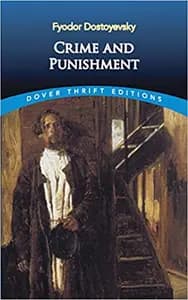
Recommended byJordan Peterson
About This Book
"Crime and Punishment" by Fyodor Dostoevsky follows the story of Rodion Raskolnikov, a poor ex-student living in St. Petersburg, Russia. Disturbed by societal inequality and his own poverty, Raskolnikov devises a theory that certain extraordinary individuals are exempt from societal laws and can commit crimes for the greater good.
Motivated by this belief, he plans and executes the murder of a pawnbroker and her sister, which he deems as a necessary evil. However, haunted by guilt and paranoia, Raskolnikov begins to unravel mentally, experiencing nightmares and hallucinations.
As the investigation into the murder unfolds, Raskolnikov becomes entangled with various characters, including the persistent detective Porfiry Petrovich, his sympathetic friend Razumikhin, and the virtuous prostitute Sonya, who has been forced into her profession by poverty.
Through encounters with these individuals, Raskolnikov wrestles with his moral justification for the crime and gradually realizes the weight of his actions. He confesses his guilt to Sonya, who becomes his confidante and source of redemption.
In the end, Raskolnikov's internal struggle climaxes as he grapples with the consequences of his crime and his own fractured psyche. "Crime and Punishment" delves into themes of morality, guilt, and the consequences of acting upon radical ideologies, presenting an intense journey into the depths of the human psyche and the unavoidable punishment that guilt manifests.
Motivated by this belief, he plans and executes the murder of a pawnbroker and her sister, which he deems as a necessary evil. However, haunted by guilt and paranoia, Raskolnikov begins to unravel mentally, experiencing nightmares and hallucinations.
As the investigation into the murder unfolds, Raskolnikov becomes entangled with various characters, including the persistent detective Porfiry Petrovich, his sympathetic friend Razumikhin, and the virtuous prostitute Sonya, who has been forced into her profession by poverty.
Through encounters with these individuals, Raskolnikov wrestles with his moral justification for the crime and gradually realizes the weight of his actions. He confesses his guilt to Sonya, who becomes his confidante and source of redemption.
In the end, Raskolnikov's internal struggle climaxes as he grapples with the consequences of his crime and his own fractured psyche. "Crime and Punishment" delves into themes of morality, guilt, and the consequences of acting upon radical ideologies, presenting an intense journey into the depths of the human psyche and the unavoidable punishment that guilt manifests.
What People Are Saying
“A book that I found particularly influential in my intellectual development.”
Revisit Your Highlights, Deepen Your Understanding
Import your Kindle highlights to review, organize, and share the ideas that matter most to you.
Get the free browser extension
Share This Book
More Books in Literature
View More
The Prince
Nicolo Machiavelli
Jonathan Livingston Seagull
Richard Bach
Letters to a Young Poet
Rainer Maria Rilke
The Alchemist
Paulo Coelho
The Razor's Edge
W. Somerset Maugham
100 Best-Loved Poems
Philip Smith
A Time for New Dreams
Ben Okri
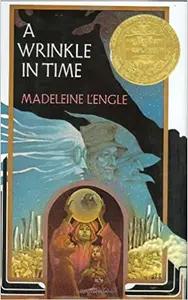
A Wrinkle in Time
Madeleine L'Engle
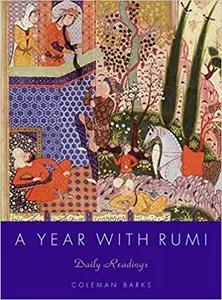
A Year with Rumi
Coleman Barks

Anna Karenina
Leo Tolstoy

B
Sarah Kay
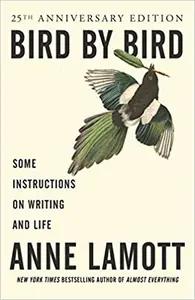
Bird by Bird
Anne Lamott
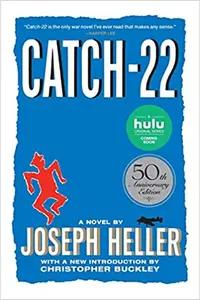
Catch-22
Joseph Heller

David Foster Wallace
David Foster Wallace
Demons
Fyodor Dostoevsky
Draft No. 4
John McPhee
East of Eden
John Steinbeck
Essays and Aphorisms
Arthur Schopenhauer
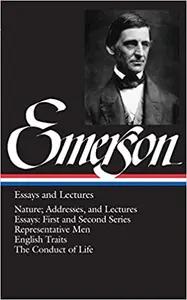
Essays and Lectures
Ralph Waldo Emerson

Ficciones
Jorge Luis Borges
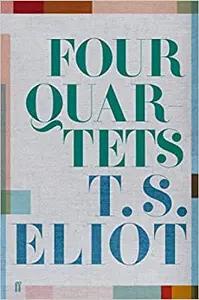
Four Quartets
TS Eliot
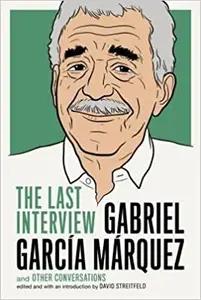
Gabriel Garcia Marquez
Gabriel Garcia Marquez

Goethe's Poems and Aphorisms
Goethe

Graphs, Maps, Trees
Franco Moretti
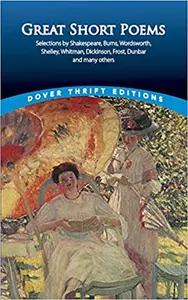
Great Short Poems
Paul Negri
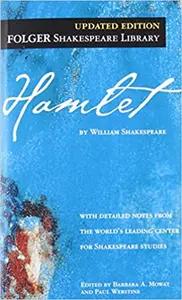
Hamlet
William Shakespeare
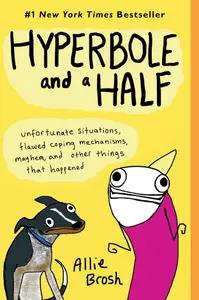
Hyperbole and a Half
Allie Brosh
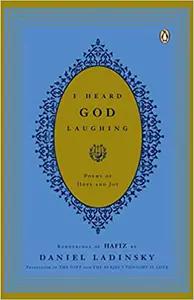
I Heard God Laughing
Hafiz
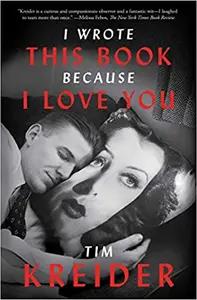
I Wrote This Book Because I Love You
Tim Kreider
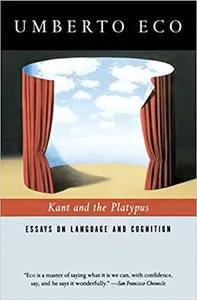
Kant and the Platypus
Umberto Eco
Popular Books Recommended by Great Minds 📚
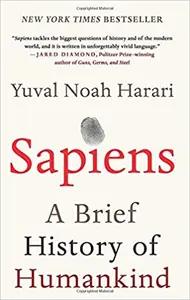
Sapiens
Yuval Noah Harari
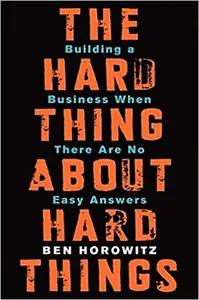
The Hard Thing About Hard Things
Ben Horowitz
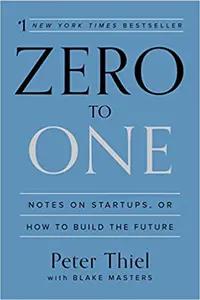
Zero to One
Peter Thiel
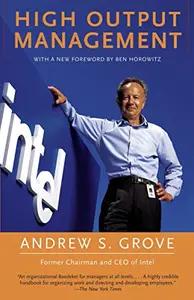
High Output Management
Andrew Grove
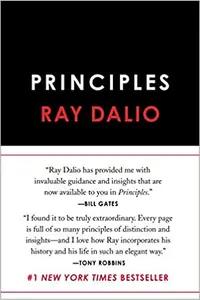
Principles
Ray Dalio
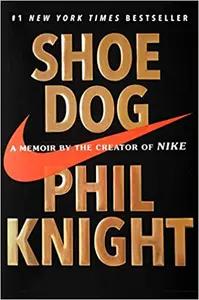
Shoe Dog
Phil Knight
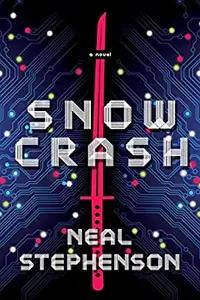
Snow Crash
Neal Stephenson
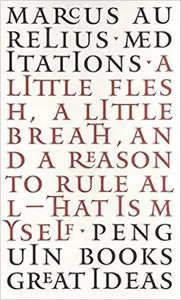
Meditations
Marcus Aurelius
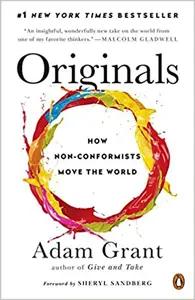
Originals
Adam Grant
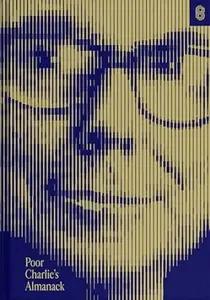
Poor Charlie's Almanack
Charlie Munger

The Innovators Dilemma
Clayton Christensen
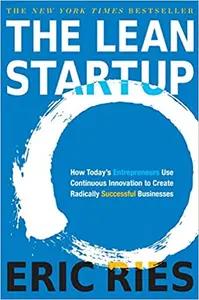
The Lean Startup
Eric Reis
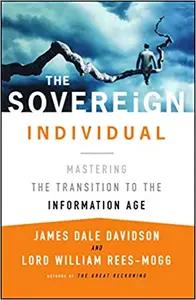
The Sovereign Individual
James Dale Davidson & William Rees-Mogg
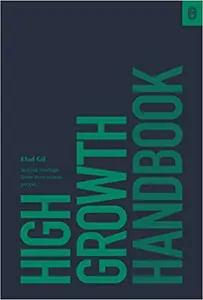
High Growth Handbook
Elad Gil
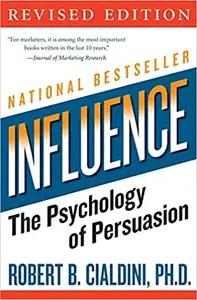
Influence
Robert Cialdini
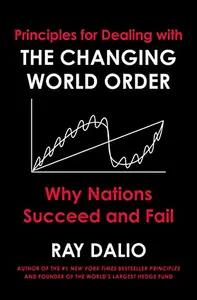
Principles for Dealing With The Changing World Order
Ray Dalio
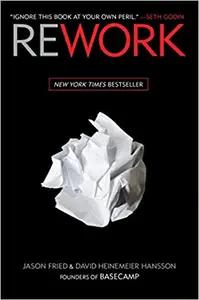
Rework
Jason Fried
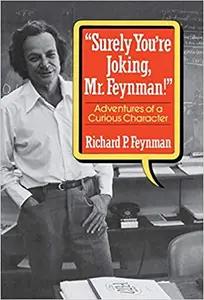
Surely You're Joking Mr. Feynman
Richard Feynman
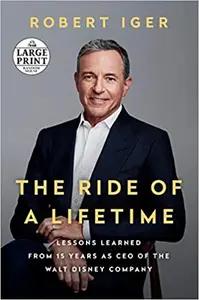
The Ride of a Lifetime
Bob Iger
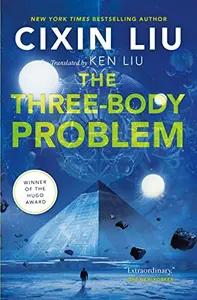
The Three Body Problem
Cixin Liu
Thinking, Fast and Slow
Daniel Kahneman
7 Powers
Hamilton Helmer
Antifragile
Nassim Nicholas Taleb
Atlas Shrugged
Ayn Rand
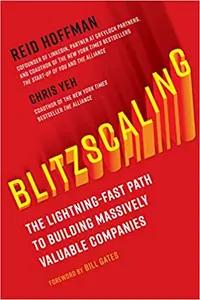
Blitzscaling
Reid Hoffman
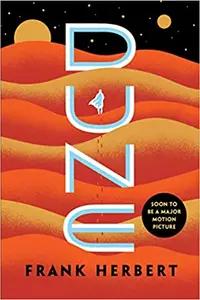
Dune
Frank Herbert
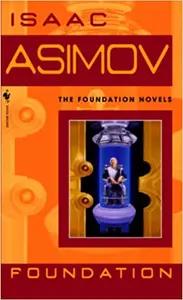
Foundation
Isaac Asimov
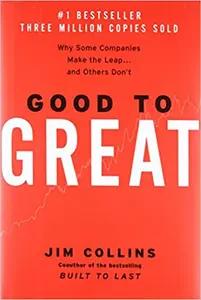
Good To Great
Jim Collins
Hopping Over The Rabbit Hole
Anthony Scaramucci
Man's Search for Meaning
Viktor Frankl