
Recommended byPatrick O Shaughnessy
About This Book
"Four Quartets" by T.S. Eliot is a profound poetic sequence composed of four interconnected poems: "Burnt Norton," "East Coker," "The Dry Salvages," and "Little Gidding." Each poem explores various themes, including time, existence, spirituality, and the human condition.
In "Burnt Norton," the first poem, Eliot contemplates the nature of time and its impact on our lives. He reflects on the complexities of time as past, present, and future intersect, examining the fleeting nature of moments and the impossibility of capturing them fully.
Moving on, "East Coker" explores the cyclical nature of life and death. Eliot meditates on humanity's connection to the past and the inevitable progression towards the future. He considers the idea of rebirth and the possibility of finding wisdom and peace within the cycles of existence.
"The Dry Salvages" delves into the realms of water and the sea, serving as a metaphor for the unpredictability and potential dangers of life. Eliot contemplates the human experience and the constant struggle against the turbulent forces of the world. He explores the themes of faith, hope, and resilience in the face of uncertainty.
Lastly, "Little Gidding" delves into spirituality, drawing from Eliot's own experiences with his Christian faith. He reflects on the pursuit of divine truth and the search for spiritual redemption. Eliot examines the concept of timelessness and the possibility of finding a sense of eternity within the limitations of temporal existence.
Through lyrical and thought-provoking verses, "Four Quartets" by T.S. Eliot offers a deep exploration of timeless human concerns, weaving together themes of time, spirituality, and the search for meaning. It invites readers to contemplate the complexities of existence and the eternal quest for understanding and connection.
In "Burnt Norton," the first poem, Eliot contemplates the nature of time and its impact on our lives. He reflects on the complexities of time as past, present, and future intersect, examining the fleeting nature of moments and the impossibility of capturing them fully.
Moving on, "East Coker" explores the cyclical nature of life and death. Eliot meditates on humanity's connection to the past and the inevitable progression towards the future. He considers the idea of rebirth and the possibility of finding wisdom and peace within the cycles of existence.
"The Dry Salvages" delves into the realms of water and the sea, serving as a metaphor for the unpredictability and potential dangers of life. Eliot contemplates the human experience and the constant struggle against the turbulent forces of the world. He explores the themes of faith, hope, and resilience in the face of uncertainty.
Lastly, "Little Gidding" delves into spirituality, drawing from Eliot's own experiences with his Christian faith. He reflects on the pursuit of divine truth and the search for spiritual redemption. Eliot examines the concept of timelessness and the possibility of finding a sense of eternity within the limitations of temporal existence.
Through lyrical and thought-provoking verses, "Four Quartets" by T.S. Eliot offers a deep exploration of timeless human concerns, weaving together themes of time, spirituality, and the search for meaning. It invites readers to contemplate the complexities of existence and the eternal quest for understanding and connection.
What People Are Saying
“Highly recommend a read of TS Eliot’s four quartets for a meditation on [stillness]”
Revisit Your Highlights, Deepen Your Understanding
Import your Kindle highlights to review, organize, and share the ideas that matter most to you.
Get the free browser extension
Share This Book
More Books in Literature
View More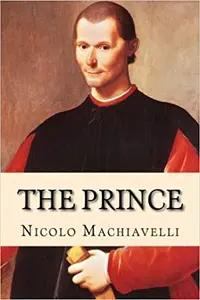
The Prince
Nicolo Machiavelli
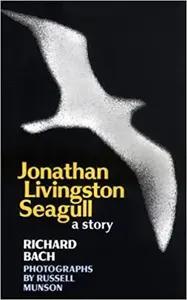
Jonathan Livingston Seagull
Richard Bach
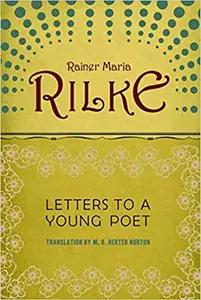
Letters to a Young Poet
Rainer Maria Rilke
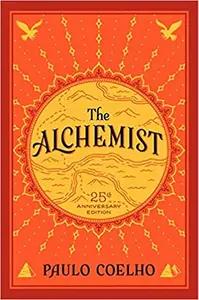
The Alchemist
Paulo Coelho
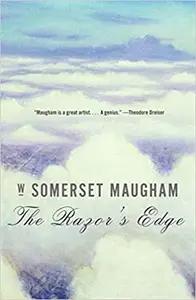
The Razor's Edge
W. Somerset Maugham
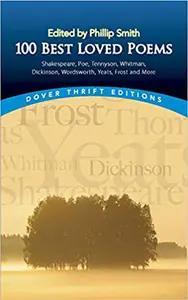
100 Best-Loved Poems
Philip Smith
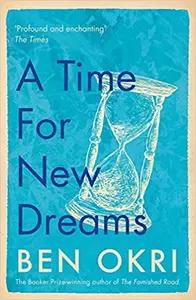
A Time for New Dreams
Ben Okri
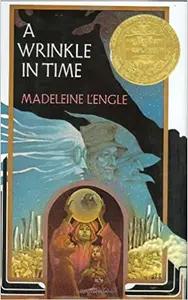
A Wrinkle in Time
Madeleine L'Engle
A Year with Rumi
Coleman Barks
Anna Karenina
Leo Tolstoy

B
Sarah Kay
Bird by Bird
Anne Lamott
Catch-22
Joseph Heller
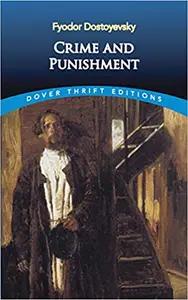
Crime and Punishment
Fyodor Dostoevsky

David Foster Wallace
David Foster Wallace
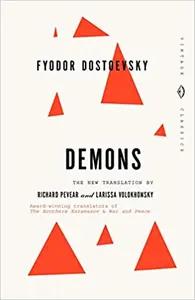
Demons
Fyodor Dostoevsky
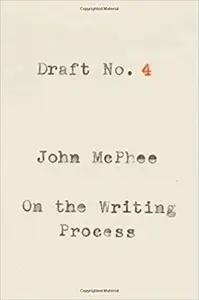
Draft No. 4
John McPhee
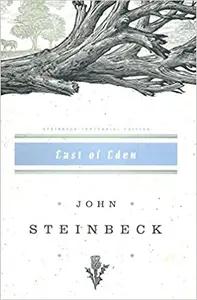
East of Eden
John Steinbeck
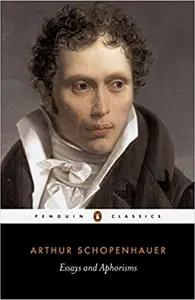
Essays and Aphorisms
Arthur Schopenhauer
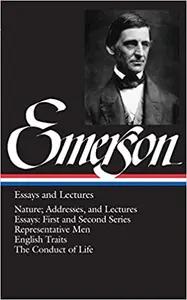
Essays and Lectures
Ralph Waldo Emerson
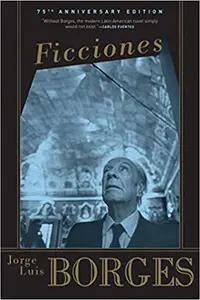
Ficciones
Jorge Luis Borges
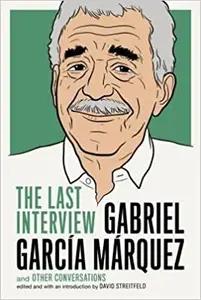
Gabriel Garcia Marquez
Gabriel Garcia Marquez
Goethe's Poems and Aphorisms
Goethe
Graphs, Maps, Trees
Franco Moretti
Great Short Poems
Paul Negri
Hamlet
William Shakespeare
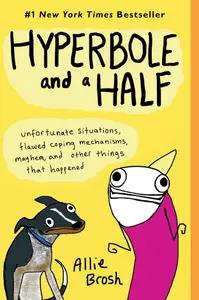
Hyperbole and a Half
Allie Brosh
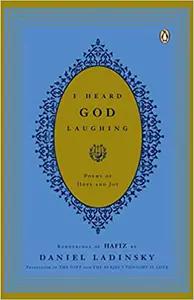
I Heard God Laughing
Hafiz
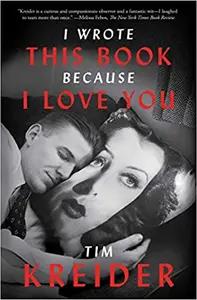
I Wrote This Book Because I Love You
Tim Kreider
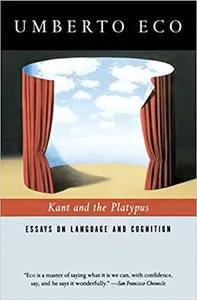
Kant and the Platypus
Umberto Eco
Popular Books Recommended by Great Minds 📚
Sapiens
Yuval Noah Harari
The Hard Thing About Hard Things
Ben Horowitz
Zero to One
Peter Thiel
High Output Management
Andrew Grove
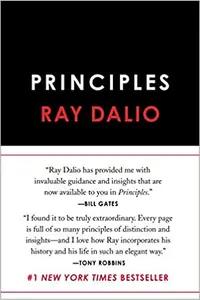
Principles
Ray Dalio

Shoe Dog
Phil Knight
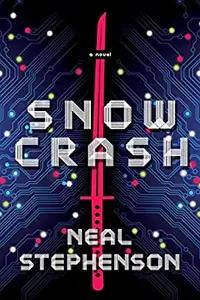
Snow Crash
Neal Stephenson
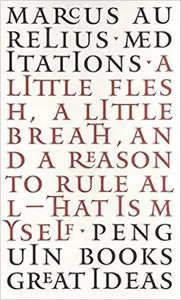
Meditations
Marcus Aurelius
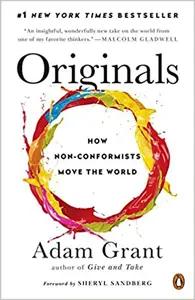
Originals
Adam Grant
Poor Charlie's Almanack
Charlie Munger

The Innovators Dilemma
Clayton Christensen
The Lean Startup
Eric Reis
The Sovereign Individual
James Dale Davidson & William Rees-Mogg
High Growth Handbook
Elad Gil
Influence
Robert Cialdini
Principles for Dealing With The Changing World Order
Ray Dalio
Rework
Jason Fried
Surely You're Joking Mr. Feynman
Richard Feynman

The Ride of a Lifetime
Bob Iger
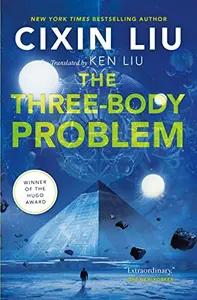
The Three Body Problem
Cixin Liu
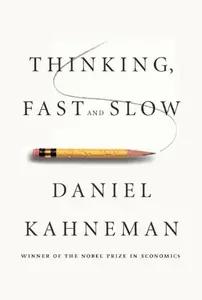
Thinking, Fast and Slow
Daniel Kahneman
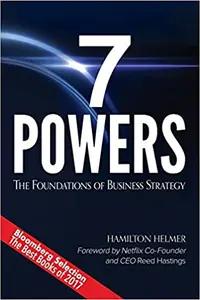
7 Powers
Hamilton Helmer
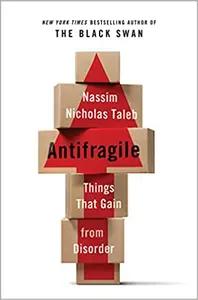
Antifragile
Nassim Nicholas Taleb
Atlas Shrugged
Ayn Rand
Blitzscaling
Reid Hoffman
Dune
Frank Herbert
Foundation
Isaac Asimov
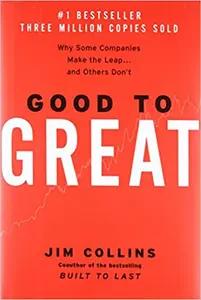
Good To Great
Jim Collins
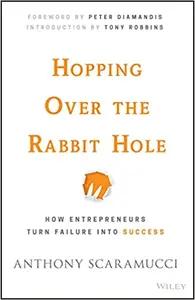
Hopping Over The Rabbit Hole
Anthony Scaramucci
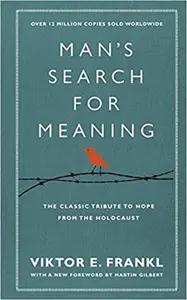
Man's Search for Meaning
Viktor Frankl