
The Revolt of the Public: And the Crisis of Authority in the New Millennium
by Martin Gurri
Recommended byMarc Andreessen
About This Book
"The Revolt of the Public and the Crisis of Authority in the New Millennium" by Martin Gurri is a thought-provoking examination of the profound developments in the information age that have led to a disruption of traditional sources of authority and a mass revolt of the public against established power structures.
Gurri argues that the advent of the internet and digital technology has empowered individuals to access and disseminate information on an unprecedented scale, leading to a fundamental shift in how authority is perceived and challenged. This newfound ability of the public to connect, organize, and transmit their grievances has resulted in a crisis of authority for governments, institutions, and large corporations.
The book delves into the rise of social media as a catalyst for this revolt, highlighting its role in enabling the dissemination of alternative narratives that challenge official versions of reality. Gurri explores the impact of these digital networks, which have given voice to previously marginalized groups and exposed the shortcomings and biases of traditional media, governance, and expertise.
Drawing from historical examples and contemporary events, Gurri argues that the public's revolt against authority is not just a temporary disruption, but a profound transformation that is reshaping traditional power dynamics. He examines the consequences of this phenomenon, including the erosion of trust in institutions, the rise of populism and identity politics, and the polarization of society.
"The Revolt of the Public and the Crisis of Authority in the New Millennium" offers a provocative analysis of the challenges facing established authority figures and institutions in the digital age. It provides insights into the dynamics of power and legitimacy, shedding light on the complexities and implications of this ongoing revolution. With its engaging and accessible style, the book presents a compelling exploration of the changing landscape of authority and the enduring impact of the public's revolt.
Gurri argues that the advent of the internet and digital technology has empowered individuals to access and disseminate information on an unprecedented scale, leading to a fundamental shift in how authority is perceived and challenged. This newfound ability of the public to connect, organize, and transmit their grievances has resulted in a crisis of authority for governments, institutions, and large corporations.
The book delves into the rise of social media as a catalyst for this revolt, highlighting its role in enabling the dissemination of alternative narratives that challenge official versions of reality. Gurri explores the impact of these digital networks, which have given voice to previously marginalized groups and exposed the shortcomings and biases of traditional media, governance, and expertise.
Drawing from historical examples and contemporary events, Gurri argues that the public's revolt against authority is not just a temporary disruption, but a profound transformation that is reshaping traditional power dynamics. He examines the consequences of this phenomenon, including the erosion of trust in institutions, the rise of populism and identity politics, and the polarization of society.
"The Revolt of the Public and the Crisis of Authority in the New Millennium" offers a provocative analysis of the challenges facing established authority figures and institutions in the digital age. It provides insights into the dynamics of power and legitimacy, shedding light on the complexities and implications of this ongoing revolution. With its engaging and accessible style, the book presents a compelling exploration of the changing landscape of authority and the enduring impact of the public's revolt.
What People Are Saying
More Praise
Marc Andreessen: "All over the world, elite institutions from governments to media to academia are losing their authority and monopoly control of information to dynamic amateurs and the broader public. This book, until now only in samizdat (and Kindle) form, has been my No. 1 handout for the last several years to anyone seeking to understand this unfolding shift in power from hierarchies to networks in the age of the internet."
Revisit Your Highlights, Deepen Your Understanding
Import your Kindle highlights to review, organize, and share the ideas that matter most to you.
Get the free browser extension
Share This Book
More Books in Technology
View More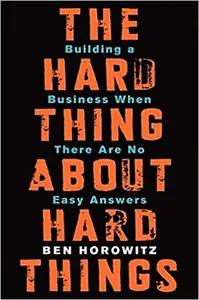
The Hard Thing About Hard Things
Ben Horowitz
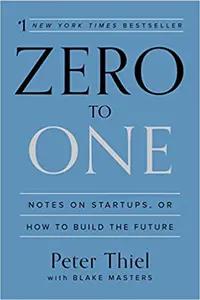
Zero to One
Peter Thiel

The Innovators Dilemma
Clayton Christensen
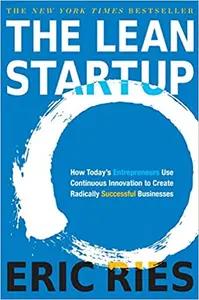
The Lean Startup
Eric Reis
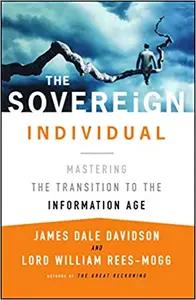
The Sovereign Individual
James Dale Davidson & William Rees-Mogg
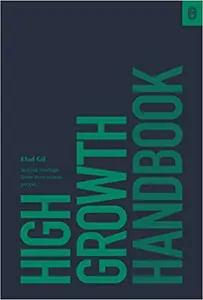
High Growth Handbook
Elad Gil

Blitzscaling
Reid Hoffman

American Kingpin
Nick Bilton
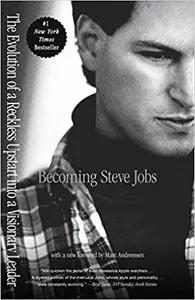
Becoming Steve Jobs
Brent Schlender

Behind the Cloud
Marc Benioff
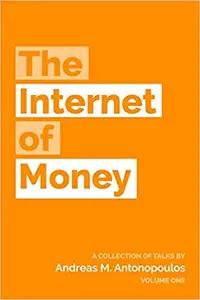
The Internet of Money Volume 1
Andreas Antonopolous
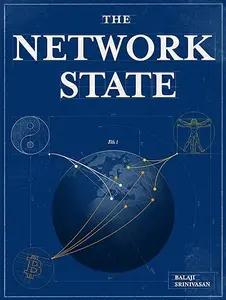
The Network State
Balaji Srinivasan
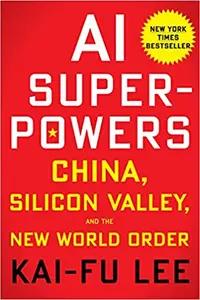
AI Superpowers
Kai-Fu Lee
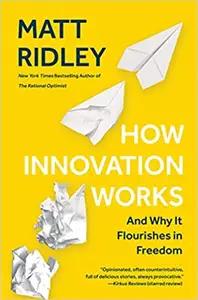
How Innovation Works
Matt Ridley
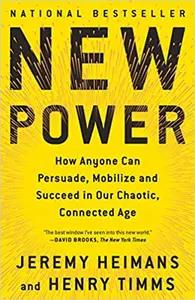
New Power
Jeremy Heimans

Read Write Own
Chris Dixon

Super Pumped
Mike Isaac

The Airbnb Story
Leigh Gallagher

The Dream Machine
M. Mitchell Waldrop
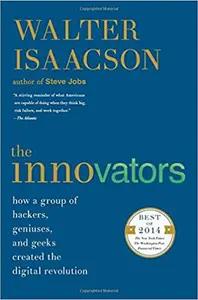
The Innovators
Walter Isaacson

The Little Bitcoin Book
Bitcoin Collective
The Second Machine Age
Erik Brynjolfsson
The Seventh Sense
Joshua Ramo

Virtual Society
Herman Narula

Whole Earth Discipline
Stewart Brand
Competing in the Age of AI
Marco Iansiti

Dealers of Lightning
Michael A. Hiltzik

Digital Gold
Nathaniel Popper
Don't Make Me Think
Steve Krug

Empires of Light
Jill Jonnes
Popular Books Recommended by Great Minds 📚
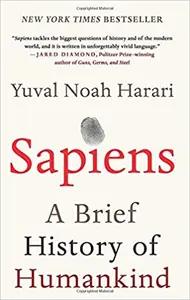
Sapiens
Yuval Noah Harari
The Hard Thing About Hard Things
Ben Horowitz
Zero to One
Peter Thiel
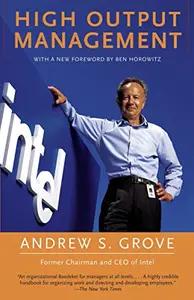
High Output Management
Andrew Grove

Principles
Ray Dalio

Shoe Dog
Phil Knight

Snow Crash
Neal Stephenson

Meditations
Marcus Aurelius
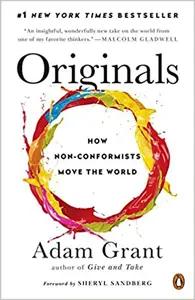
Originals
Adam Grant

Poor Charlie's Almanack
Charlie Munger
The Innovators Dilemma
Clayton Christensen
The Lean Startup
Eric Reis
The Sovereign Individual
James Dale Davidson & William Rees-Mogg
High Growth Handbook
Elad Gil
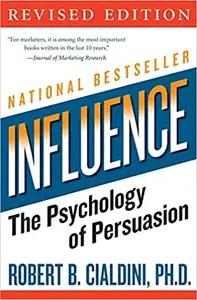
Influence
Robert Cialdini
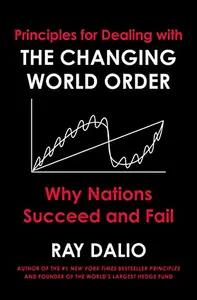
Principles for Dealing With The Changing World Order
Ray Dalio

Rework
Jason Fried

Surely You're Joking Mr. Feynman
Richard Feynman

The Ride of a Lifetime
Bob Iger

The Three Body Problem
Cixin Liu
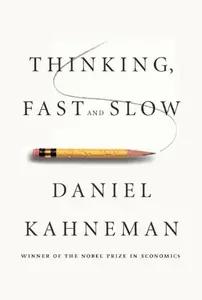
Thinking, Fast and Slow
Daniel Kahneman

7 Powers
Hamilton Helmer

Antifragile
Nassim Nicholas Taleb
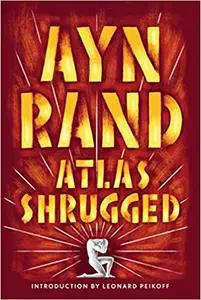
Atlas Shrugged
Ayn Rand
Blitzscaling
Reid Hoffman

Dune
Frank Herbert

Foundation
Isaac Asimov
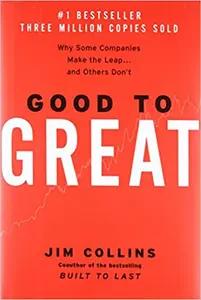
Good To Great
Jim Collins

Hopping Over The Rabbit Hole
Anthony Scaramucci
Man's Search for Meaning
Viktor Frankl