
Recommended byCharles Koch
About This Book
"As I Lay Dying" by William Faulkner is a captivating and introspective novel that delves into the lives of the Bundren family as they embark on a perilous journey to bury their matriarch, Addie, in her hometown of Jefferson, Mississippi.
Narrated by fifteen different characters, each with their own unique perspective, Faulkner unveils a haunting tale of family dysfunction, secrecy, and the lengths individuals will go to fulfill their personal desires.
The story unfolds with the death of Addie and the family's immediate need to transport her body through harsh and unforgiving terrains to reach their destination. With each character bearing their own emotional burdens, the journey becomes a catalyst for self-discovery and a mirror reflecting their vulnerabilities and flaws.
Faulkner's masterful use of stream-of-consciousness narrative and polyphonic structure pulls readers into the minds of the Bundren family, allowing each character to share their own version of events, their innermost thoughts, and their hidden fears. This technique showcases the intricacies of human nature and the complex layers of their relationships.
Through vivid and often contradicting narratives, the novel explores themes of death, isolation, guilt, obsession, and the meaning of existence. As each member of the Bundren family confronts their individual demons and personal motivations, their inherent flaws and misplaced priorities are laid bare for both the characters and readers to confront.
Despite the dark themes and challenging narrative style, Faulkner's "As I Lay Dying" is a rich and thought-provoking work that captures the essence of Southern Gothic literature. It is an exploration of the human condition, the complexities of family dynamics, and the eternal struggle between hope and despair.
With its poetic prose and profound examination of the human psyche, "As I Lay Dying" remains a timeless classic that continues to resonate with readers seeking a deeper understanding of the human experience.
Narrated by fifteen different characters, each with their own unique perspective, Faulkner unveils a haunting tale of family dysfunction, secrecy, and the lengths individuals will go to fulfill their personal desires.
The story unfolds with the death of Addie and the family's immediate need to transport her body through harsh and unforgiving terrains to reach their destination. With each character bearing their own emotional burdens, the journey becomes a catalyst for self-discovery and a mirror reflecting their vulnerabilities and flaws.
Faulkner's masterful use of stream-of-consciousness narrative and polyphonic structure pulls readers into the minds of the Bundren family, allowing each character to share their own version of events, their innermost thoughts, and their hidden fears. This technique showcases the intricacies of human nature and the complex layers of their relationships.
Through vivid and often contradicting narratives, the novel explores themes of death, isolation, guilt, obsession, and the meaning of existence. As each member of the Bundren family confronts their individual demons and personal motivations, their inherent flaws and misplaced priorities are laid bare for both the characters and readers to confront.
Despite the dark themes and challenging narrative style, Faulkner's "As I Lay Dying" is a rich and thought-provoking work that captures the essence of Southern Gothic literature. It is an exploration of the human condition, the complexities of family dynamics, and the eternal struggle between hope and despair.
With its poetic prose and profound examination of the human psyche, "As I Lay Dying" remains a timeless classic that continues to resonate with readers seeking a deeper understanding of the human experience.
What People Are Saying
More Praise
Charles Koch recommended this book on his website.
Revisit Your Highlights, Deepen Your Understanding
Import your Kindle highlights to review, organize, and share the ideas that matter most to you.
Get the free browser extension
Share This Book
More Books in Fiction
View More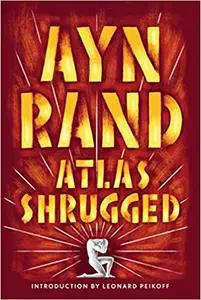
Atlas Shrugged
Ayn Rand
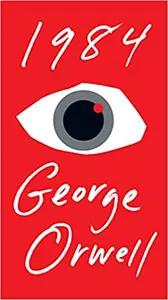
1984
George Orwell

Siddhartha
Hermann Hesse

The Fountainhead
Ayn Rand

One Hundred Years of Solitude
Gabriel Garcia Marquez
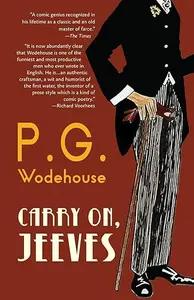
Carry on, Jeeves
P.G. Wodehouse

High Fidelity
Nick Hornby
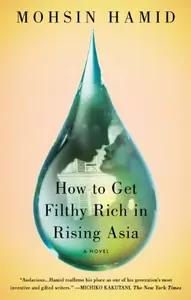
How to Get Filthy Rich in Rising Asia
Mohsin Hamid
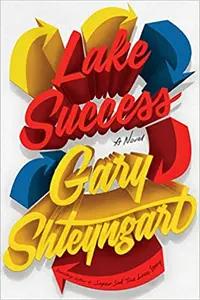
Lake Success
Gary Shteyngart

Permutation City
Greg Egan
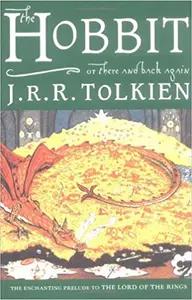
The Hobbit
J.R.R. Tolkien

The Master and Margarita
Mikhail Bulgakov
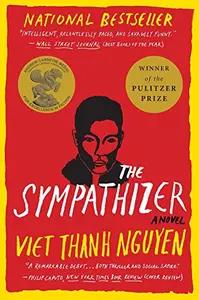
The Sympathizer
Viet Thanh Nguyen
Where The Wild Things Are
Maurice Sendak
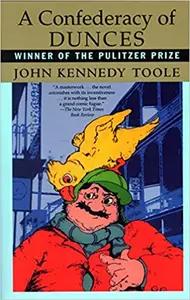
A Confederacy of Dunces
John Kennedy Toole

A Gentleman in Moscow
Amor Towles

A Soldier of the Great War
Mark Helprin
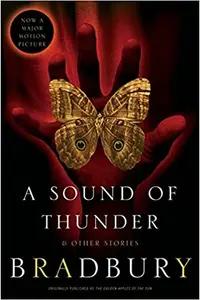
A Sound of Thunder and Other Stories
Ray Bradbury
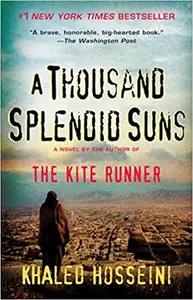
A Thousand Splendid Suns
Khaled Hosseini

Acts of Love
Talulah Riley

Adultery
Paulo Coelho
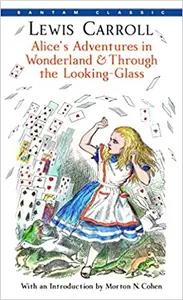
Alice's Adventures in Wonderland
Lewis Carroll
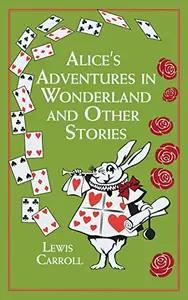
Alice in Wonderland
Lewis Carroll
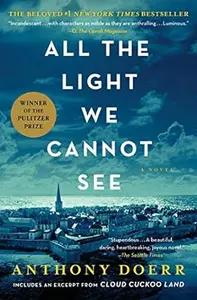
All The Light We Cannot See
Anthony Doerr

An American Marriage
Tayari Jones
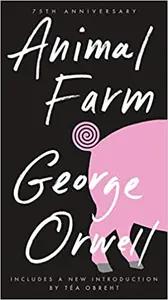
Animal Farm
George Orwell

Ask The Dust
John Fante
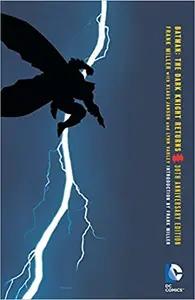
Batman
Frank Miller

Behind the Beautiful Forevers
Katherine Boo
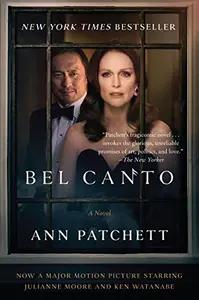
Bel Canto
Ann Patchett
Popular Books Recommended by Great Minds 📚
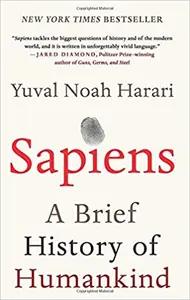
Sapiens
Yuval Noah Harari
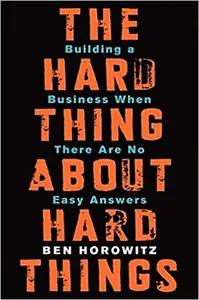
The Hard Thing About Hard Things
Ben Horowitz
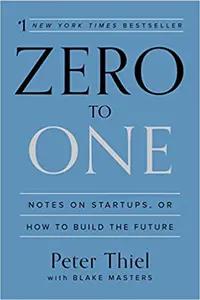
Zero to One
Peter Thiel
High Output Management
Andrew Grove
Principles
Ray Dalio

Shoe Dog
Phil Knight
Snow Crash
Neal Stephenson
Meditations
Marcus Aurelius
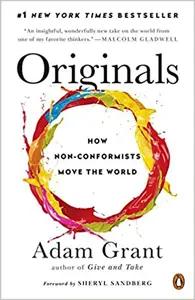
Originals
Adam Grant

Poor Charlie's Almanack
Charlie Munger

The Innovators Dilemma
Clayton Christensen

The Lean Startup
Eric Reis
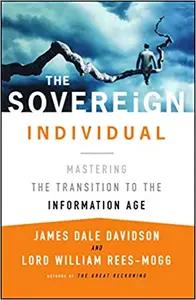
The Sovereign Individual
James Dale Davidson & William Rees-Mogg

High Growth Handbook
Elad Gil
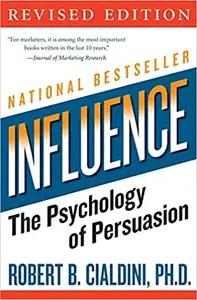
Influence
Robert Cialdini
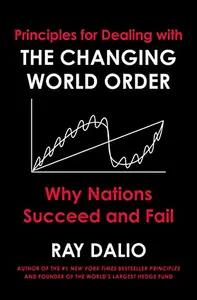
Principles for Dealing With The Changing World Order
Ray Dalio
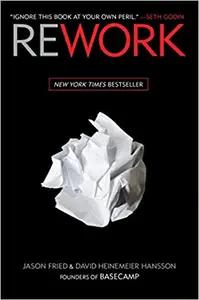
Rework
Jason Fried
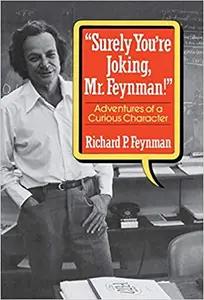
Surely You're Joking Mr. Feynman
Richard Feynman
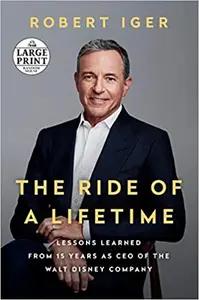
The Ride of a Lifetime
Bob Iger
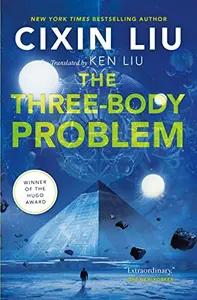
The Three Body Problem
Cixin Liu
Thinking, Fast and Slow
Daniel Kahneman

7 Powers
Hamilton Helmer
Antifragile
Nassim Nicholas Taleb
Atlas Shrugged
Ayn Rand
Blitzscaling
Reid Hoffman
Dune
Frank Herbert

Foundation
Isaac Asimov
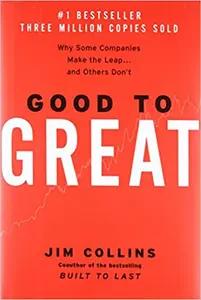
Good To Great
Jim Collins
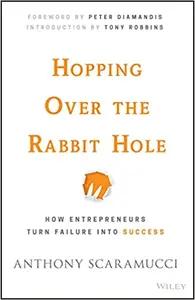
Hopping Over The Rabbit Hole
Anthony Scaramucci
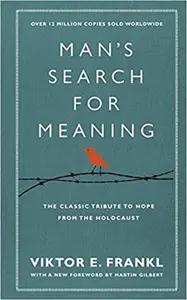
Man's Search for Meaning
Viktor Frankl