Recommended byBalaji Srinivasan
About This Book
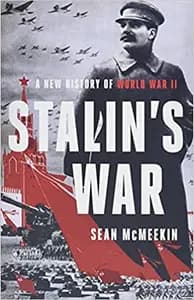
In "Stalin's War" by Sean McMeekin, the author delves into the often overlooked history of Joseph Stalin's role in World War II. McMeekin argues that Stalin played a crucial role in starting the conflict and expanding Soviet power throughout Europe.
The book begins by examining Stalin's early years in power, his consolidation of control within the Soviet Union, and his aggressive policies towards neighboring countries. McMeekin highlights the dramatic and brutal purges that Stalin orchestrated within his own party, which decimated the Soviet military leadership and left it ill-prepared for war.
Moving forward, the author explores Stalin's motivations for signing the Molotov-Ribbentrop Pact with Nazi Germany, which resulted in the division of Eastern Europe between the two totalitarian regimes. McMeekin argues that Stalin knowingly sacrificed the independence of these countries in order to gain time to build up his own military forces.
As the war progresses, McMeekin details Stalin's skillful manipulation of the Allies and his strategic decision to join the war against Hitler only after it became clear that the Nazis were losing. The author also reveals Stalin's relentless pursuit of territorial gains, such as the annexation of the Baltic states and the establishment of pro-Soviet regimes in Eastern Europe.
Throughout the book, McMeekin challenges the prevailing narrative that portrays Stalin as a heroic figure and instead presents him as a ruthless dictator who exploited the chaos of war for personal and ideological gain. Drawing on extensive research and archival sources, the author provides a fresh perspective on the often misunderstood role of Stalin in World War II.
"Stalin's War" offers a comprehensive and thought-provoking analysis of Stalin's actions during the war, shedding light on his motives, strategies, and impact on the broader conflict. Through meticulous research, Sean McMeekin presents a compelling case for the significance of Stalin's role in shaping the course of World War II and its aftermath.
The book begins by examining Stalin's early years in power, his consolidation of control within the Soviet Union, and his aggressive policies towards neighboring countries. McMeekin highlights the dramatic and brutal purges that Stalin orchestrated within his own party, which decimated the Soviet military leadership and left it ill-prepared for war.
Moving forward, the author explores Stalin's motivations for signing the Molotov-Ribbentrop Pact with Nazi Germany, which resulted in the division of Eastern Europe between the two totalitarian regimes. McMeekin argues that Stalin knowingly sacrificed the independence of these countries in order to gain time to build up his own military forces.
As the war progresses, McMeekin details Stalin's skillful manipulation of the Allies and his strategic decision to join the war against Hitler only after it became clear that the Nazis were losing. The author also reveals Stalin's relentless pursuit of territorial gains, such as the annexation of the Baltic states and the establishment of pro-Soviet regimes in Eastern Europe.
Throughout the book, McMeekin challenges the prevailing narrative that portrays Stalin as a heroic figure and instead presents him as a ruthless dictator who exploited the chaos of war for personal and ideological gain. Drawing on extensive research and archival sources, the author provides a fresh perspective on the often misunderstood role of Stalin in World War II.
"Stalin's War" offers a comprehensive and thought-provoking analysis of Stalin's actions during the war, shedding light on his motives, strategies, and impact on the broader conflict. Through meticulous research, Sean McMeekin presents a compelling case for the significance of Stalin's role in shaping the course of World War II and its aftermath.
What People Are Saying
“Sean McMeekin's latest tour-de-force makes a strong case that Stalin should be thought of as the main actor in WW2 — not Hitler or the US.”
Revisit Your Highlights, Deepen Your Understanding
Import your Kindle highlights to review, organize, and share the ideas that matter most to you.
Get the free browser extension
Share This Book
More Books in War
View More
The Art of War
Sun-Tzu
Lone Survivor
Marcus Luttrell
The Art of War in the Middle Ages
Charles Oman
The Book of Five Rings
Miyamoto Musashi
A Peace to End All Peace
David Fromkin
A Spy Among Friends
Ben MacIntyre
Black Flags
Joby Warrick
Chasing the Light
Oliver Stone
Flying Start
Hugh Dundas
Hornblower Saga
C.S. Forester
No Easy Day
Mark Owen
No Ordinary Time
Doris Kearns Goodwin
Once a Warrior
Jake Wood
Presidents of War
Michael Beschloss
Sea Flight
Hugh Popham
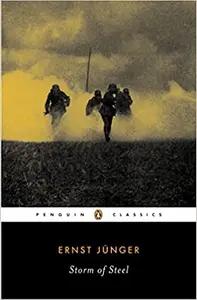
Storm of Steel
Ernst Junger
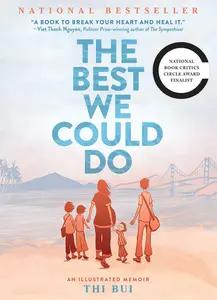
The Best We Could Do
Thi Bui
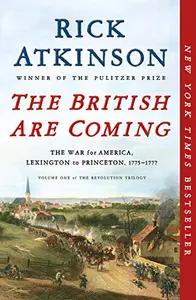
The British Are Coming
Rick Atkinson
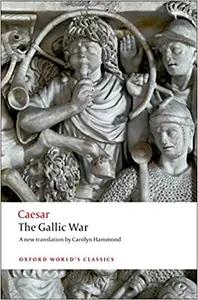
The Gallic Wars
Julius Caesar

The Great Illusion
Norman Angell
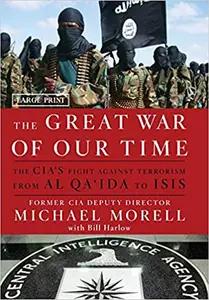
The Great War of Our Time
Michael Morell
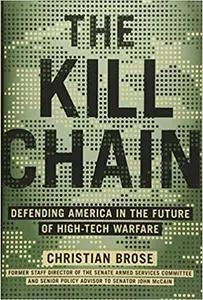
The Kill Chain
Christian Brose
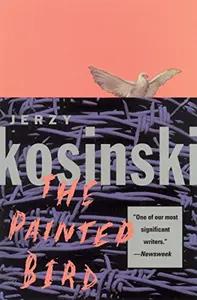
The Painted Bird
Jerzy Kosinski
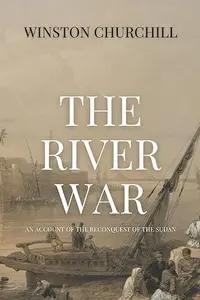
The River War
Winston Churchill
The Second World War
John Keegan
The Sleepwalkers
Christopher Clark
The Storm of Steel
Ernst Junger
The Things They Carried
Tim O'Brien

The Warrior Ethos
Steven Pressfield
War
Sebastian Junger
Popular Books Recommended by Great Minds 📚
Sapiens
Yuval Noah Harari
The Hard Thing About Hard Things
Ben Horowitz
Zero to One
Peter Thiel
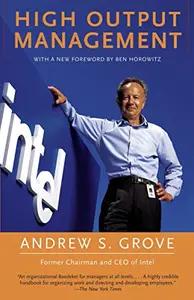
High Output Management
Andrew Grove
Principles
Ray Dalio
Shoe Dog
Phil Knight
Snow Crash
Neal Stephenson
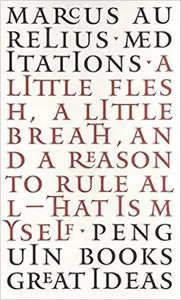
Meditations
Marcus Aurelius
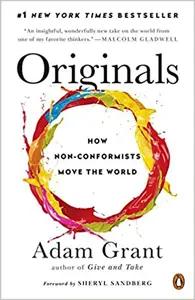
Originals
Adam Grant
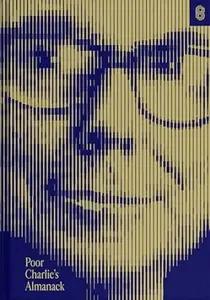
Poor Charlie's Almanack
Charlie Munger
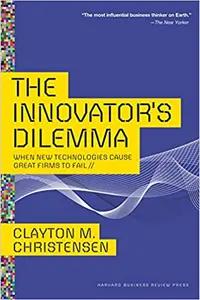
The Innovators Dilemma
Clayton Christensen
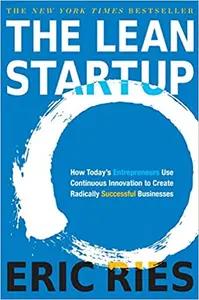
The Lean Startup
Eric Reis
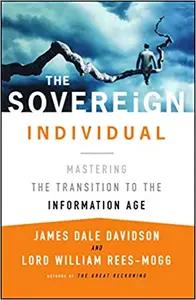
The Sovereign Individual
James Dale Davidson & William Rees-Mogg
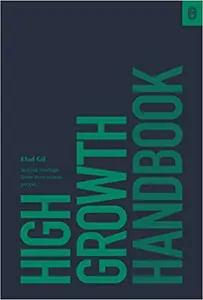
High Growth Handbook
Elad Gil
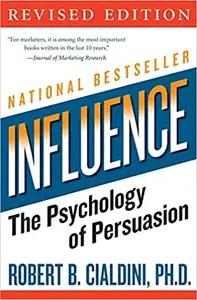
Influence
Robert Cialdini
Principles for Dealing With The Changing World Order
Ray Dalio
Rework
Jason Fried
Surely You're Joking Mr. Feynman
Richard Feynman
The Ride of a Lifetime
Bob Iger
The Three Body Problem
Cixin Liu
Thinking, Fast and Slow
Daniel Kahneman
7 Powers
Hamilton Helmer
Antifragile
Nassim Nicholas Taleb
Atlas Shrugged
Ayn Rand
Blitzscaling
Reid Hoffman
Dune
Frank Herbert
Foundation
Isaac Asimov
Good To Great
Jim Collins
Hopping Over The Rabbit Hole
Anthony Scaramucci
Man's Search for Meaning
Viktor Frankl