Recommended bySahil Lavingia
About This Book
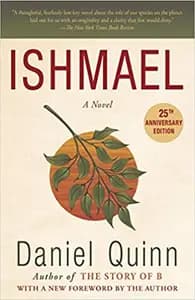
"Ishmael" by Daniel Quinn is a compelling and thought-provoking novel that explores the intertwined worlds of philosophy, anthropology, and environmentalism. The story follows the narrator, an unnamed protagonist, who responds to an ad reading: "Teacher seeks pupil. Must have an earnest desire to save the world."
Intrigued, the narrator meets Ishmael, a highly intelligent and telepathic gorilla. Ishmael assumes the role of a philosophical teacher, guiding the narrator through a series of captivating dialogues. Through these dialogues, Ishmael challenges the widely accepted notion that humanity is the pinnacle of evolution and that our civilization is sustainable.
Uncovering humanity's historical mistakes, Ishmael introduces the concept of "Takers" versus "Leavers." Takers, represented by modern humans, are a culture driven by the idea that the Earth belongs to them, and they have the right to exploit it. In contrast, Leavers, representing indigenous cultures, are characterized by their understanding that they belong to the Earth and live in harmony with it.
Delving deeper, Ishmael reveals that Taker culture is unsustainable, leading to societal collapse and environmental degradation. The novel explores various topics, including agriculture, religion, and the failures of our educational system, all of which contribute to the demise of Taker civilization.
As the lessons unfold, the narrator realizes the urgency of changing our perspective. Ishmael argues that our salvation lies in shifting from the destructive Taker mindset to embracing a Leaver perspective. Through learning from the wisdom of the past, we can forge a sustainable path forward.
"Ishmael" challenges readers to reevaluate their understanding of the world and to question the assumptions that have led us to our current predicament. Quinn's narrative beautifully balances philosophy and storytelling, compelling readers to consider powerful and transformative ideas.
This highly acclaimed novel resonates with those seeking a deeper understanding of our relationship with the natural world and offers a thought-provoking exploration of how we can change the course of our shared future.
Intrigued, the narrator meets Ishmael, a highly intelligent and telepathic gorilla. Ishmael assumes the role of a philosophical teacher, guiding the narrator through a series of captivating dialogues. Through these dialogues, Ishmael challenges the widely accepted notion that humanity is the pinnacle of evolution and that our civilization is sustainable.
Uncovering humanity's historical mistakes, Ishmael introduces the concept of "Takers" versus "Leavers." Takers, represented by modern humans, are a culture driven by the idea that the Earth belongs to them, and they have the right to exploit it. In contrast, Leavers, representing indigenous cultures, are characterized by their understanding that they belong to the Earth and live in harmony with it.
Delving deeper, Ishmael reveals that Taker culture is unsustainable, leading to societal collapse and environmental degradation. The novel explores various topics, including agriculture, religion, and the failures of our educational system, all of which contribute to the demise of Taker civilization.
As the lessons unfold, the narrator realizes the urgency of changing our perspective. Ishmael argues that our salvation lies in shifting from the destructive Taker mindset to embracing a Leaver perspective. Through learning from the wisdom of the past, we can forge a sustainable path forward.
"Ishmael" challenges readers to reevaluate their understanding of the world and to question the assumptions that have led us to our current predicament. Quinn's narrative beautifully balances philosophy and storytelling, compelling readers to consider powerful and transformative ideas.
This highly acclaimed novel resonates with those seeking a deeper understanding of our relationship with the natural world and offers a thought-provoking exploration of how we can change the course of our shared future.
What People Are Saying
More Praise
One of Sahil Lavingia's most recommended books.
Revisit Your Highlights, Deepen Your Understanding
Import your Kindle highlights to review, organize, and share the ideas that matter most to you.
Get the free browser extension
Share This Book
More Books in Fiction
View More
Atlas Shrugged
Ayn Rand
1984
George Orwell
Siddhartha
Hermann Hesse
The Fountainhead
Ayn Rand

One Hundred Years of Solitude
Gabriel Garcia Marquez
Carry on, Jeeves
P.G. Wodehouse
High Fidelity
Nick Hornby
How to Get Filthy Rich in Rising Asia
Mohsin Hamid
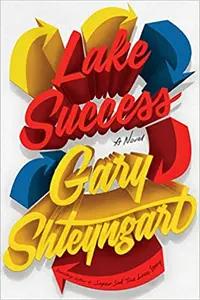
Lake Success
Gary Shteyngart

Permutation City
Greg Egan
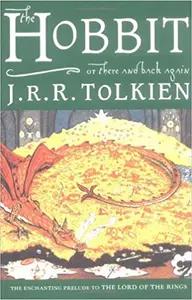
The Hobbit
J.R.R. Tolkien

The Master and Margarita
Mikhail Bulgakov
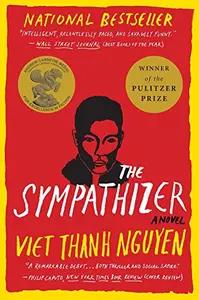
The Sympathizer
Viet Thanh Nguyen
Where The Wild Things Are
Maurice Sendak
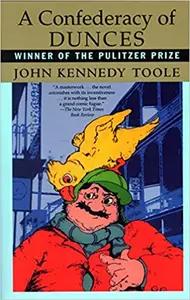
A Confederacy of Dunces
John Kennedy Toole

A Gentleman in Moscow
Amor Towles

A Soldier of the Great War
Mark Helprin
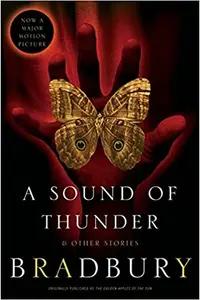
A Sound of Thunder and Other Stories
Ray Bradbury
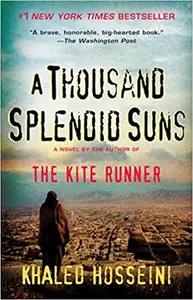
A Thousand Splendid Suns
Khaled Hosseini

Acts of Love
Talulah Riley
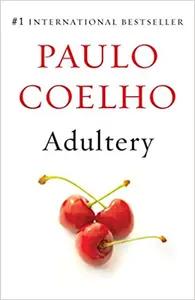
Adultery
Paulo Coelho
Alice's Adventures in Wonderland
Lewis Carroll
Alice in Wonderland
Lewis Carroll
All The Light We Cannot See
Anthony Doerr
An American Marriage
Tayari Jones
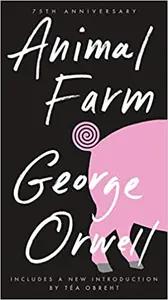
Animal Farm
George Orwell
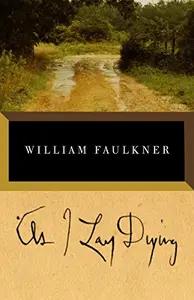
As I Lay Dying
William Faulkner
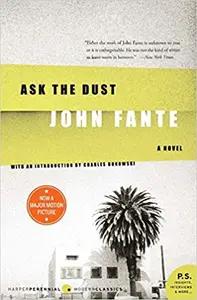
Ask The Dust
John Fante
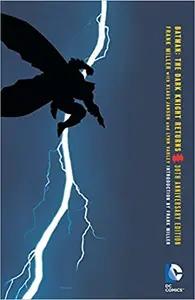
Batman
Frank Miller
Behind the Beautiful Forevers
Katherine Boo
Popular Books Recommended by Great Minds 📚
Sapiens
Yuval Noah Harari
The Hard Thing About Hard Things
Ben Horowitz
Zero to One
Peter Thiel
High Output Management
Andrew Grove
Principles
Ray Dalio
Shoe Dog
Phil Knight
Snow Crash
Neal Stephenson
Meditations
Marcus Aurelius
Originals
Adam Grant

Poor Charlie's Almanack
Charlie Munger
The Innovators Dilemma
Clayton Christensen
The Lean Startup
Eric Reis
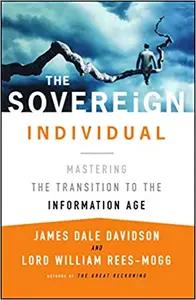
The Sovereign Individual
James Dale Davidson & William Rees-Mogg
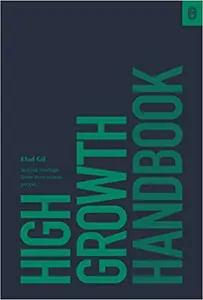
High Growth Handbook
Elad Gil
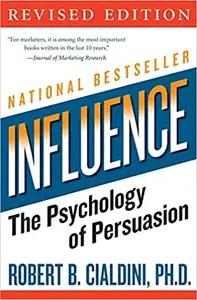
Influence
Robert Cialdini
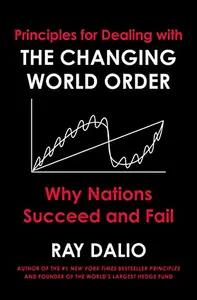
Principles for Dealing With The Changing World Order
Ray Dalio
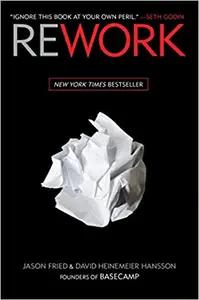
Rework
Jason Fried
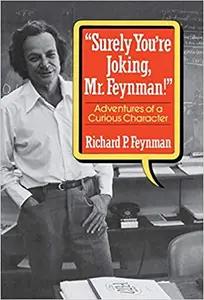
Surely You're Joking Mr. Feynman
Richard Feynman
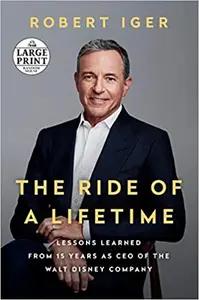
The Ride of a Lifetime
Bob Iger
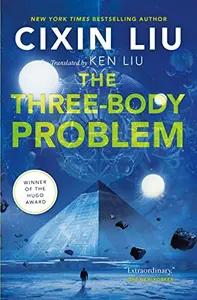
The Three Body Problem
Cixin Liu
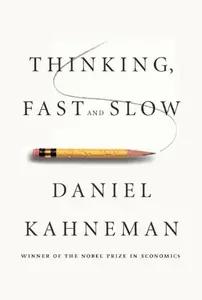
Thinking, Fast and Slow
Daniel Kahneman
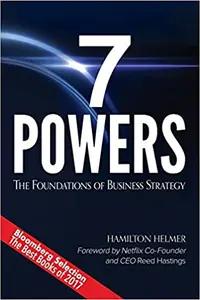
7 Powers
Hamilton Helmer
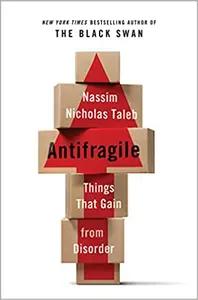
Antifragile
Nassim Nicholas Taleb
Atlas Shrugged
Ayn Rand
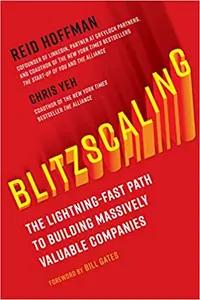
Blitzscaling
Reid Hoffman
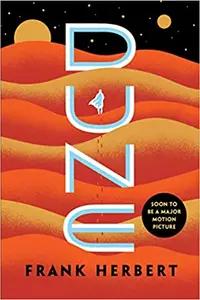
Dune
Frank Herbert
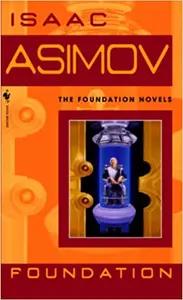
Foundation
Isaac Asimov
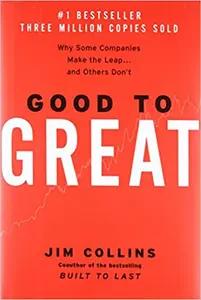
Good To Great
Jim Collins
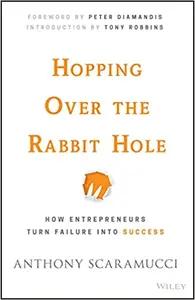
Hopping Over The Rabbit Hole
Anthony Scaramucci
Man's Search for Meaning
Viktor Frankl