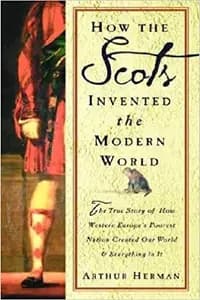
How The Scots Invented The Modern World: The True Story of How Western Europe's Poorest Nation Created Our World and Everything in It
by Arthur Herman
Recommended byCharlie Munger
About This Book
"How The Scots Invented The Modern World" by Arthur Herman is a compelling exploration of Scotland's significant contributions to shaping our modern civilization. Through meticulously researched accounts, Herman uncovers how the Scottish people have influenced the realms of science, philosophy, literature, politics, and more.
Beginning with the Enlightenment period, Herman highlights how Scottish thinkers such as David Hume and Adam Smith introduced groundbreaking ideas that fundamentally transformed fields like economics and moral philosophy. He showcases their impact on the development of modern capitalism and the concept of individual liberty.
Moving beyond abstract concepts, Herman delves into the practical innovations that originated from Scotland, from the invention of the steam engine by James Watt to the creation of modern medicine by figures like Sir James Young Simpson. He showcases how these advancements revolutionized industries, transportation, and healthcare, and how they continue to shape our world today.
Furthermore, Herman explores the contributions of Scottish figures like Andrew Carnegie and John Stuart Mill, who played pivotal roles in molding societal values and advocating for progressive reforms. Their ideas on education, social welfare, and democracy greatly influenced the modern Western world and continue to be relevant today.
Artfully weaving historical anecdotes with profound analysis, Herman portrays the Scots as pioneers of intellectual and practical progress. He demonstrates how their resilience, curiosity, and determination to improve society propelled them to the forefront of global innovation.
In "How The Scots Invented The Modern World," Arthur Herman offers readers a captivating journey through Scottish history, revealing a nation that not only contributed to civilization but also shaped our understanding of what it means to be modern. Ultimately, this book serves as a testament to the influential impact of a relatively small nation on the course of human history.
Beginning with the Enlightenment period, Herman highlights how Scottish thinkers such as David Hume and Adam Smith introduced groundbreaking ideas that fundamentally transformed fields like economics and moral philosophy. He showcases their impact on the development of modern capitalism and the concept of individual liberty.
Moving beyond abstract concepts, Herman delves into the practical innovations that originated from Scotland, from the invention of the steam engine by James Watt to the creation of modern medicine by figures like Sir James Young Simpson. He showcases how these advancements revolutionized industries, transportation, and healthcare, and how they continue to shape our world today.
Furthermore, Herman explores the contributions of Scottish figures like Andrew Carnegie and John Stuart Mill, who played pivotal roles in molding societal values and advocating for progressive reforms. Their ideas on education, social welfare, and democracy greatly influenced the modern Western world and continue to be relevant today.
Artfully weaving historical anecdotes with profound analysis, Herman portrays the Scots as pioneers of intellectual and practical progress. He demonstrates how their resilience, curiosity, and determination to improve society propelled them to the forefront of global innovation.
In "How The Scots Invented The Modern World," Arthur Herman offers readers a captivating journey through Scottish history, revealing a nation that not only contributed to civilization but also shaped our understanding of what it means to be modern. Ultimately, this book serves as a testament to the influential impact of a relatively small nation on the course of human history.
What People Are Saying
More Praise
Charlie Munger recommended 'How The Scots Invented The Modern World' in his book Poor Charlie's Almanack.
Revisit Your Highlights, Deepen Your Understanding
Import your Kindle highlights to review, organize, and share the ideas that matter most to you.
Get the free browser extension
Share This Book
More Books in History
View More
Sapiens
Yuval Noah Harari
The Lessons of History
Will & Ariel Durant

Destined For War
Graham Allison

Guns, Germs, and Steel
Jared Diamond
Homo Deus
Yuval Noah Harari
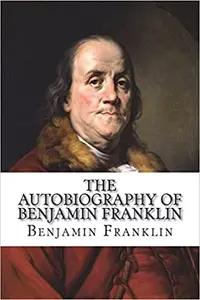
The Autobiography of Benjamin Franklin
Benjamin Franklin
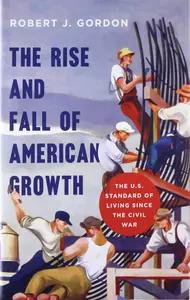
The Rise And Fall Of American Growth
Robert J. Gordon
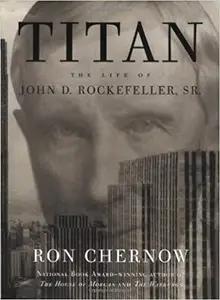
Titan
Ron Chernow
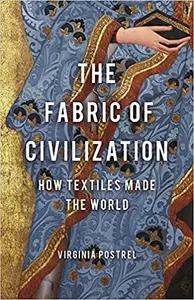
The Fabric of Civilization
Virginia Postrel
The Last Days of Night
Graham Moore

The Last Lion
Paul Reid

Dead Wake
Erik Larson
Empire of the Summer Moon
S.C. Gwynne

Faraday, Maxwell, and the Electromagnetic Field
Nancy Forbes

From Bacteria to Bach and Back
Daniel Dennett

Guns, Sails, and Empires
Carlo M. Cipolla
Medieval Technology and Social Change
Lynn White
The Ancient City
Peter Connolly

The Forgotten Man
Amity Shales
The Fourth Turning
William Strauss
The Great Crash of 1929
John Kenneth Galbraith

The Law
Frederic Bastiat

The Old Way
Elizabeth Marshall Thomas
The Origin of Species
Charles Darwin

The Red Queen
Matt Ridley
The Story of Civilization
Will & Ariel Durant

Tuxedo Park
Jennet Conant
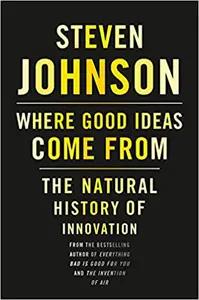
Where Good Ideas Come From
Steven Johnson
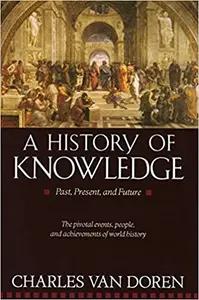
A History of Knowledge
Charles Van Doren
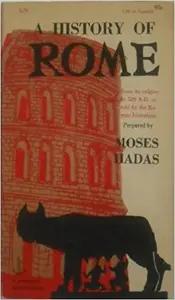
A History of Rome
Moses Hadas
Popular Books Recommended by Great Minds 📚
Sapiens
Yuval Noah Harari
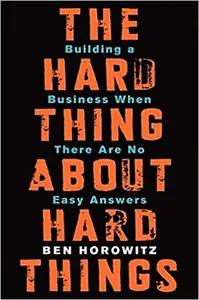
The Hard Thing About Hard Things
Ben Horowitz
Zero to One
Peter Thiel
High Output Management
Andrew Grove

Principles
Ray Dalio

Shoe Dog
Phil Knight

Snow Crash
Neal Stephenson
Meditations
Marcus Aurelius
Originals
Adam Grant

Poor Charlie's Almanack
Charlie Munger

The Innovators Dilemma
Clayton Christensen
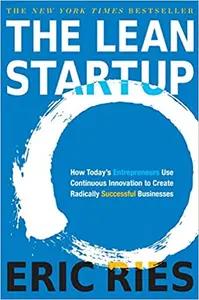
The Lean Startup
Eric Reis
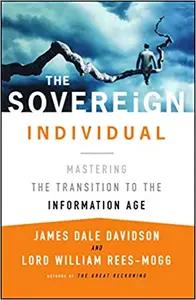
The Sovereign Individual
James Dale Davidson & William Rees-Mogg
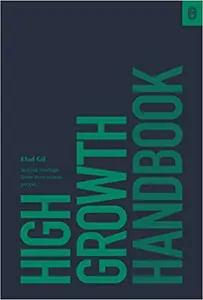
High Growth Handbook
Elad Gil
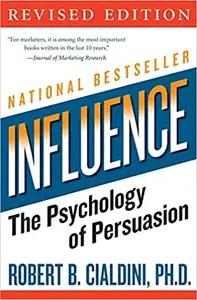
Influence
Robert Cialdini
Principles for Dealing With The Changing World Order
Ray Dalio
Rework
Jason Fried
Surely You're Joking Mr. Feynman
Richard Feynman

The Ride of a Lifetime
Bob Iger

The Three Body Problem
Cixin Liu
Thinking, Fast and Slow
Daniel Kahneman
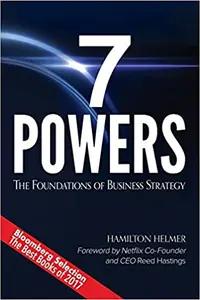
7 Powers
Hamilton Helmer

Antifragile
Nassim Nicholas Taleb
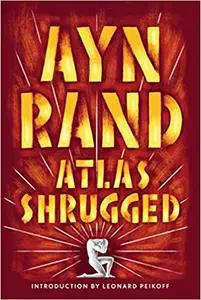
Atlas Shrugged
Ayn Rand

Blitzscaling
Reid Hoffman
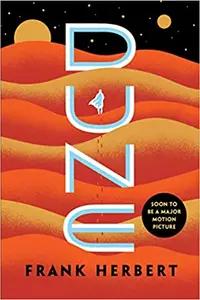
Dune
Frank Herbert
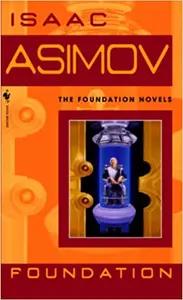
Foundation
Isaac Asimov
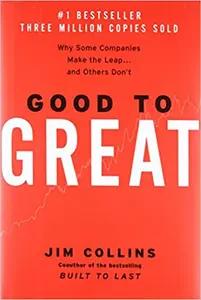
Good To Great
Jim Collins
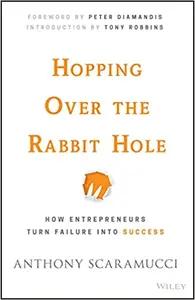
Hopping Over The Rabbit Hole
Anthony Scaramucci
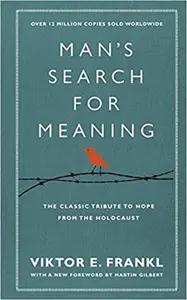
Man's Search for Meaning
Viktor Frankl