Can You Capture Perfect 3D Photos?
TL;DR
Yes, perfect 3D photos can be captured using techniques like binocular parallax, where two images are taken from slightly different angles to create depth perception. Holograms also provide true 3D viewing experiences by utilizing multiple images and light, allowing viewers to see depth as they move around the image.
Transcript
OK, I got this. That's really hard. [BEEP] OK, I got this. I don't got this. [BEEP] Try catching with one eye closed. It's hard. In fact, some athletes practice catching with one eye closed because it's so unfamiliar. OK, this time with both eyes. Piece of cake. Besides being accustomed to it, you have a kind of super vision when you use two eyes, ... Read More
Key Insights
- 😚 Some athletes practice with one eye closed to challenge their depth perception and improve their skills.
- 🖤 Stereoscopic vision is developed during early childhood, and some individuals lack this ability.
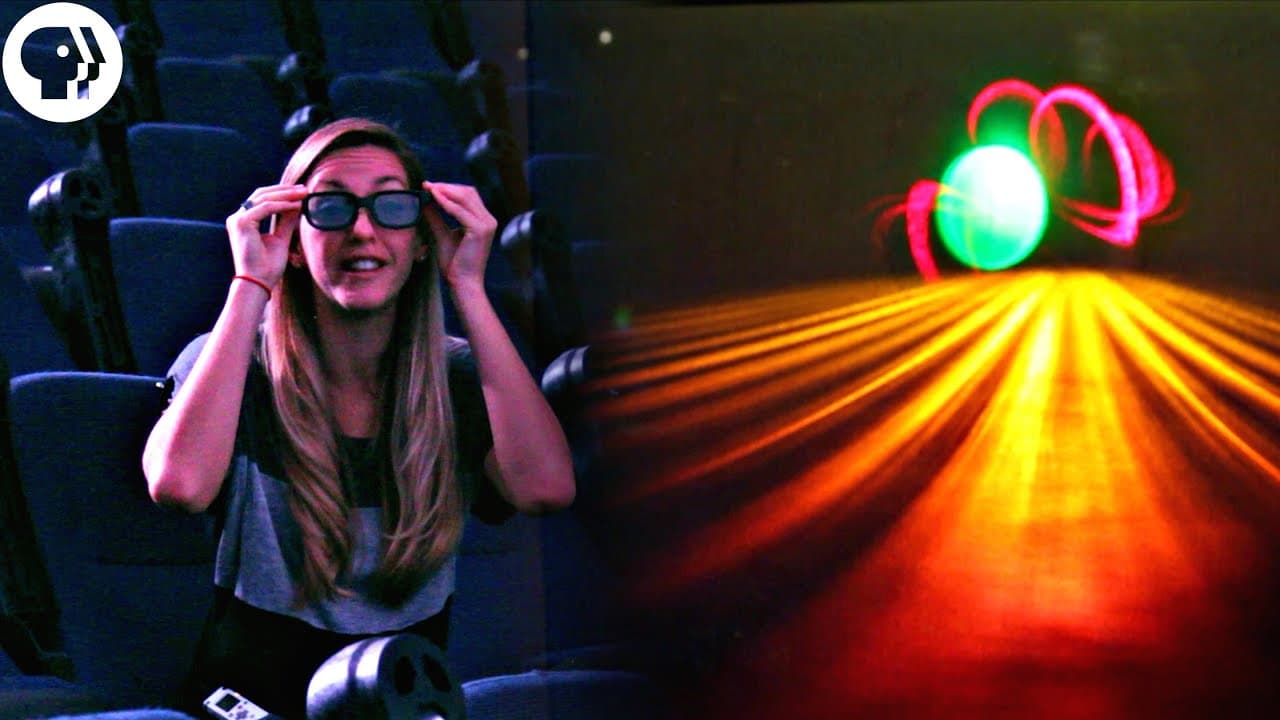
- 😃 3D movies create a 3D effect by using binocular parallax and projecting two different images to each eye.
- 😒 Glasses-less 3D TVs use alternating strips of images to provide binocular parallax, but the viewing angle is limited.
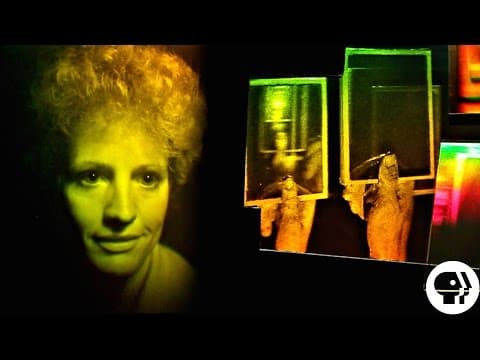
- 🎑 Holograms offer true 3D viewing experience with depth perception and parallax effects.
- 🎮 Holographic video technology is being developed, as demonstrated by the holographic video reenactments of Princess Leia by researchers from MIT.
- 🙂 Holograms are illuminated with one color of light, typically a laser, and lack true color representation.
Install to Summarize YouTube Videos and Get Transcripts
Explore YouTube Video Summarizer or Get YouTube Transcript Extractor
Questions & Answers
Q: Why do some athletes practice catching with one eye closed?
Some athletes practice catching with one eye closed because it challenges their depth perception and helps them improve their ability to track moving objects.
Q: Can everyone see in 3D with two eyes?
No, some people lack stereoscopic vision due to not developing it during early childhood or having conditions like lazy eye or being cross-eyed.
Q: How do 3D movies create the illusion of depth?
3D movies use binocular parallax by shooting with two cameras side by side, projecting both images on the screen, and using special glasses to send the correct image to each eye.
Q: What is the difference between holograms and 3D movies?
Holograms provide true 3D viewing experience because they have the parallax effect and depth perception, whereas 3D movies only use binocular parallax and lack motion parallax.
Summary & Key Takeaways
-
Some athletes practice catching with one eye closed because it is unfamiliar, but a combination of both eyes provides superior 3D vision.
-
Stereoscopic vision, which allows for depth perception, is developed during early childhood and some people lack this ability.
-
3D movies use binocular parallax to provide a 3D effect, while holograms offer a true 3D viewing experience.
Read in Other Languages (beta)
Share This Summary 📚
Summarize YouTube Videos and Get Video Transcripts with 1-Click
Try YouTube Summary with ChatGPT & Claude or YouTube Transcript Generator
Explore More Summaries from Physics Girl 📚




Summarize YouTube Videos and Get Video Transcripts with 1-Click
Try YouTube Summary with ChatGPT & Claude or YouTube Transcript Generator