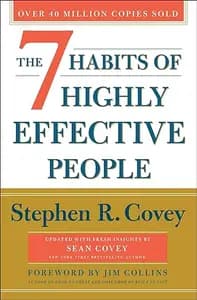
The 7 Habits of Highly Effective People: Restoring the Character Ethic
by Stephen Covey
Recommended byJoel Salatin
About This Book
"The 7 Habits of Highly Effective People" is a timeless self-help book written by Stephen Covey. It presents seven powerful habits that, when adopted and applied, can lead to personal and professional success.
Covey begins by emphasizing the importance of being proactive and taking responsibility for one's own life and choices. He suggests focusing on principles, rather than on quick fixes or techniques, as the foundation for long-term effectiveness.
The second habit Covey discusses is beginning with the end in mind. He encourages readers to develop a personal mission statement and align their actions and decisions with their values and long-term goals.
Habit three is putting first things first. Covey introduces the concept of time management quadrants and advises prioritizing activities based on importance and urgency. He highlights the significance of maintaining a balance between work and personal life.
Habit four focuses on thinking win-win. Covey encourages readers to seek mutually beneficial solutions in all aspects of life, fostering collaboration, and building strong relationships.
The fifth habit deals with the crucial aspect of communication: seeking first to understand, then to be understood. Covey emphasizes the importance of active listening and empathy in improving relationships and achieving effective communication.
Covey's sixth habit is synergizing, which involves leveraging differences and working together to create innovative and powerful outcomes. He presents the idea that the whole is greater than the sum of its parts.
The final habit Covey explores is continuous self-improvement or sharpening the saw. He emphasizes the importance of self-renewal through physical, mental, emotional, and spiritual growth, ultimately leading to improved effectiveness.
Through captivating stories, insightful examples, and practical advice, Covey's "The 7 Habits of Highly Effective People" offers a roadmap for personal and professional growth. It inspires readers to take control of their lives, build strong relationships, and achieve sustainable success by developing these seven powerful habits.
Covey begins by emphasizing the importance of being proactive and taking responsibility for one's own life and choices. He suggests focusing on principles, rather than on quick fixes or techniques, as the foundation for long-term effectiveness.
The second habit Covey discusses is beginning with the end in mind. He encourages readers to develop a personal mission statement and align their actions and decisions with their values and long-term goals.
Habit three is putting first things first. Covey introduces the concept of time management quadrants and advises prioritizing activities based on importance and urgency. He highlights the significance of maintaining a balance between work and personal life.
Habit four focuses on thinking win-win. Covey encourages readers to seek mutually beneficial solutions in all aspects of life, fostering collaboration, and building strong relationships.
The fifth habit deals with the crucial aspect of communication: seeking first to understand, then to be understood. Covey emphasizes the importance of active listening and empathy in improving relationships and achieving effective communication.
Covey's sixth habit is synergizing, which involves leveraging differences and working together to create innovative and powerful outcomes. He presents the idea that the whole is greater than the sum of its parts.
The final habit Covey explores is continuous self-improvement or sharpening the saw. He emphasizes the importance of self-renewal through physical, mental, emotional, and spiritual growth, ultimately leading to improved effectiveness.
Through captivating stories, insightful examples, and practical advice, Covey's "The 7 Habits of Highly Effective People" offers a roadmap for personal and professional growth. It inspires readers to take control of their lives, build strong relationships, and achieve sustainable success by developing these seven powerful habits.
What People Are Saying
“Next to the Bible, probably the most effective treatise for becoming all you can be.”
Revisit Your Highlights, Deepen Your Understanding
Import your Kindle highlights to review, organize, and share the ideas that matter most to you.
Get the free browser extension
Share This Book
More Books in Self Help
View More
Deep Work
Cal Newport
How To Win Friends and Influence People
Dale Carnegie
The Upside of Stress
Kelly McGonigal
Atomic Habits
James Clear

Awakening Joy
James Baraz
Awareness
Anthony De Mello
Maybe You Should Talk To Someone
Lori Gottlieb
The One Thing
Gary Keller

The Untethered Soul
Michael A. Singer
Think Like a Monk
Jay Shetty
Think and Grow Rich
Napoleon Hill

Triumphs of Experience
George Vaillant
A Curious Mind
Brian Grazer
A Mind at Home with Itself
Byron Katie
A Second Chance
Catherine Hoke

Absolute Tao
Osho
Against Empathy
Paul Bloom
As A Man Thinketh
James Allen
Be the Person You Want to Find
Cheri Huber
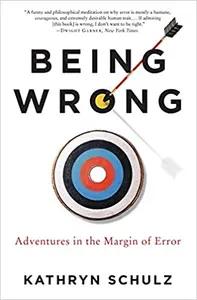
Being Wrong
Kathryn Schulz
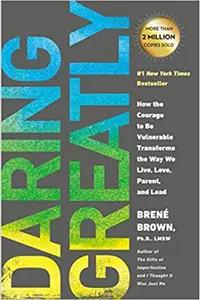
Daring Greatly
Brene Brown
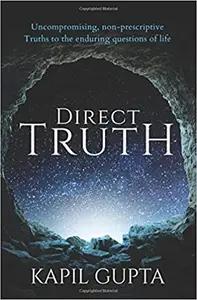
Direct Truth
Kapil Gupta

Dream Yoga
Andrew Holecek
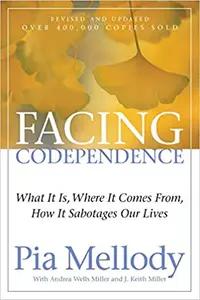
Facing Codependence
Pia Mellody
Facing Love Addiction
Pia Mellody
Freedom from the Known
Jiddu Krishnamurti
Happiness
Frederic Lenoir
Happy Money
Elizabeth Dunn

Hell Yeah or No
Derek Sivers
How to Stop Worrying and Start Living
Dale Carnegie
Popular Books Recommended by Great Minds 📚
Sapiens
Yuval Noah Harari
The Hard Thing About Hard Things
Ben Horowitz
Zero to One
Peter Thiel
High Output Management
Andrew Grove
Principles
Ray Dalio
Shoe Dog
Phil Knight
Snow Crash
Neal Stephenson
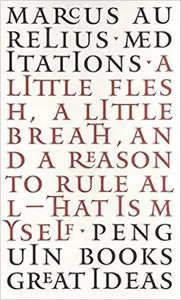
Meditations
Marcus Aurelius
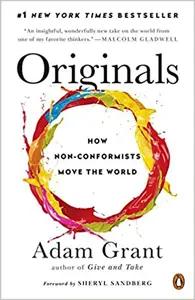
Originals
Adam Grant

Poor Charlie's Almanack
Charlie Munger
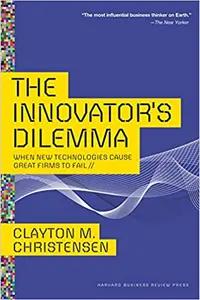
The Innovators Dilemma
Clayton Christensen
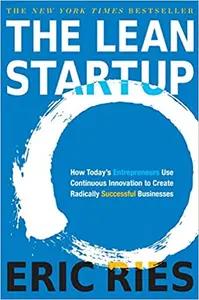
The Lean Startup
Eric Reis
The Sovereign Individual
James Dale Davidson & William Rees-Mogg
High Growth Handbook
Elad Gil
Influence
Robert Cialdini
Principles for Dealing With The Changing World Order
Ray Dalio
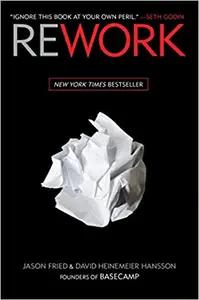
Rework
Jason Fried
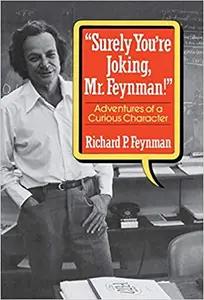
Surely You're Joking Mr. Feynman
Richard Feynman
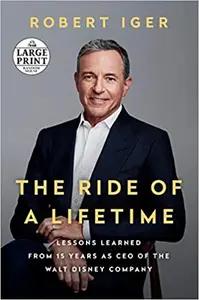
The Ride of a Lifetime
Bob Iger
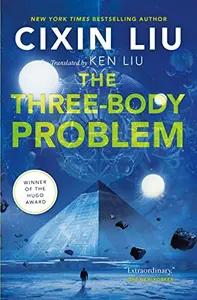
The Three Body Problem
Cixin Liu
Thinking, Fast and Slow
Daniel Kahneman
7 Powers
Hamilton Helmer
Antifragile
Nassim Nicholas Taleb
Atlas Shrugged
Ayn Rand
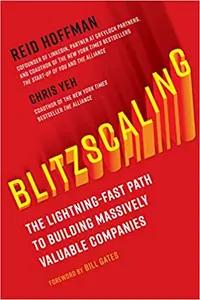
Blitzscaling
Reid Hoffman
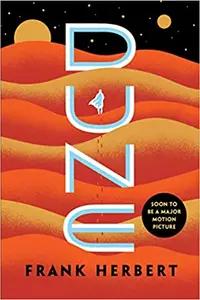
Dune
Frank Herbert

Foundation
Isaac Asimov
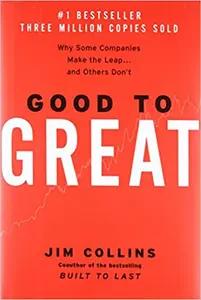
Good To Great
Jim Collins
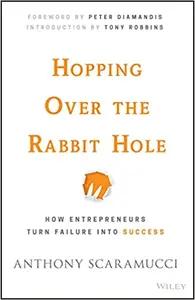
Hopping Over The Rabbit Hole
Anthony Scaramucci
Man's Search for Meaning
Viktor Frankl