Recommended byPatrick Collison
About This Book
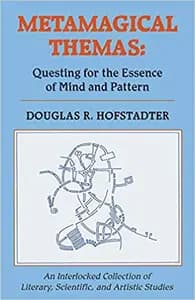
"Metamagical Themas" by Douglas Hofstadter explores a wide range of fascinating topics in mathematics, technology, philosophy, and more. This collection of essays offers thought-provoking insights into the nature of consciousness, creativity, and artificial intelligence.
Hofstadter challenges readers to think deeply about self-referential systems and the concept of thinking in loops. He delves into the world of puzzles, exploring their mathematical underpinnings and their capacity to captivate our minds.
The author also examines the limitations of formal systems and the potential of computer algorithms to emulate human creativity. Through the use of analogies, metaphors, and wordplay, Hofstadter invites us to ponder the boundaries between thought and language.
In addition, "Metamagical Themas" delves into the fascinating subject of recursion, examining its role in mathematics, art, and music. Hofstadter explores the concept of strange loops, where self-reference leads to unexpected and often paradoxical outcomes.
Furthermore, the book explores the profound impact of technology on society, raising questions about the ethical implications of artificial intelligence and the dangers of over-reliance on machines.
With its engaging style and interdisciplinary approach, "Metamagical Themas" offers readers an intellectual journey that challenges established notions and pushes the boundaries of human knowledge.
In each essay, Hofstadter's renowned blend of wit, intellect, and accessible language guides readers through complex ideas, encouraging them to explore new perspectives and expand their understanding of the world.
This compelling collection of essays serves as a testament to Hofstadter's brilliance as both a thinker and writer, making "Metamagical Themas" a must-read for anyone interested in the inner workings of the mind and the intersections of science, philosophy, and culture.
Hofstadter challenges readers to think deeply about self-referential systems and the concept of thinking in loops. He delves into the world of puzzles, exploring their mathematical underpinnings and their capacity to captivate our minds.
The author also examines the limitations of formal systems and the potential of computer algorithms to emulate human creativity. Through the use of analogies, metaphors, and wordplay, Hofstadter invites us to ponder the boundaries between thought and language.
In addition, "Metamagical Themas" delves into the fascinating subject of recursion, examining its role in mathematics, art, and music. Hofstadter explores the concept of strange loops, where self-reference leads to unexpected and often paradoxical outcomes.
Furthermore, the book explores the profound impact of technology on society, raising questions about the ethical implications of artificial intelligence and the dangers of over-reliance on machines.
With its engaging style and interdisciplinary approach, "Metamagical Themas" offers readers an intellectual journey that challenges established notions and pushes the boundaries of human knowledge.
In each essay, Hofstadter's renowned blend of wit, intellect, and accessible language guides readers through complex ideas, encouraging them to explore new perspectives and expand their understanding of the world.
This compelling collection of essays serves as a testament to Hofstadter's brilliance as both a thinker and writer, making "Metamagical Themas" a must-read for anyone interested in the inner workings of the mind and the intersections of science, philosophy, and culture.
What People Are Saying
More Praise
Patrick Collison included this book on his list of recommended books.
Revisit Your Highlights, Deepen Your Understanding
Import your Kindle highlights to review, organize, and share the ideas that matter most to you.
Get the free browser extension
Share This Book
More Books in Science
View More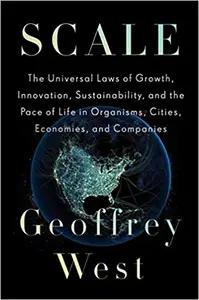
Scale
Geoffrey West
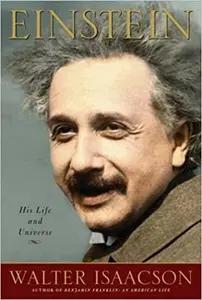
Einstein
Walter Isaacson
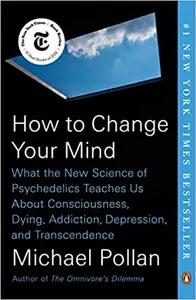
How to Change Your Mind
Michael Pollan

The Checklist Manifesto
Atul Gawande

When Breath Becomes Air
Paul Kalanithi
Behave
Robert Sapolsky
Who We Are and How We Got Here
David Reich
Genome
Matt Ridley
The Beginning Of Infinity
David Deutsch

The Origin of Consciousness in the Breakdown of the Bicameral Mind
Julian Jaynes
The Pleasure of Finding Things Out
Richard P. Feynman
The Selfish Gene
Richard Dawkins
The Structure of Scientific Revolutions
Thomas Kuhn

I Contain Multitudes
Ed Yong

If The Universe Is Teeming With Aliens...Where Is Everybody?
Stephen Webb

Living Within Limits
Garrett Hardin
Moonwalking with Einstein
Joshua Foer
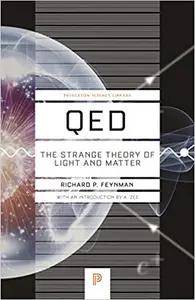
QED
Richard Feynman
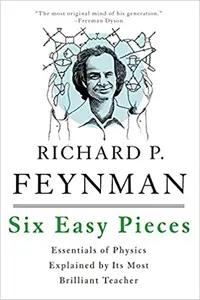
Six Easy Pieces
Richard P. Feynman
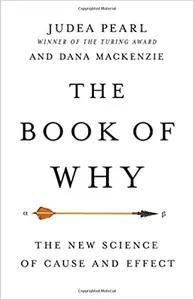
The Book of Why
Judea Pearl
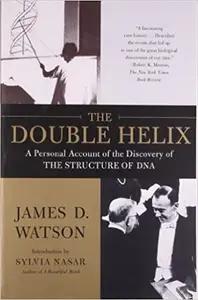
The Double Helix
James D. Watson Ph.D.
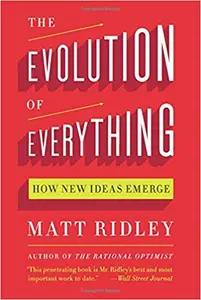
The Evolution of Everything
Matt Ridley

The Gene
Siddhartha Mukherjee
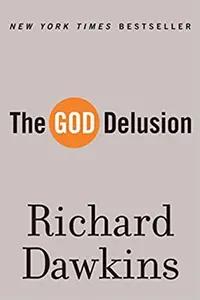
The God Delusion
Richard Dawkins

The Precipice
Toby Ord
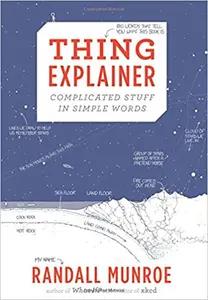
Thing Explainer
Randall Munroe

What Do You Care What Other People Think?
Richard P. Feynman

100 Plus
Sonia Arrison
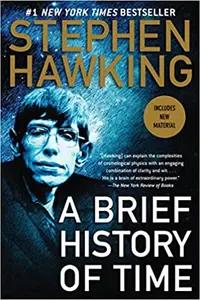
A Brief History of Time
Stephen Hawking
A Cultural History of Physics
Karoly Simonyi
Popular Books Recommended by Great Minds 📚
Sapiens
Yuval Noah Harari

The Hard Thing About Hard Things
Ben Horowitz
Zero to One
Peter Thiel
High Output Management
Andrew Grove

Principles
Ray Dalio

Shoe Dog
Phil Knight

Snow Crash
Neal Stephenson

Meditations
Marcus Aurelius
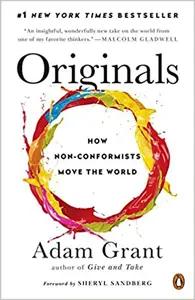
Originals
Adam Grant

Poor Charlie's Almanack
Charlie Munger
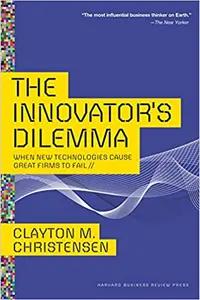
The Innovators Dilemma
Clayton Christensen
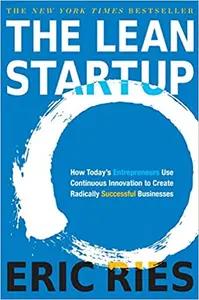
The Lean Startup
Eric Reis
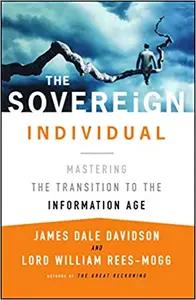
The Sovereign Individual
James Dale Davidson & William Rees-Mogg

High Growth Handbook
Elad Gil
Influence
Robert Cialdini
Principles for Dealing With The Changing World Order
Ray Dalio

Rework
Jason Fried
Surely You're Joking Mr. Feynman
Richard Feynman

The Ride of a Lifetime
Bob Iger
The Three Body Problem
Cixin Liu
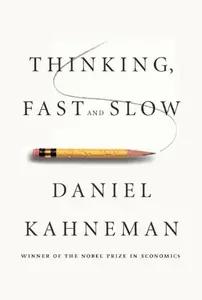
Thinking, Fast and Slow
Daniel Kahneman

7 Powers
Hamilton Helmer

Antifragile
Nassim Nicholas Taleb

Atlas Shrugged
Ayn Rand

Blitzscaling
Reid Hoffman

Dune
Frank Herbert

Foundation
Isaac Asimov
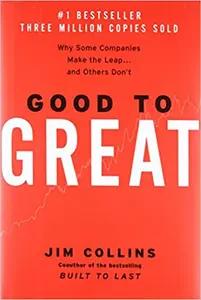
Good To Great
Jim Collins
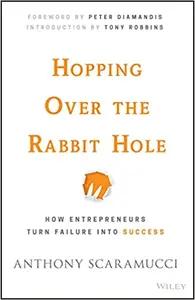
Hopping Over The Rabbit Hole
Anthony Scaramucci

Man's Search for Meaning
Viktor Frankl